







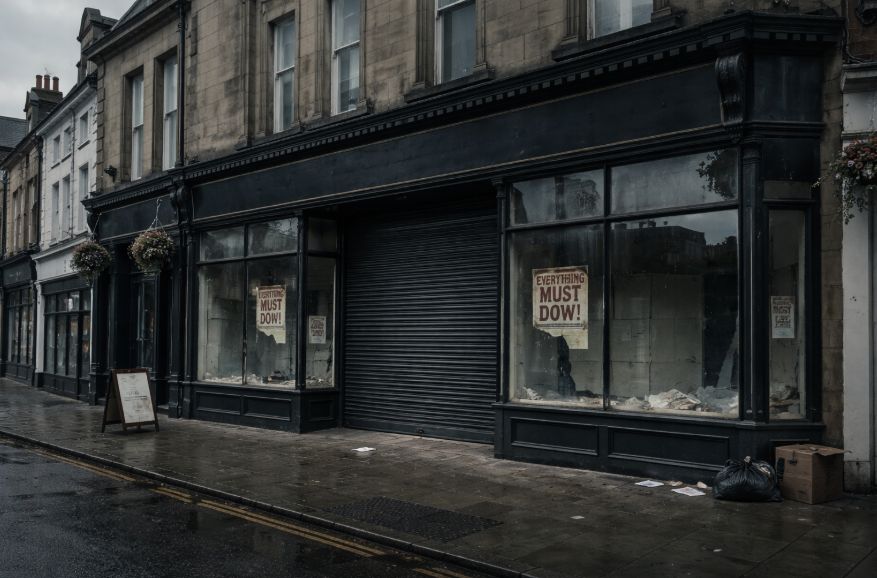
Once a cherished name on the British high street, Beales department store has become yet another casualty in the ongoing retail crisis gripping the UK. With a rich heritage dating back to 1881, the brand was a familiar fixture in town centres, known for offering everything from homeware and fashion to cosmetics and gifts. However, the recent closure of Beales stores across the UK has left consumers, employees, and retail experts questioning what went wrong. Why did such a long-standing institution falter? And what does this mean for the future of department stores in Britain?
This blog explores the many reasons behind the Beales department store closure in the UK, unpacking the financial, operational, and industry-wide factors that contributed to its downfall. It also looks at the implications for high street retail and whether there’s any hope for the Beales brand to re-emerge in a transformed retail landscape.
What Factors Triggered the Financial Decline of Beales?
 Beales’ financial struggles didn’t happen overnight. Like many traditional retailers, the company faced challenges long before it entered administration. Shifts in consumer behaviour were one of the first warning signs. British shoppers increasingly turned to online platforms for their purchases, drawn by convenience, broader product selections, and often cheaper prices.
Beales was slow to react. While competitors were investing in e-commerce infrastructure and digital experiences, Beales maintained a heavy focus on its physical stores. This created a major gap in its ability to compete with more agile retailers, especially during critical shopping seasons.
At the same time, rising business rates, increasing rent, and operational costs made it difficult for Beales to maintain profitability. Without a significant online revenue stream to offset in-store losses, the brand found itself trapped in a business model that no longer matched modern consumer expectations.
How Did the UK’s Changing Retail Landscape Accelerate Beales’ Closure?
The collapse of Beales reflects broader challenges that have plagued the UK’s retail industry for over a decade. With the rise of e-commerce and shifting consumer priorities, many high street brands have struggled to remain relevant.
Town centres across the UK have witnessed a decline in foot traffic, leading to the downfall of legacy stores like BHS, Debenhams, and now Beales. This trend has been further accelerated by economic uncertainty, including Brexit-related challenges, inflation, and a cost of living crisis affecting consumer spending.
Additionally, discount retailers and fast fashion chains put enormous pressure on department stores, forcing them to cut prices to stay competitive. Beales, lacking both scale and a strong online presence, couldn’t afford to keep up. While the company tried to modernise select stores and trial new store formats, these efforts came too late to reverse the tide.
Why Did Beales Enter Administration in 2020?
In early 2020, Beales officially entered administration after months of attempting to restructure its operations. The announcement affected around 1,000 employees and 23 stores across the UK.
The immediate cause of administration was a significant cash flow crisis. Despite several cost-cutting initiatives including store closures and renegotiated lease agreements the company was unable to raise the capital it needed to continue trading. Attempts to find a buyer were unsuccessful.
A key issue highlighted in administration reports was the unsustainable rent levels on many of Beales’ premises. Landlords were reportedly unwilling to reduce rents, despite the declining performance of the stores. Combined with mounting supplier debts and limited investment opportunities, the business was no longer viable.
How Did Employees and Shoppers React to the Beales Closure?
 The news of the Beales closure sparked disappointment and frustration across many communities. For employees, the announcement came as a devastating blow. Some had worked with the company for over 20 years and had developed deep-rooted ties with their teams and customers.
Customer sentiment was also mixed. Many loyal shoppers took to Google Reviews and local news forums to express their sadness about losing a trusted department store that had been part of their town’s identity for generations. At the same time, some acknowledged that Beales had struggled to evolve, with outdated stock and a shopping experience that didn’t reflect modern retail standards.
Overall, the response underscored a sense of loss not just for a store, but for the fading tradition of department store culture in Britain.
What Were Beales’ Last Efforts to Stay Afloat?
Before closing its doors, Beales made several attempts to turn the business around. These efforts included store refurbishments, modernising the in-store layout, and partnering with local suppliers to diversify the product range.
The company also relaunched its online presence in a bid to attract digital shoppers. While this marked a positive shift, the investment came too late to compete with more established e-commerce players. The online platform lacked the functionality and reach needed to significantly impact overall sales.
In a final move, CEO Tony Brown, who led a management buyout, attempted to rescue the business by reopening a few select stores, including the flagship in Bournemouth. These reopened stores focused on community engagement and personalised service, aiming to reinvent Beales as a modern retailer with local roots. Unfortunately, despite initial interest, these efforts were short-lived.
What Does Beales’ Collapse Tell Us About the Future of UK Department Stores?
Beales is far from the only department store to face challenges in recent years. Its story aligns with other UK retail collapses, revealing a clear pattern: the traditional department store model is under severe pressure.
Today’s consumers expect more than just a place to shop. They want experiences, seamless technology integration, and ethical, value-driven offerings. Department stores must evolve from large product warehouses into dynamic, customer-focused environments.
Beales’ failure to innovate quickly enough serves as a warning to others. In the digital age, heritage alone isn’t enough to guarantee success. Retailers must be agile, customer-centric, and digitally savvy if they want to survive in the years to come.
Is There Any Future for Beales in the UK?
 Following administration, a handful of Beales stores reopened under new ownership in 2020. Led again by Tony Brown, these stores aimed to operate on a leaner, more flexible business model, focusing on lower rents and stronger community integration.
One such store in Bournemouth reopened with the hope of rebuilding customer loyalty and exploring a different kind of department store experience one that was more local, less corporate, and better tailored to modern shoppers. However, reports in 2024 suggested renewed struggles, casting doubt on whether the brand could maintain momentum in an increasingly tough retail environment.
Unless significant reinvention occurs, including investments in technology and unique customer experiences, Beales’ long-term return to the high street remains uncertain.
Which UK Towns Were Most Affected by Beales Closures?
The closure of Beales stores had a substantial impact on several towns, especially in regions where the store served as a major retail anchor. These closures not only led to job losses but also contributed to a decline in high street vitality.
| Location | Closure Date | Impact |
| Bournemouth | 2020 (Reopened briefly) | Reduced footfall, economic concerns |
| Southport | 2020 | Loss of key retail presence |
| Peterborough | 2020 | Rise in commercial vacancy rates |
| Mansfield | 2020 | Local job losses and footfall drop |
| Poole | 2021 | Community backlash, limited revival |
For many of these communities, the closure of Beales was not just a business decision it represented a broader decline in local commerce and retail identity.
Conclusion
Beales’ collapse was not the result of a single failure but rather a culmination of outdated business practices, slow adaptation, and a changing economic landscape. It stands as a clear example of what happens when traditional retailers fail to evolve alongside their customers.
If department stores in the UK are to survive, they must do more than simply sell products they must offer experiences, convenience, and purpose. Digital transformation, flexible operations, and a deep understanding of modern consumer expectations will be essential going forward.
Beales may still exist in limited form, but its widespread closure has already marked a turning point in British retail history.
FAQs
Why did Beales department stores shut down?
Beales closed due to poor financial performance, high operating costs, and a delayed shift to online retail, which left it unable to compete in a changing market.
Are any Beales stores still open today?
A few Beales stores were reopened in 2020 under new ownership, including one in Bournemouth, but their long-term sustainability is uncertain.
What made Beales different from other department stores?
Beales was known for its regional presence, personalised service, and wide product range, particularly in southern England. However, it lacked digital innovation.
Could Beales have survived with better online investment?
Possibly. Had Beales invested earlier and more significantly in e-commerce, it might have remained competitive. However, internal and market challenges limited such moves.
Who owns Beales now?
After entering administration in 2020, the brand was acquired by Tony Brown, its former CEO, who attempted a scaled-down relaunch of selected stores.
How did local communities respond to Beales’ closure?
Reactions were largely emotional and negative, with many seeing it as the loss of a local institution. Some towns also suffered economically due to the closures.
What does the Beales case mean for other department stores?
It highlights the urgency for transformation. Legacy retailers must embrace innovation, digitisation, and customer experience or risk fading away.