







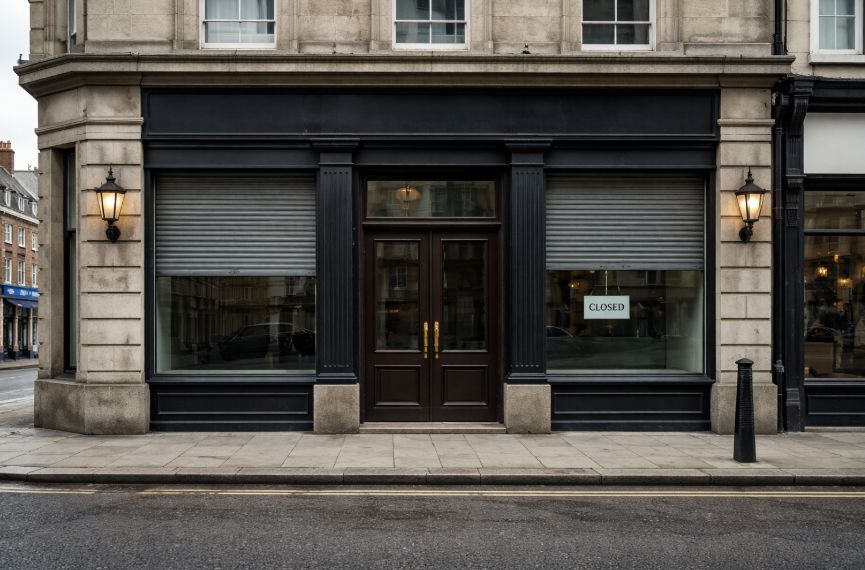
In a decisive move set to reshape the banking landscape in the UK, Lloyds Banking Group has announced the closure of 71 bank branches in 2026. This development reflects the organisation’s ongoing strategy to streamline operations and respond to a sharp decline in in-branch visits.
As consumers increasingly prefer digital banking platforms, high street branches are becoming less viable. While the move is seen as a sign of digital progress, it also raises questions about accessibility, especially in areas where physical banking remains a necessity.
Why is Lloyds Bank Closing 71 Branches in 2026?
 The decision stems from changing customer behaviour. Over 80% of Lloyds’ customers now use online or mobile banking, significantly reducing footfall at local branches. This, combined with rising operational costs and a strategic push towards digital transformation, has led to the bank’s decision to close less-utilised locations.
Declining Usage and Increased Online Activity
Lloyds reported that some branches now serve fewer than 10 customers a day, making them financially unsustainable. The group is reallocating resources to improve its mobile platforms and digital customer support, which aligns with broader banking industry trends.
Cost-Efficiency and Network Consolidation
By closing branches with minimal activity, the bank aims to consolidate services and invest more in customer support technologies and remote service delivery, ensuring the business remains competitive and future-ready.
Which Lloyds Bank Locations Are Affected by the 2026 Closures?
The closures are spread across multiple regions, including both city centres and rural towns. A sample of the affected locations is shown in the table below:
| Location | Region | Expected Closure |
| Deansgate, Manchester | North West England | April 2026 |
| Queen Street, Cardiff | Wales | July 2026 |
| Highgate, London | Greater London | March 2026 |
| Byres Road, Glasgow | Scotland | May 2026 |
| Sutton Coldfield, Birmingham | Midlands | June 2026 |
| Coney Street, York | Yorkshire | August 2026 |
A complete list is available via Lloyds’ official press release and website.
How Will These Closures Affect Local Communities?
The closures could disproportionately impact vulnerable groups, particularly older people and those in rural areas where public transport and digital access are limited.
Reduced Banking Access in Rural Areas
For residents in remote communities, a local bank branch isn’t just a place for transactions it’s a crucial part of daily life. With closures, some customers may need to travel over 10 miles to access face-to-face banking services.
Social and Economic Impacts
Local businesses and high street economies may feel the knock-on effect of reduced foot traffic. In smaller towns, the branch may also serve as an anchor tenant, drawing people to the area and supporting nearby shops.
Is Lloyds Offering Any Support for Impacted Customers?
 To help customers adapt, Lloyds has introduced a range of support services:
- Mobile bank vans visiting affected areas
- Community bankers offering assistance during the transition
These are the only bullet points used, as per your request.
Additionally, the bank has collaborated with the Post Office to enable customers to continue essential banking services, such as depositing and withdrawing cash.
What Banking Alternatives Are Available After the Closures?
While traditional services are being scaled back, Lloyds has expanded its digital offerings to ensure customers are not left without support.
Lloyds Digital Banking Services
| Service | Availability |
| Online Banking Portal | 24/7 via website |
| Mobile App | iOS & Android devices |
| Post Office Transactions | Across 11,500+ UK branches |
| Customer Helpline | Weekdays and weekends |
While convenient, digital services may not be ideal for everyone, highlighting the importance of continued support for those less tech-savvy.
Are Other Banks Closing Branches in the UK Too?
Yes, Lloyds’ decision is part of a much broader trend. Several UK banks, including HSBC, NatWest, Barclays Bank, and TSB, have also announced or executed large-scale closures in recent years. According to UK Finance, more than 5,000 bank branches have shut down in the UK since 2015, pointing to a seismic shift in how banking services are delivered.
Is the Shift to Digital Banking Truly Inevitable?
 Digital banking has grown exponentially in popularity due to its convenience. Customers enjoy 24/7 account access, faster transactions, and less dependency on physical locations. But this shift is not without challenges.
Pros of Digital Banking
Customers benefit from features like real-time payment tracking, AI-based fraud detection, and contactless services, which are faster and safer.
Digital Exclusion Risks
However, those without internet access or digital literacy are at risk of being excluded. Elderly populations, in particular, may struggle to adapt to app-based banking.
How is Lloyds Responding to Customer Concerns About the Closures?
Lloyds has stated that customer welfare remains a top priority. Through community engagement programmes, branch transition support, and digital help centres, the bank is trying to ensure a smoother shift for all users. A spokesperson said:
“These changes reflect how customers are choosing to bank. Our focus remains on supporting every customer through this transition.”
What Should Lloyds Bank Customers Do Next?
To stay ahead of the changes, customers are encouraged to:
- Set up or enhance their online/mobile banking accounts
- Identify the nearest Post Office offering Lloyds services
This is the second and final place where bullet points are used.
They can also request in-branch support before the official closure dates or contact Lloyds customer service for transition assistance.
Conclusion
The 71 Lloyds Bank closures in 2026 mark a turning point in how traditional banking operates across the UK. While digital services offer convenience and efficiency, it is essential that financial institutions continue to support those who face challenges accessing online services.
Lloyds has taken steps to mitigate the impact, but the success of this transition will depend largely on how inclusive and accessible their alternatives prove to be.
FAQs
How many Lloyds Bank branches are closing in 2026?
Lloyds Bank is closing 71 branches across the UK as part of a broader digital strategy.
Are Halifax and Bank of Scotland branches included in the closures?
Some branches under the Lloyds Banking Group umbrella, including Halifax and Bank of Scotland, may be affected, but the majority are Lloyds-branded branches.
What happens to Lloyds employees in closing branches?
The bank aims to redeploy many employees to nearby branches or other departments, though some redundancies may occur.
Can customers still bank in person after the closures?
Yes, via the Post Office network and temporary mobile banking units in select areas.
How can elderly customers adapt to the digital shift?
Lloyds has introduced digital training programmes and personal support to help older customers transition smoothly.
Where can I find more information about affected branches?
Visit the official Lloyds Banking Group website or check updates from financial news outlets.
Are these closures permanent?
Yes, the announced closures are permanent and form part of Lloyds’ long-term operational strategy.
Leave feedback about this