







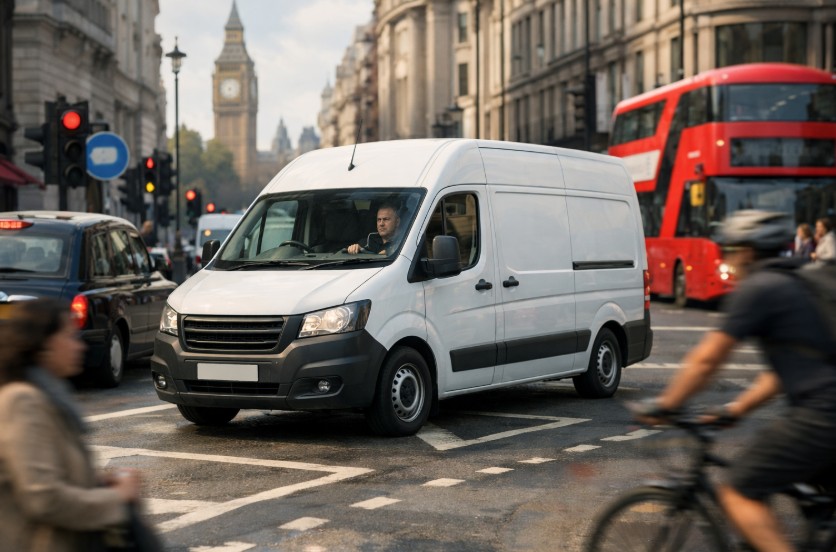
In London, “normal” operations include congestion, strict road rules, and customers who expect precision despite both. For businesses that depend on vehicles, from service engineers and installers to delivery teams and mobile contractors, every working day involves navigating constraints that go far beyond distance alone.
Vehicle-dependent work in the capital has become an operational discipline rather than a transport function. Success depends on planning, timing, and reliability under pressure. This article focuses on the business realities of keeping operations moving in a city where delays are built into the environment.
London Turns Time Into A Cost Centre

Unreliable journey times quietly create hidden costs. Missed delivery slots, extended job times, and last-minute rescheduling all chip away at margins. What feels like a small delay quickly multiplies across a full day of appointments.
Over time, overtime rises, follow-up work stacks up, and customer satisfaction suffers. These small inefficiencies add up to significant operational drag, turning time itself into a cost that’s hard to control without deliberate planning.
When Vehicles Become The Backbone Of Service Delivery?
For many businesses, vehicles act as moving workstations, carrying tools, stock, staff, and customer commitments across the city. When the wheels stop turning, it’s not just transport that breaks down.
Customer trust erodes, cash flow becomes unpredictable, and team morale suffers. To create clearer coordination across vehicles, jobs, and timing, some London businesses introduce vehicle tracking as part of bringing structure to complex, vehicle-led operations.
Telematics, Explained Without The Tech-Speak
Telematics supports operations rather than surveillance. Used practically, it helps businesses understand timing issues, usage patterns, and avoidable downtime. In a congested city, this insight supports better planning, allowing teams to anticipate problems earlier instead of reacting once delays have already compounded.
Compliance Pressure That Quietly Shapes Daily Routes

Beyond the congestion itself, road charges and limitations influence how routes are planned and valued. When managing potential costs and delivery windows, you need to appreciate the rules and hours of operation under the Congestion Charge.
For businesses dependent on vehicles, whether or not to adhere to the rules becomes intrinsic to how you plan and cost routes, factor time into your schedules, and make commitments to customers.
Cutting Waste Without Asking Teams To “Just Work Harder”
There is rarely a scenario where reducing costs means pushing staff harder. It’s usually about ensuring consistency. Optimising job sequencing, eliminating dead mileage, and unnecessary manual overrides reclaim waste without sacrificing significant time and stress.
Vehicle businesses can embed this into good operational practices, alongside driver technology, to save fuel at work and achieve the same cost-control outcome while reducing staff stress.
Reliability Also Means Responsibility
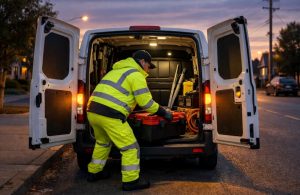
Operational stability is intrinsically linked to the duty of care your business has for your staff. Fatigue, rushing, and unnecessary risk occur when humans function under duress all the time. Safely delivering a service to the customer is part of your job, not a separate discipline in its own right.
Adopting sound risk policies around driving helps your business protect your people while continuing to serve your customers in a highly dynamic city like London.
Leave feedback about this