







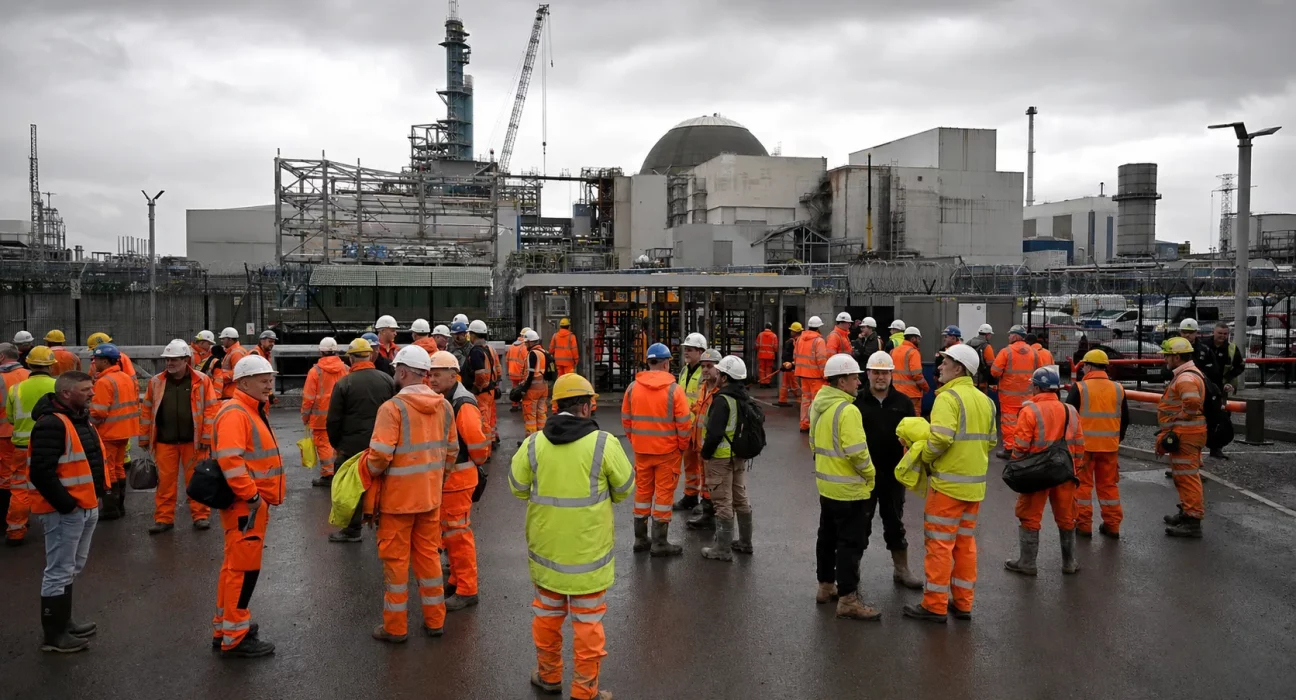
A major industrial dispute has emerged at one of Britain’s most important nuclear sites, with approximately 2,000 construction workers preparing to walk out over a disagreement concerning pay and a proposed site allowance. The planned Sellafield construction strike in June 2026 has attracted attention across the construction, energy, and infrastructure sectors due to the strategic importance of the site and the scale of the workforce involved.
While industrial disputes are not uncommon within major infrastructure projects, the Sellafield strike highlights wider concerns about workforce recognition, specialist skills, recruitment challenges, and pay expectations in highly regulated industries. The outcome of the dispute could have implications beyond West Cumbria, potentially influencing future negotiations across the UK’s nuclear and construction sectors.
Understanding the reasons behind the strike, the arguments being put forward by workers and union representatives, and the potential impact on projects and local communities provides valuable insight into one of the most significant construction-sector disputes of 2026.
Key Takeaways
- 2,000 Sellafield construction workers are striking over pay and a proposed site allowance.
- The dispute is focused on compensation for working in a highly regulated nuclear environment.
- Unite the Union is backing workers’ demands for additional pay recognition.
- The strike could disrupt construction and infrastructure projects at Sellafield.
- Core nuclear safety and operational activities are expected to continue.
- Sellafield is a key part of the UK’s nuclear decommissioning programme.
- The dispute highlights wider issues around skills shortages and workforce retention in construction.
- The outcome may influence future pay negotiations across major UK infrastructure projects.
- Ongoing negotiations will determine whether a settlement can be reached.
- The resolution could have long-term implications for the UK nuclear and construction sectors.
What Is the Sellafield Construction Strike?
The Sellafield construction strike centres on a dispute between construction workers and employers regarding additional compensation for those working on projects at the nuclear site. The industrial action involves workers employed through a range of contractors and subcontractors responsible for delivering construction, engineering, and infrastructure projects across the facility.
At the heart of the disagreement is a demand for a dedicated site allowance. Workers argue that the unique conditions associated with operating within a nuclear environment justify additional compensation beyond existing pay arrangements. According to union representatives, employees working at Sellafield face requirements and responsibilities that differ significantly from those encountered on many conventional construction projects.
The dispute developed following negotiations over pay and allowances, with workers expressing frustration that their concerns had not been adequately addressed. As discussions failed to produce a mutually acceptable outcome, industrial action emerged as the next step in the dispute resolution process.
The planned walkout reflects broader tensions that have emerged across several sectors in recent years, where employees are increasingly seeking compensation packages that better reflect specialist skills, rising living costs, and challenging working environments.
Understanding Sellafield: Why the Site Matters to the UK Nuclear Industry
To understand why the strike has attracted national attention, it is important to appreciate the significance of Sellafield within the UK’s nuclear landscape.
Located on the Cumbrian coast, Sellafield is one of the most complex nuclear sites in the world. The facility plays a critical role in managing the legacy of Britain’s nuclear industry, including the safe handling of radioactive materials, waste management, environmental remediation, and the decommissioning of historic nuclear facilities.
Over several decades, Sellafield has evolved from a centre of nuclear fuel production and reprocessing into a site primarily focused on clean-up and decommissioning activities. These responsibilities are expected to continue for many decades, making Sellafield one of the largest and longest-running infrastructure and environmental projects in Europe.
The site supports thousands of jobs directly and indirectly. Construction workers, engineers, project managers, safety specialists, and technical professionals all contribute to the ongoing programme of work. The scale and complexity of operations require a highly skilled workforce capable of working within some of the strictest safety and regulatory frameworks in the country.
Because of its national importance, any disruption affecting construction activities at Sellafield is closely monitored by government bodies, industry stakeholders, contractors, and local businesses.
Why Are Workers Demanding a Sellafield Site Allowance?
The central issue in the dispute is the proposed site allowance.
A site allowance is an additional payment designed to recognise particular working conditions associated with a specific location. Such allowances are often discussed when employees work in remote areas, high-security environments, technically demanding settings, or locations requiring additional qualifications and compliance procedures.
Workers involved in the Sellafield dispute argue that the nuclear site presents several unique challenges that justify additional compensation. Before entering work areas, personnel must comply with extensive security procedures and safety requirements. Many roles require specialist training, certifications, and ongoing competency assessments. Construction activities frequently take place in environments where strict regulatory controls govern every aspect of planning and execution.
Supporters of the allowance argue that these requirements place additional demands on workers compared with standard commercial construction projects. They also contend that attracting and retaining highly skilled personnel will become increasingly difficult if compensation packages fail to reflect the specialist nature of the work.
The debate over site allowances is not unique to Sellafield. Similar discussions have occurred across major infrastructure projects involving energy facilities, transportation networks, offshore installations, and other strategically important sites where workers operate under exceptional conditions.
Who Is Taking Part in the Industrial Action?
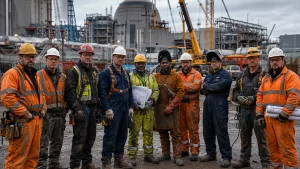
The planned industrial action involves a broad cross-section of the construction workforce operating at Sellafield.
Among those expected to participate are electricians, welders, pipefitters, riggers, mechanical technicians, construction operatives, and other skilled tradespeople. These workers contribute to a wide range of projects designed to support decommissioning programmes, infrastructure upgrades, facility maintenance, and long-term site development.
The involvement of approximately 2,000 workers makes the action particularly significant. Large-scale participation can create substantial challenges for project scheduling and workforce planning, particularly on complex programmes where multiple contractors and specialist teams must coordinate their activities.
Unlike disputes limited to a single contractor or trade, this action has the potential to affect numerous projects simultaneously, increasing the visibility and potential impact of the dispute.
What Is Unite the Union Saying About the Dispute?
Unite has played a prominent role in supporting workers involved in the dispute. The union argues that employees working at Sellafield deserve recognition for the specialist nature of their roles and the demands associated with working within a nuclear environment.
According to union representatives, the proposed site allowance is intended to reflect factors that go beyond standard construction work. They have highlighted concerns surrounding workforce recruitment, retention, and recognition, arguing that workers performing highly skilled tasks should receive compensation that reflects the realities of the site.
The union has also stressed the importance of continued dialogue and negotiation. While industrial action represents a significant escalation, trade unions generally view strikes as a means of encouraging meaningful engagement rather than an end in themselves.
The position adopted by Unite reflects wider debates occurring throughout the construction industry regarding skills shortages, workforce mobility, and the growing competition for experienced personnel.
How Could the Strike Affect Ongoing Construction Projects at Sellafield?
The most immediate consequence of the strike is the possibility of disruption to ongoing construction and infrastructure projects.
Large-scale construction programmes rely heavily on workforce availability and coordination. Even short periods of industrial action can affect project sequencing, resource allocation, and delivery schedules. Where specialist trades are involved, replacing absent workers at short notice may prove difficult due to the technical requirements associated with the roles.
Delays affecting one area of work can also create knock-on effects elsewhere. Construction programmes often involve interconnected activities where progress in one stage depends upon the completion of another. As a result, even temporary disruptions can influence wider project timelines.
Contractors may face additional costs associated with rescheduling work, managing programme changes, and implementing contingency measures. Depending on the duration of the dispute, there could also be implications for procurement schedules and supplier arrangements.
However, it is important to note that construction projects represent only one component of the wider Sellafield operation. The site’s core mission relating to nuclear safety, waste management, and environmental protection remains governed by stringent operational and regulatory requirements.
What Could the Dispute Mean for West Cumbria’s Economy?
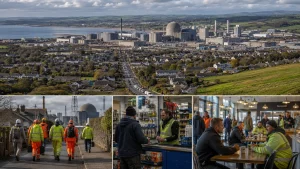
Sellafield is one of the most significant employers in West Cumbria, and its influence extends far beyond the site itself.
A vast network of local businesses depends directly or indirectly on activity associated with the facility. Engineering firms, transport providers, accommodation operators, equipment suppliers, training organisations, and professional service companies all benefit from the economic activity generated by Sellafield’s long-term programmes.
Although a short-term strike may not create lasting economic damage, prolonged disruption could have wider consequences. Delays to major projects can affect supply chains, contractor workloads, and future investment planning.
For many communities in the region, Sellafield remains a vital source of employment and economic stability. Consequently, developments affecting the site are often closely followed by local businesses and residents alike.
What Does the Strike Reveal About Labour Challenges in the UK Construction Sector?
The Sellafield dispute highlights broader challenges facing the UK construction industry.
Many major infrastructure projects are competing for a limited pool of highly skilled workers. As demand for specialist expertise increases, employers face growing pressure to offer competitive compensation packages capable of attracting and retaining experienced personnel.
At the same time, large-scale investments in energy, transport, defence, and environmental infrastructure are creating sustained demand for skilled labour. This environment has intensified discussions around wages, allowances, working conditions, and career development opportunities.
The dispute at Sellafield reflects a wider trend in which workers seek greater recognition for specialist skills and the additional responsibilities associated with complex projects.
For employers, balancing workforce expectations against project budgets remains a significant challenge. The outcome of negotiations at Sellafield may therefore be watched closely across the wider construction and infrastructure sectors.
How Could the Sellafield Strike Influence Future Nuclear Projects?
The nuclear industry depends heavily on long-term workforce planning. Major projects often require specialist skills that take years to develop, making recruitment and retention particularly important.
If the dispute results in changes to compensation structures, other major projects may examine the implications for their own workforce arrangements. Employers, contractors, and unions could use the outcome as a reference point when negotiating future agreements.
The dispute may also encourage wider discussions regarding how specialist environments should be recognised within pay frameworks. As the UK continues investing in energy infrastructure and nuclear-related projects, workforce considerations are likely to remain a key area of focus.
For policymakers and industry leaders, the strike serves as a reminder that successful project delivery depends not only on funding and technical expertise but also on maintaining positive relationships with the workforce.
Real-World Example: Why Site Allowances Often Become a Key Negotiation Issue?
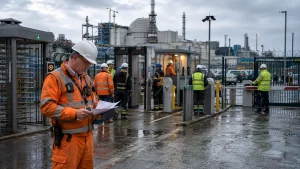
Consider a skilled welder with the option of working on two different projects.
One project involves a conventional commercial development where site access procedures are relatively straightforward and compliance requirements follow standard industry practices.
The second project is located within a highly regulated nuclear environment where additional security clearances, specialist training, safety monitoring, and procedural controls are required before work can begin.
Although the core welding skills remain the same, the overall demands placed upon the worker differ considerably. This is often the basis upon which site allowances are discussed and negotiated.
The example illustrates why employers and workers sometimes reach different conclusions regarding how specialist environments should be reflected within compensation packages.
What Happens Next in the Sellafield Construction Strike?
The coming weeks will be crucial for all parties involved.
Negotiations remain the most likely route towards resolving the dispute. Employers, contractors, union representatives, and workers all have a strong interest in finding a solution that protects both project delivery and workforce satisfaction.
Several outcomes remain possible. Discussions could result in a revised allowance proposal, an alternative compensation package, or a broader agreement covering multiple workforce concerns. Equally, if progress proves difficult, further industrial action may be considered.
Industry observers will also be watching for signs of how the dispute influences future labour relations within the nuclear and construction sectors. The resolution may provide valuable lessons regarding workforce engagement, specialist pay arrangements, and dispute management on major infrastructure projects.
Whatever the outcome, the Sellafield construction strike has already become one of the most closely watched industrial disputes of 2026.
Conclusion
The Sellafield Construction Strike of June 2026 represents more than a disagreement over pay. It reflects wider questions about how specialist skills, challenging working environments, and workforce contributions should be recognised within modern infrastructure projects.
With approximately 2,000 workers preparing to take industrial action, the dispute has implications for project delivery, labour relations, and the future of workforce management across the UK’s construction and nuclear sectors.
As negotiations continue, stakeholders throughout the industry will be paying close attention to developments. The eventual resolution could shape future discussions surrounding pay, recruitment, retention, and workforce recognition for years to come.
FAQs
Why are construction workers striking at Sellafield?
Workers are seeking a site allowance that they believe would better reflect the specialist conditions and responsibilities associated with working within a nuclear environment.
How many workers are involved in the June 2026 strike?
Approximately 2,000 construction workers are expected to participate in the industrial action.
Does the dispute involve all Sellafield employees?
No. The dispute primarily concerns construction workers employed through contractors and subcontractors working on site projects.
What is a site allowance?
A site allowance is an additional payment provided to workers to recognise unique working conditions, specialist requirements, or challenging environments.
Could the strike delay construction projects?
Yes. Industrial action has the potential to affect project schedules, workforce availability, and programme delivery timelines.
Will nuclear safety operations stop because of the strike?
The dispute relates to construction activities. Core nuclear safety and operational functions are managed separately under strict regulatory oversight.
Why is Sellafield important to the UK?
Sellafield plays a critical role in nuclear decommissioning, radioactive waste management, environmental remediation, and long-term nuclear clean-up programmes.
Could this dispute influence other infrastructure projects?
Potentially. The outcome may be closely watched by employers, unions, and workers involved in other major UK infrastructure developments.