







BAE Pay Rise 2026: Key Facts at a Glance
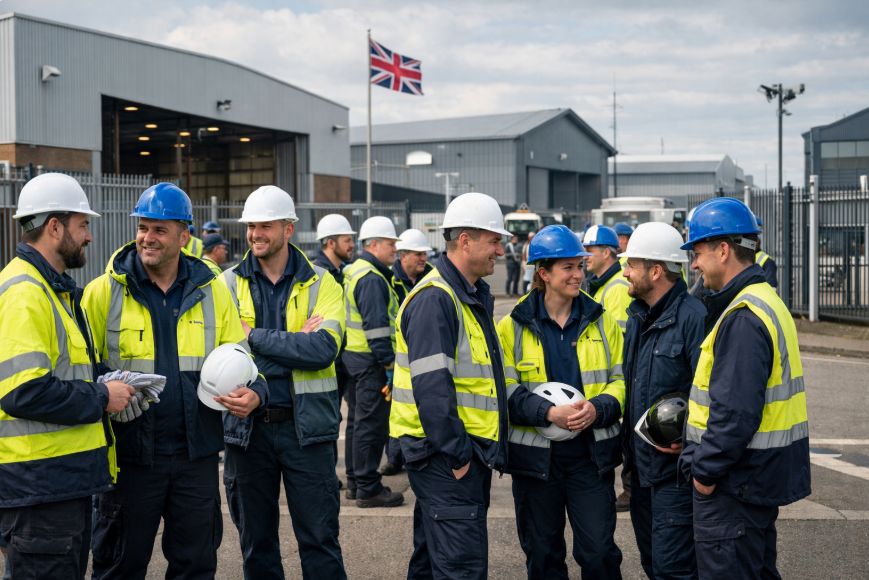
The BAE pay rise in 2026 follows a 48-hour strike involving more than 1,000 engineering and manufacturing workers across major UK sites. Negotiations between BAE Systems, Unite the Union, and GMB resulted in a 6% total pay increase, including backdated salary adjustments and a cost-of-living payment.
Approximately 6% salary rise across two phases during 2026.
4.8% increase applied from 1 January 2026.
Additional 1.2% salary increase scheduled for October 2026.
Workers receive a £500 cost-of-living payment.
Glascoed, Samlesbury, and Warton manufacturing facilities.
Agreement reached after strike action led by Unite and GMB.
Industry analysts say the BAE Systems pay settlement could influence wage negotiations across the UK aerospace and defence sector, where demand for skilled engineers continues to grow.
Industrial disputes across the UK manufacturing sector have become increasingly visible as workers respond to rising living costs and shifting labour expectations. In early 2026, a 48-hour strike involving more than 1,000 workers at BAE Systems became one of the most closely watched labour actions in the UK aerospace and defence industry.
Employees at key sites including Glascoed in South Wales and Samlesbury in Lancashire walked out after negotiations over pay stalled. Workers argued that salary increases had not kept pace with inflation and the strong financial performance of the company.
The dispute ended with a negotiated settlement delivering a total pay rise of around 6%, alongside a £500 one-off cost-of-living payment. For many observers, the deal represents more than a routine wage adjustment. It highlights a broader conversation about fair pay, workforce retention, and the future of industrial relations in the UK’s defence manufacturing sector.
Business analysts now suggest that this BAE pay rise agreement could set a precedent for wage negotiations across aerospace and defence companies in 2026, particularly as demand for skilled engineers continues to rise.
What Happened During the BAE Systems Strike?
 The industrial action occurred after months of negotiations between union representatives and management failed to produce an agreement acceptable to employees.
Workers represented by Unite the Union and the GMB union voted to strike, citing concerns that wage increases did not reflect both inflation pressures and the company’s profitability.
For two days, production activity slowed across several facilities as engineers, technicians, and manufacturing specialists joined picket lines.
Although the disruption was relatively short, the strike highlighted how important skilled labour is to the UK’s defence supply chain. BAE Systems plays a key role in manufacturing equipment and technologies that support the UK Armed Forces and international defence partnerships.
The strike ultimately served as a catalyst for renewed negotiations that produced the final pay settlement.
What Is Included in the BAE Systems 2026 Pay Settlement?
The agreement reached between unions and BAE Systems consists of multiple elements designed to provide both immediate financial relief and longer-term wage growth.
Immediate Salary Increases and Backpay
The first component of the deal is a 4.8% pay increase, backdated to 1 January 2026. This means employees will receive additional earnings reflecting the salary increase applied to earlier months of the year.
Backdating the increase ensures that workers benefit from the agreement even before the settlement was finalised.
For many employees, the backdated pay adjustment represents an important recognition of the value of their work during a period of economic pressure.
Phased Increases: What Happens in October?
In addition to the initial rise, the agreement includes a second pay adjustment scheduled for October 2026.
This additional increase of approximately 1.2% will bring the total annual pay rise to around 6%. In some locations, the second phase may vary slightly depending on the specific site-level agreements negotiated with union representatives.
This phased structure allows the company to manage costs while still delivering the overall increase negotiated during the dispute.
Pay Settlement Overview
| Component | Increase / Amount | Effective Date |
|---|---|---|
| Main Pay Rise | 4.8% | 1 January 2026 |
| Second Phase Increase | 1.2% | 1 October 2026 |
| One-off Cost-of-Living Payment | £500 | Immediate |
| Total Annual Pay Value | ~6% | Across 2026 |
Why Did GMB and Unite Push for Industrial Action?
Union representatives argued that industrial action became necessary when negotiations reached an impasse.
At the centre of the dispute was the gap between wage growth and the strong financial performance reported by BAE Systems in recent years.
The company has benefited from increased global defence spending, with operating profits reported at around £3.1 billion, driven by major international defence contracts and technological development programmes.
Union leaders argued that workers should receive a fair share of the success they help generate.
Sharon Graham, General Secretary of Unite, praised the workforce for their determination during the negotiations, saying:
Similarly, Ross Quinn, a Unite Regional Officer, highlighted the broader importance of collective bargaining.
From the union perspective, the dispute was not only about wages but also about recognising the expertise required to produce advanced defence systems.
How Does the Corporate Perspective Explain the Agreement?
 While the unions celebrated the outcome as a victory for workers, BAE Systems presented the settlement as part of its ongoing commitment to employees and operational stability.
A company spokesperson emphasised the importance of reaching a resolution that supports both workers and production continuity.
The company also highlighted that resolving the dispute quickly was important for maintaining the production schedules of major defence programmes.
For BAE Systems, the agreement allows operations to continue smoothly while maintaining positive relationships with skilled employees.
How Does the BAE Pay Rise Reflect Wider Industry Trends?
The aerospace and defence sector has experienced growing demand for skilled labour as governments increase defence spending.
The UK government’s investment in advanced military technologies has led to major programmes requiring specialised engineering talent.
As a result, companies across the industry are competing to attract and retain skilled workers.
The BAE pay rise agreement could influence upcoming negotiations at other major defence contractors, including companies involved in aerospace manufacturing and naval engineering.
Industry analysts believe that wage agreements at large employers often set informal benchmarks across the sector. If similar pay pressures emerge elsewhere, the BAE settlement may become a reference point in future negotiations.
Could This Deal Influence Pay Negotiations at Other Defence Companies?
One reason the agreement has attracted significant attention is its potential impact on the wider defence industry.
Companies such as Rolls-Royce and Babcock International also employ thousands of engineers and technicians across the UK.
When a major employer like BAE Systems reaches a significant pay settlement, it can influence expectations across the sector.
Possible effects include:
- stronger union bargaining positions in future negotiations
- increased attention to worker retention strategies
- adjustments to compensation packages in competitive labour markets
However, each company will still negotiate pay agreements based on its own financial position and operational priorities.
What Is Included in the BAE “Total Reward” Package?
 Salary increases are only one part of the compensation structure offered to employees.
Many BAE Systems workers benefit from a broader “total reward” package, which includes financial benefits, pensions, and long-term incentives.
Holiday and Pension Enhancements
Employees typically receive:
- 25 or more days of annual leave
- employer-supported pension contributions
- access to flexible benefits programmes
These benefits aim to support both financial stability and work-life balance for employees across the organisation.
Data-Driven Insight: Share Performance and Employee Value
BAE Systems’ financial performance has been reflected in its share price growth.
Over the past 12 months, the company’s stock has increased by approximately 12%, reflecting strong investor confidence driven by defence contracts and technological innovation.
Union leaders often point to such financial growth when arguing that workers should benefit from the company’s success.
What Does the BAE Pay Rise Mean for the Future of Industrial Relations?
The agreement reached after the strike highlights the continued importance of negotiation and dialogue between companies and labour representatives.
Industrial action can disrupt operations, but it can also lead to renewed discussions that produce mutually acceptable solutions.
For BAE Systems, resolving the dispute ensures that key manufacturing programmes continue without long-term disruption.
For workers, the settlement demonstrates that collective bargaining can lead to meaningful outcomes.
The broader lesson for the UK manufacturing sector may be that effective communication between employers and employees remains essential in an environment of economic change.
Conclusion
The BAE pay rise agreement shows how negotiations between workers and management can eventually lead to a balanced resolution.
While the strike highlighted tensions around wages and cost of living pressures, the final settlement provides meaningful pay growth and restores operational stability.
For the UK defence sector, the deal may represent an important moment in the evolution of labour relations.
As demand for skilled engineers continues to grow and defence investment expands, companies and employees alike will need to maintain open dialogue to ensure both competitive wages and stable industrial partnerships.
FAQs About the BAE Pay Rise
How much is the BAE pay rise in 2026?
The agreement provides a total pay increase of around 6%, including a 4.8% rise backdated to January 2026, a second increase later in the year, and a £500 one-off payment.
Which BAE sites were affected by the strike?
Workers at several major sites participated, particularly Glascoed, Samlesbury, and Warton, where production and engineering staff are heavily involved in defence manufacturing.
Who represents BAE Systems workers in negotiations?
Employees involved in the dispute were represented primarily by Unite the Union and the GMB union, both major trade unions in the UK manufacturing sector.
Why did workers demand higher pay?
Workers argued that salary growth had not kept pace with inflation and rising living costs, especially given the company’s strong financial performance.
Did the strike disrupt defence programmes?
The strike caused short-term disruption, but the quick resolution allowed the company to maintain production timelines for major defence projects.
Could other aerospace companies see similar strikes?
It is possible, particularly if workers in other companies believe wage growth does not reflect industry profitability or labour market demand.
Does the pay rise apply to all BAE employees?
The settlement mainly applies to specific unionised engineering and production roles, though the agreement may influence broader company pay reviews.
{ "@type": "Question", "name": "How much is the BAE pay rise in 2026?", "acceptedAnswer": { "@type": "Answer", "text": "The agreement provides a total pay increase of around 6%, including a 4.8% rise backdated to January 2026, a second increase later in the year, and a £500 one-off payment." } },
{ "@type": "Question", "name": "Which BAE sites were affected by the strike?", "acceptedAnswer": { "@type": "Answer", "text": "Workers at several major sites participated, particularly Glascoed, Samlesbury, and Warton, where production and engineering staff are heavily involved in defence manufacturing." } },
{ "@type": "Question", "name": "Who represents BAE Systems workers in negotiations?", "acceptedAnswer": { "@type": "Answer", "text": "Employees involved in the dispute were represented primarily by Unite the Union and the GMB union, both major trade unions in the UK manufacturing sector." } },
{ "@type": "Question", "name": "Why did workers demand higher pay?", "acceptedAnswer": { "@type": "Answer", "text": "Workers argued that salary growth had not kept pace with inflation and rising living costs, especially given the company’s strong financial performance." } },
{ "@type": "Question", "name": "Did the strike disrupt defence programmes?", "acceptedAnswer": { "@type": "Answer", "text": "The strike caused short-term disruption, but the quick resolution allowed the company to maintain production timelines for major defence projects." } },
{ "@type": "Question", "name": "Could other aerospace companies see similar strikes?", "acceptedAnswer": { "@type": "Answer", "text": "It is possible, particularly if workers in other companies believe wage growth does not reflect industry profitability or labour market demand." } },
{ "@type": "Question", "name": "Does the pay rise apply to all BAE employees?", "acceptedAnswer": { "@type": "Answer", "text": "The settlement mainly applies to specific unionised engineering and production roles, though the agreement may influence broader company pay reviews." } }
] }