







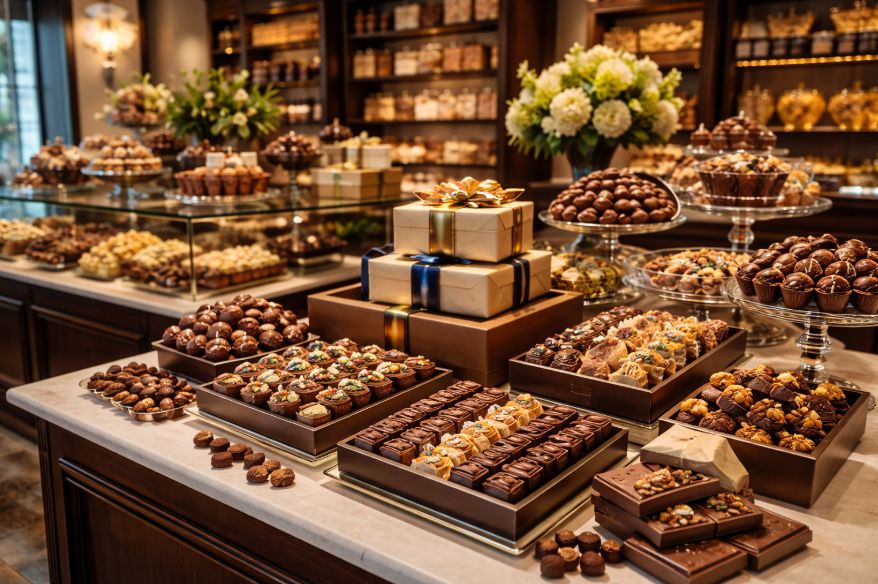
Is chocolate administration London becoming the latest signal of deeper trouble on the capital’s high streets? When respected names such as Rococo Chocolates faced financial distress in recent years, it highlighted a growing concern: Chocolate administration London is no longer an isolated event but part of a wider luxury retail recalibration.
For business owners, investors, and retail professionals across the UK, the issue is not simply about confectionery. It reflects broader pressures rising cocoa prices, inflation, energy costs, and shifting consumer behaviour. This article explores what is confirmed, what is sector-wide pressure, and what may be misunderstood in discussions around insolvency and restructuring in London’s premium chocolate market.
Why Is Chocolate Administration London Becoming More Common?
 London’s premium chocolate sector has traditionally benefited from tourism, gifting culture, and strong brand loyalty. However, confirmed economic data across the UK retail market shows increased insolvency rates in hospitality and non-essential retail over the past two years.
Rising Cocoa Prices and Global Supply Disruption
Cocoa prices reached historic highs in 2024 due to poor harvests in West Africa, geopolitical uncertainty, and climate-related crop issues. For luxury chocolate brands that rely on premium cocoa beans, this has directly impacted margins.
Unlike mass-market producers, artisanal chocolatiers often:
- Source ethically certified beans
- Maintain small-batch production
- Avoid artificial cost-cutting substitutes
These commitments strengthen brand reputation but reduce flexibility during commodity spikes.
Inflation, Energy Costs and High Street Pressures
Energy-intensive production processes tempering, refrigeration, climate-controlled storage mean chocolate businesses are particularly exposed to electricity and gas price increases.
At the same time:
- Commercial rent in central London remains high
- Business rates continue to challenge physical retailers
- Insurance and staffing costs have increased
This combination has accelerated insolvency risk for businesses with narrow profit margins.
Commercial Rent and Business Rates in London
Despite some landlord concessions during the pandemic, many lease agreements reverted to pre-pandemic levels. For boutique chocolate retailers operating in areas such as Mayfair, Covent Garden, or Chelsea, fixed property costs represent a significant burden.
Changing Consumer Spending Patterns
The UK cost-of-living crisis has reshaped discretionary spending. While luxury chocolate remains popular as a gift item, everyday impulse purchases have declined.
Consumers are:
- Trading down to supermarket premium ranges
- Reducing non-essential luxury spending
- Prioritising experiences over physical gifting
Top 5 Financial Pressures Driving Insolvency
- Record-high cocoa commodity prices
- Elevated energy and utility bills
- Commercial rent and business rate obligations
- Reduced tourist footfall in certain districts
- Increased competition from supermarket luxury brands
These are confirmed sector-wide pressures. However, not every chocolate brand is failing. Many are restructuring strategically rather than collapsing.
What Does Administration Actually Mean for a London Chocolate Business?
There is often confusion around the term “administration.” It does not automatically mean closure.
In UK law, administration is a formal insolvency process designed to:
- Protect the company from creditors
- Attempt rescue or restructuring
- Achieve better returns than immediate liquidation
The Legal Process Explained in Simple Terms
Once administrators are appointed:
- Control shifts from directors to licensed insolvency practitioners
- The company receives temporary protection from creditor action
- A restructuring or sale strategy is explored
What Happens to Employees?
Employees may:
- Continue working under administration
- Be transferred if the business is sold
- Face redundancy if restructuring fails
Each case differs depending on financial viability.
How Are Creditors and Suppliers Affected?
Suppliers may experience:
- Delayed payments
- Partial repayment
- Contract renegotiation
Clear communication during this stage is critical.
Can a Luxury Chocolate Brand Survive Administration?
Yes. Several UK retailers have entered administration and successfully restructured through:
- Pre-pack sales
- Investment buyouts
- Store rationalisation
Administration is often a restructuring tool rather than a final outcome.
Administration vs Liquidation vs CVA
| Process | Purpose | Outcome | Business Continues? |
| Administration | Rescue or restructure | Sale or reorganisation | Often yes |
| Liquidation | Close company | Assets sold to repay debts | No |
| Company Voluntary Arrangement (CVA) | Repayment agreement with creditors | Restructured debt terms | Yes |
Understanding this distinction helps reduce unnecessary alarm around chocolate administration London cases.
How Are Rising Cocoa Prices Impacting London’s Luxury Retail Sector?
 The cocoa crisis has been one of the most significant external shocks to the confectionery industry.
Global Commodity Volatility
West African nations produce around 60–70% of global cocoa supply. Weather disruption and crop disease have reduced output, pushing global prices upward.
Confirmed fact: Wholesale cocoa prices have more than doubled in recent trading cycles.
Margin Pressure in Premium Confectionery
Luxury chocolate retailers often:
- Avoid artificial flavourings
- Maintain high cocoa content recipes
- Invest in ethical sourcing
These practices limit flexibility to absorb cost increases without raising prices.
Why Luxury Brands Are Not Immune?
While premium brands can pass on some costs to affluent consumers, there is a psychological ceiling to gift pricing. A £15 chocolate box may be accepted; a £30 equivalent may see resistance.
This explains why even established London brands face restructuring pressures.
Are High Street Pressures Forcing More UK Retailers into Insolvency?
Chocolate administration London is part of a wider UK retail trend.
Post-Pandemic Recovery Challenges
Although footfall improved after lockdowns, hybrid working reduced weekday traffic in central London shopping districts.
The Cost-of-Living Crisis and Reduced Discretionary Spending
Consumers are prioritising:
- Essentials
- Savings
- Value-led alternatives
Luxury food items are sometimes delayed or reduced.
Investor Confidence in the UK Retail Market
There is cautious optimism among investors for:
- Experience-led retail
- Strong digital brands
- Sustainable sourcing models
However, traditional high street models without online expansion face greater risk.
Could Chocolate Administration London Be Avoided Through Restructuring?
In many cases, yes.
Company Voluntary Arrangements (CVA)
A CVA allows businesses to:
- Renegotiate rent
- Extend debt repayment timelines
- Continue trading
Digital Transformation and E-commerce Growth
Brands investing in:
- Subscription chocolate boxes
- Direct-to-consumer online sales
- Social media-driven marketing
have shown greater resilience.
Strategic Downsizing and Brand Repositioning
Closing underperforming stores while strengthening flagship locations is a common survival strategy.
What Does a Real-Life London Boutique Chocolate Shop Experience During Administration?
 Imagine a boutique chocolatier in Covent Garden.
They experience:
- 40% increase in cocoa costs
- Energy bill doubling year-on-year
- 20% decline in weekday sales
After entering administration:
- An insolvency practitioner reviews finances
- Two underperforming stores close
- Online sales receive increased investment
- A private investor acquires majority stake
Within 12 months, the brand stabilises.
This illustrates that administration can be a controlled reset rather than collapse.
What Is the Future of London’s Luxury Chocolate Market?
The sector is evolving, not disappearing.
Consumer Trends
Consumers increasingly value:
- Ethical sourcing
- Sustainability credentials
- Experiential gifting
Premium Positioning Strategies
Brands emphasising:
- Storytelling
- Artisan craftsmanship
- Limited edition collections
continue to attract loyal audiences.
Investment Outlook
While short-term volatility remains, London’s luxury food market retains long-term strength due to:
- Tourism recovery
- Strong global brand perception
- High-income consumer segments
Conclusion
Chocolate administration London reflects broader economic pressures rather than the collapse of an entire industry. Rising cocoa prices, inflation, and high street pressures have increased insolvency risk, but administration often serves as a restructuring mechanism rather than an end.
For UK business readers, the key takeaway is this: luxury retail is recalibrating. Brands that adapt through digital expansion, cost management, and strategic restructuring remain viable.
The future of London’s premium chocolate sector depends not on avoiding change, but on navigating it intelligently.
FAQs About Chocolate Administration London
Is administration the same as bankruptcy for a chocolate company?
No. Administration is a protective restructuring process, whereas bankruptcy typically refers to personal insolvency.
Do all London chocolate shops in administration close permanently?
No. Many continue trading while restructuring or are sold to new investors.
How long does administration usually last?
It can range from a few months to over a year, depending on complexity.
Are luxury food brands more vulnerable to insolvency?
They can be vulnerable to discretionary spending cuts but may also benefit from strong brand loyalty.
Can suppliers recover full payment after administration?
Not always. Payment depends on available assets and restructuring outcomes.
Does administration damage brand reputation permanently?
Not necessarily. Transparent communication and successful restructuring can rebuild trust.
Are rising cocoa prices expected to stabilise?
Commodity markets fluctuate, and long-term stabilisation depends on global harvest recovery. Collapse
Should investors avoid luxury retail during economic pressure?
Not automatically. Selective investment in adaptive, digitally strong brands may still offer opportunity.