








🔴 POLICY UPDATE
Last Updated: February 3, 2026
The Department for Work and Pensions (DWP) has confirmed that the benefit cap thresholds remain unchanged for 2026, despite rising living costs and increased housing pressures across the UK.
Welfare groups warn that households receiving Universal Credit and Housing Benefit in high-rent areas are increasingly at risk of shortfalls. Claimants are advised to check exemptions and local council support options.
The Department for Work and Pensions (DWP) introduced the benefit cap in 2013 as part of wider welfare reforms. It sets a maximum amount of benefit a household can receive, aiming to ensure that workless households do not receive more in benefits than the average working family earns.
This policy was intended to promote fairness between those in employment and those on welfare, while also reducing public expenditure. Over the years, it has significantly shaped the UK’s welfare system and sparked discussions about its fairness and real-world consequences.
How Does the Benefit Cap Work in 2026?
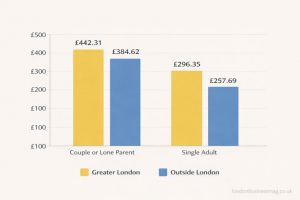 The benefit cap limits the total amount of welfare benefits a household can receive, with thresholds based on location and family status.
Benefit Cap Thresholds (2026)
| Location | Family Type | Weekly Cap | Annual Cap |
| Greater London | Couple or Lone Parent | £442.31 | £23,000 |
| Greater London | Single Adult | £296.35 | £15,410 |
| Outside London | Couple or Lone Parent | £384.62 | £20,000 |
| Outside London | Single Adult | £257.69 | £13,400 |
The cap applies to the total household income from certain benefits, including Housing Benefit and Universal Credit. The capped amount is usually deducted from the Housing Benefit or Universal Credit payment, meaning families often struggle to meet rising rent costs.
Who Is Affected by the Benefit Cap in the UK?
The benefit cap typically affects:
- Larger families
- Single parents
- People living in high-rent areas
- Households not in work
According to recent DWP benefit cap statistics, over 150,000 UK households were affected in 2025, and this number is expected to rise. Most affected households include lone parents with young children, who are often unable to work due to childcare needs.
Real-Life Example:
A single mother with three children living in Birmingham receives Universal Credit and Housing Benefit. Despite her eligibility, the cap reduces her total income by £70 a week putting her at risk of rent arrears.
What Benefits Are Affected by the Benefit Cap?
A common question is: what benefits are affected by the benefit cap? The following are included in the capped total:
- Universal Credit (excluding certain elements)
- Housing Benefit
- Child Benefit
- Child Tax Credit
- Jobseeker’s Allowance (JSA)
- Employment and Support Allowance (ESA)
- Income Support
- Carer’s Allowance
- Maternity Allowance
Importantly, benefits such as Personal Independence Payment (PIP) and the support component of ESA are not affected.
What Are the Exemptions from the Benefit Cap?
 Not every claimant is subject to the cap. Exemptions apply if:
- You (or your partner) receive Working Tax Credit
- You receive disability benefits like PIP, DLA, or ESA (support component)
- Someone in your household gets Carer’s Allowance for someone receiving PIP or Attendance Allowance
- You’re over State Pension age
If you believe you’re wrongly affected, you can request a reconsideration by the DWP or consult a welfare advisor.
How Does the Benefit Cap Affect Universal Credit Claimants?
Many ask: does benefit cap affect Universal Credit? Yes Universal Credit is the primary benefit affected by the cap, especially for claimants receiving the housing element.
When the total entitlement exceeds the cap, the Universal Credit housing payment is reduced accordingly. This has led to financial strain and even homelessness in some cases, particularly in cities with high rents.
Universal Credit claimants who work less than the minimum required hours to qualify for an exemption will face deductions.
Regional Differences in Benefit Cap Impact
The impact of the cap varies widely based on geography. Rent in London and the South East is significantly higher, meaning households are more likely to breach the cap despite receiving the same amount of assistance as those in lower-rent areas.
Outside of London, lower cap thresholds apply deepening financial pressure in regions with fewer work opportunities.
How to Challenge or Appeal a Benefit Cap Decision?
If you’re affected and believe it’s an error, you can:
- Request a Mandatory Reconsideration
- Submit a formal appeal to a tribunal
- Provide evidence of exemptions or miscalculations
Charities like Citizens Advice and Shelter UK offer support for these challenges.
What Are the Proposed or Discussed Reforms to the Benefit Cap?
Although there have been no official confirmations of reform, there is increasing pressure from advocacy groups to:
- Raise the cap thresholds
- Adjust for inflation or local rent levels
- Introduce a more flexible exemption system
Policy think tanks and welfare organisations argue that current cap levels are no longer aligned with living costs, especially post-COVID and amid rising inflation.
Financial Coping Tips for Families Hit by the Benefit Cap
 If you’re affected by the cap, consider the following:
- Check for exemptions or missed benefits
- Apply for Discretionary Housing Payments from your local council
- Reach out to charities like Turn2Us and The Trussell Trust
- Seek budgeting and debt advice from StepChange or National Debtline
Summary: Understanding the Real Impact of the DWP Benefit Cap
The DWP benefit cap impact continues to affect thousands of households across the UK, with the most severe consequences falling on low-income families, carers, and single parents. While designed to encourage employment and manage public finances, the cap often creates gaps in support and worsens hardship.
Understanding your eligibility, exemptions, and options can help reduce its effect and staying informed is essential as policies may shift in future reforms.
How Has the Benefit Cap Changed Over Time?
Since its introduction in 2013, the benefit cap policy has undergone multiple changes both in thresholds and in the scope of affected households.
Key Changes:
- 2013 Launch: Initially introduced with higher thresholds (£26,000 per year for couples/lone parents).
- 2016 Reduction: The government lowered the cap to £20,000 (£23,000 in London), expanding the number of households affected.
- Shift to Universal Credit: As more legacy benefits transitioned to Universal Credit, application of the cap became more widespread, especially through the housing element.
- Increased Impact: With housing costs and inflation rising faster than benefit adjustments, more families are now capped despite receiving the same or fewer benefits.
Critics argue that without inflation-linked updates, the cap becomes increasingly punitive, particularly for those unable to work due to caring responsibilities or disability.
What Are the Consequences of the DWP Benefit Cuts?
The broader set of DWP benefit cuts, including the benefit cap, have long-term effects on family stability, child development, and housing security.
Consequences Include:
- Increased Poverty: Many families fall below the poverty line due to capped income, especially in high-rent areas.
- Food Insecurity: Charities like The Trussell Trust report higher food bank usage among capped households.
- Rent Arrears and Evictions: Reduced housing support often leads to accumulated rent debt, eviction risk, and homelessness.
- Educational Impacts: Children in capped households often lack resources like school supplies or stable internet access.
According to recent dwp benefit cap statistics, these cuts disproportionately affect vulnerable groups, including children, single mothers, and ethnic minority communities.
While designed to encourage employment, the practical outcome has been greater financial instability for non-working households, many of whom face genuine barriers to entering the workforce.
FAQs About the DWP Benefit Cap
Is the benefit cap applied before or after Universal Credit is calculated?
The cap is applied after Universal Credit is calculated. If the total award exceeds the cap limit, the excess is deducted from the housing element.
Does the benefit cap affect Child Benefit?
Yes, Child Benefit is included in the total benefit income that is measured against the cap.
Can the benefit cap be lifted temporarily?
Yes, through Discretionary Housing Payments, local councils can provide temporary support, especially in cases of hardship.
Is Carer’s Allowance included in the cap?
Carer’s Allowance is included in the cap calculation, but carers may be exempt depending on the situation.
Are foster carers subject to the benefit cap?
No, foster carers are exempt from the benefit cap due to the nature of their support.
How often is the benefit cap reviewed?
While there’s no fixed schedule, it has been reviewed during major policy shifts. There are calls for a review aligned with inflation and cost-of-living increases.
What support is available if the cap causes rent arrears?
You can apply for Discretionary Housing Payments, seek council support, or contact homelessness prevention services for urgent help