







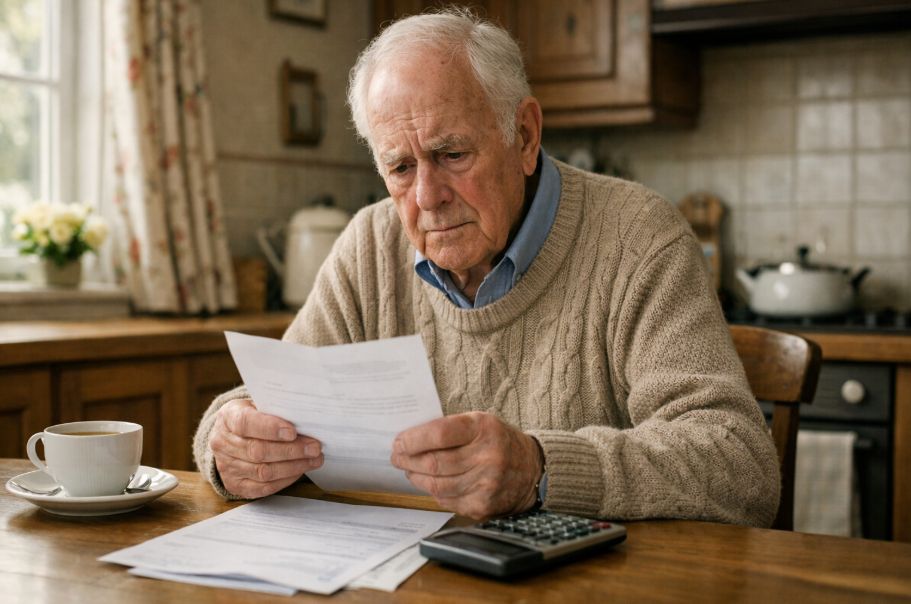
Thousands of UK pensioners have recently found themselves questioning a £500 deduction from their bank accounts with HMRC confirming responsibility. For many, this unexpected action has sparked concern, especially among those living on a limited retirement income.
While HMRC has the legal authority to recover unpaid taxes or benefits, the process behind these deductions can often appear opaque. This guide explores the situation in full, offering a clear, step-by-step breakdown of why these deductions happen, how they are confirmed, and what pensioners can do if affected. Whether you’re facing a deduction or seeking to avoid future issues, this blog offers accurate and practical insight tailored to UK pensioners.
What Does It Mean When HMRC Confirms a £500 Bank Deduction for Pensioners?
 A confirmed £500 bank deduction from HMRC usually indicates a recovery of a financial discrepancy often linked to underpaid tax or overpaid benefits. The process involves HMRC accessing funds directly from a pensioner’s bank account, usually after a period of notification or review.
In many cases, the deduction is associated with income tax that went unpaid due to an incorrect tax code or changes in reported income. In others, it relates to overpayments made by the Department for Work and Pensions (DWP), particularly where state pension or benefit thresholds were unintentionally exceeded.
Although HMRC’s actions are legally backed, the lack of clear upfront explanation often leaves pensioners confused about why this amount was taken and whether they had an opportunity to prevent it.
Why Are Pensioners Seeing a £500 Deduction from Their Bank Account?
The reasons behind HMRC’s deduction often stem from systemic issues within pension taxation. One of the most frequent causes is an incorrect tax code applied to a pensioner’s income. If HMRC miscalculates how much tax should have been paid, the underpayment accumulates silently only to be reclaimed later.
Another prevalent reason is DWP overpayments. If a pensioner receives more in benefits than they are entitled to either because of undeclared income, changes in eligibility, or administrative errors DWP may inform HMRC to recover the excess. In such cases, pensioners may find the £500 deducted as part of a wider recovery plan.
Unreported additional income, such as private pensions, savings interest, or part-time earnings, can also cause discrepancies in annual tax calculations. When HMRC identifies these gaps during end-of-year reconciliations, the result can be a one-time deduction or even multiple withdrawals depending on the amount owed.
How Does HMRC Notify Pensioners About the £500 Deduction?
HMRC generally follows a formal communication process, although delays and misunderstandings are not uncommon. Most pensioners should receive a letter in advance, commonly referred to as a P800 tax calculation or a Simple Assessment letter. This document outlines the total amount owed, the reason for the liability, and how HMRC intends to collect it.
However, many pensioners report not receiving a clear notice or misunderstanding the documentation. In some instances, notifications are sent through the Personal Tax Account portal on the GOV.UK website something not all elderly individuals actively use.
Although direct debit deductions are legally permitted, HMRC has a duty to ensure the taxpayer is informed. Unfortunately, a growing number of cases suggest the communication process may not be functioning as clearly or consistently as expected.
Is the £500 Deduction Related to a Tax Code Error or Overpayment?
 Yes, most confirmed HMRC deductions of this nature can be traced back to either a tax code error or a benefit overpayment. Tax codes dictate how much income tax is deducted from a person’s earnings, and when they are applied incorrectly, they can result in either underpayment or overpayment.
For pensioners, particularly those with multiple income streams such as a state pension and one or more private pensions the likelihood of a tax code mismatch increases. If the wrong code is applied to a pension, too little tax is collected during the year, leaving HMRC to claim the shortfall later.
On the other hand, overpayments from DWP may occur when changes in a pensioner’s circumstances such as a move abroad, a change in marital status, or additional income are not accurately reported or processed. These overpayments eventually get flagged and are sent to HMRC for recovery.
Can Pensioners Dispute or Challenge the £500 Bank Deduction?
Yes, pensioners have the legal right to challenge any deduction they believe is unjustified or inaccurate. The process begins by reviewing the official letter or tax notice issued by HMRC, then comparing it against personal records, such as pension statements or previously submitted tax returns.
If a discrepancy is found, pensioners can initiate a formal dispute by contacting HMRC either online or by phone. The tax authority may request supporting documentation to review the case. It is also possible to request a “Time to Pay” arrangement, which allows the owed amount to be paid in instalments rather than as a lump sum.
In many successful cases, pensioners have received partial or full refunds after proving that the tax code was wrongly applied or that an overpayment was made without their knowledge. However, the process can take several weeks and may require persistence.
What Are the Steps to Reclaim the £500 Deducted by HMRC?
Reclaiming a wrongly deducted amount is possible but must be approached systematically. The first step is to log into the HMRC Personal Tax Account, where detailed tax records and correspondence can be reviewed. Pensioners should look for any recent assessments, payment requests, or code adjustments.
If the deduction appears erroneous or unexpected, a refund request can be initiated directly through the portal or via HMRC’s telephone support. The claim should include clear reasons for disputing the charge and any supporting evidence such as pension provider letters, bank statements, or previous tax code notifications.
Once submitted, HMRC typically reviews the case within 4 to 8 weeks. If approved, the refund is credited back to the pensioner’s bank account. In some cases, HMRC may opt to offset the amount against future liabilities instead of issuing a direct refund.
How Can Pensioners Prevent Future Deductions by HMRC?
 Preventing future deductions begins with accurate record-keeping and proactive engagement with HMRC. Pensioners should make it a habit to review their tax code annually, especially when new income sources are added or existing pensions are adjusted.
It’s also critical to report any changes in circumstances such as part-time work, additional pension drawdowns, or changes in address to both HMRC and DWP. Keeping tax information up to date reduces the likelihood of underpayments building unnoticed.
Additionally, pensioners should consider registering for the HMRC Personal Tax Account, which allows them to monitor changes, correct details, and view upcoming liabilities in real-time. Seeking guidance from tax professionals or financial advisors can also provide clarity in complex cases.
Are There Any Support Services Available for Affected Pensioners?
Yes, multiple free and trustworthy support services exist to help pensioners manage unexpected deductions. Organisations like Citizens Advice and Age UK offer financial guidance tailored to older people, including support with tax and benefits queries.
Specialist charities such as Tax Help for Older People focus exclusively on helping those over 60 navigate complex tax matters. These services can assist in understanding letters from HMRC, lodging appeals, and negotiating repayment options.
For those with limited digital access, local community centres and libraries often provide help with accessing online accounts and contacting government services. Pensioners should never feel alone or overwhelmed by tax-related issues support is available.
What Are the Legal Rights of Pensioners in HMRC Deductions?
Pensioners have legal protections when it comes to tax collection and deductions. HMRC must follow a regulated process that includes providing advance notice, offering repayment flexibility, and clearly explaining the basis for any deduction.
If these steps are skipped or mishandled, pensioners have the right to file a complaint and escalate the issue to the Adjudicator’s Office or the Tax Tribunal. In cases involving service failure or undue stress, compensation claims can also be considered.
Understanding these rights is essential. No deduction should occur without transparency, and pensioners are entitled to fair treatment under the law.
Is There a Pattern in HMRC £500 Deductions Reported Across the UK?
 Reports from Google reviews, pensioner forums, and social media indicate a noticeable pattern of £500 deductions occurring across the UK, particularly during the months following the end of the tax year. Many of the affected individuals were unaware of discrepancies until the money was withdrawn.
The most common trend involves pensioners with more than one income source, such as a combination of state pension and workplace pensions. In such cases, tax codes often misalign, leading to unnoticed underpayments. With cost-of-living pressures already high, these deductions can cause considerable hardship, and the lack of widespread public awareness only exacerbates the issue.
Legitimate HMRC Deduction vs. Scam Warning Signs
| Criteria | Legitimate HMRC Deduction | Potential Scam |
| Source of Contact | Official letter or GOV.UK portal | Suspicious email or text message |
| Request for Bank Details | Never asks via email or phone | Requests immediate bank info |
| Method of Deduction | Automatically from bank via notice | Demands card payment or PayPal |
| Verification | Checkable via HMRC account | Unverifiable details or threats |
Conclusion
The confirmed £500 bank deduction by HMRC has emerged as a financial shock for many pensioners, yet it is not without explanation or recourse. Most cases are rooted in genuine tax or benefit adjustments, but the execution and communication often leave much to be desired.
By understanding the underlying causes, being proactive with personal finances, and knowing one’s legal rights, pensioners can address or even prevent such deductions. Those already affected should act promptly reviewing their tax records, contacting HMRC, and seeking assistance when needed.
Knowledge is power, especially when it comes to protecting your pension.
FAQs
What if I never received a letter about the deduction?
Contact HMRC immediately and request a copy of any assessment. You may also view communications through your Personal Tax Account online.
How do I verify if HMRC made the deduction?
Your bank statement should show “HMRC PAYE” or similar. Cross-check with your online tax account or contact HMRC directly.
Can I get the £500 refunded if it was taken in error?
Yes, if HMRC confirms the deduction was incorrect, you can apply for a refund through your tax account or in writing.
How long does it take to resolve a deduction dispute?
Most reviews take between four to eight weeks. Complex cases may take longer but you will be kept informed.
Will this deduction affect my future pension payments?
Typically no, but if the deduction was due to benefits overpayment, it may influence your entitlement or future payments.
Can I pay what I owe in instalments?
Yes, HMRC offers flexible repayment plans. Contact them directly to set up a Time to Pay agreement.
Where can I get help understanding HMRC letters?
Citizens Advice, Age UK, and Tax Help for Older People all provide free assistance interpreting official correspondence.