







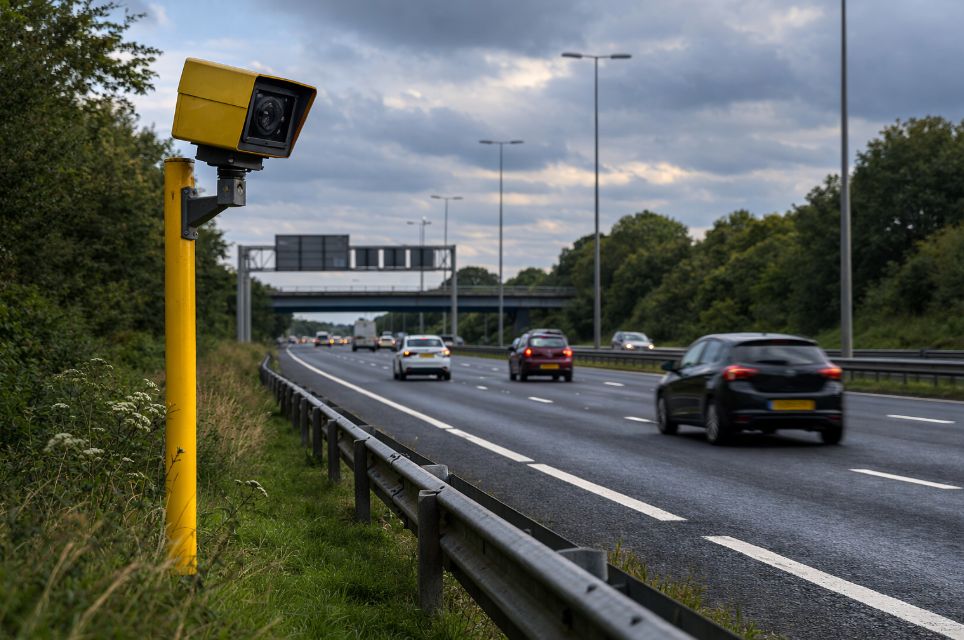
Have you ever driven past a speed camera and suddenly wondered if you might receive a speeding fine in the post? Many drivers across the UK experience that moment of uncertainty after noticing a camera flash or realising they may have been travelling slightly above the speed limit. Naturally, the next question that comes to mind is: how long does it take for a speeding fine to come through in the UK?
Understanding the timeline and process can help reduce confusion and ensure you know what to expect if you are issued a speeding ticket. This guide explains the typical timeframe for receiving a speeding fine, how the legal process works, and what steps you may need to take if a notice arrives.
Why Do Drivers Ask How Long It Takes for a Speeding Fine to Arrive?
 Speed enforcement in the UK has become increasingly automated. Fixed cameras, mobile speed cameras, and average speed camera systems monitor thousands of vehicles daily on motorways, A-roads, and urban streets.
Because many speeding offences are detected automatically rather than by police officers stopping drivers at the roadside, motorists often do not know immediately whether they have committed an offence.
This uncertainty leads to common questions such as:
- Did the camera actually catch me?
- Will I receive a speeding ticket?
- How long does it take for a speeding fine to arrive?
Understanding the official process helps drivers avoid unnecessary worry and ensures they respond correctly if a notice arrives.
How Long Does It Take for a Speeding Fine to Come Through in the UK?
In most cases, a speeding fine will arrive within 14 days of the offence. This timeframe is based on UK law relating to the Notice of Intended Prosecution (NIP).
When a speeding offence is detected by a camera or other enforcement method, the police must send a notice to the registered keeper of the vehicle within 14 days.
However, it is important to understand what this rule actually means and when it applies.
The 14-Day Notice of Intended Prosecution Rule
The Notice of Intended Prosecution (NIP) is the first official letter sent by the police when a traffic offence such as speeding is detected.
The purpose of the NIP is to inform the registered vehicle keeper that the police intend to prosecute the driver for a specific offence.
The notice typically includes:
- The date and time of the offence
- The location of the incident
- The alleged speed
- A request to identify the driver
Under UK law, this notice must normally be posted within 14 days of the offence to the registered keeper listed with the DVLA.
When the 14-Day Rule Applies?
The 14-day rule generally applies when speeding is detected through automated systems such as:
- Fixed speed cameras
- Mobile speed cameras
- Average speed cameras
- Traffic enforcement camera vans
In these situations, the police rely on vehicle registration records to identify the registered keeper.
When the 14-Day Rule Does Not Apply?
There are several situations where the 14-day rule may not apply or where a notice may appear to arrive later.
These include:
Roadside stops by police
If a police officer stops you at the time of the offence, you may be warned verbally that you could be prosecuted. In this situation, a written notice may not be required.
Company or leased vehicles
If the vehicle is registered to a company or leasing firm, the initial notice may be sent to that organisation first. The company must then identify the driver before a new notice is sent to the individual driver.
Outdated DVLA information
If the address registered with the DVLA is incorrect or outdated, the notice may still be considered valid if it was sent to the last recorded address.
Postal delays
Although rare, postal delays may affect when you physically receive the letter even if it was sent within the legal timeframe.
What Happens After You Receive a Speeding Fine in the UK?
 Receiving a speeding notice can feel worrying, but the process is usually straightforward and follows a clear structure.
Step 1: Notice of Intended Prosecution
The first letter informs the registered keeper that a speeding offence has been detected.
This letter also includes a driver identification request.
Step 2: Section 172 Driver Identification Form
Along with the NIP, you will normally receive a Section 172 notice.
This legal document requires the vehicle keeper to identify who was driving the vehicle at the time of the offence.
Drivers must respond within 28 days.
Failing to respond can result in additional penalties, often more serious than the original speeding offence.
Step 3: Fixed Penalty Notice or Further Action
Once the driver has been identified, several outcomes are possible depending on the severity of the offence.
These may include:
- A Fixed Penalty Notice
- A Speed Awareness Course
- A court summons for serious offences
How Much Is a Speeding Fine in the UK?
The penalty for speeding varies depending on the speed recorded and the type of road where the offence occurred.
Below is a simplified overview of typical penalties.
| Speeding Offence Level | Typical Fine | Penalty Points |
|---|---|---|
| Minor speeding | £100 | 3 points |
| Moderate speeding | £100–£1000 | 3–6 points |
| Serious speeding | Up to £2500 | 6 points or driving ban |
Motorway offences can lead to higher maximum fines, particularly if the case goes to court.
In some cases, drivers may be offered a Speed Awareness Course instead of penalty points. This option is usually available for minor offences and first-time incidents.
Can a Speeding Ticket Arrive After 14 Days?
Drivers sometimes worry if a letter arrives later than expected. While the 14-day rule generally applies, there are legitimate situations where the process can take longer.
For example:
Leased vehicles
If the vehicle is leased, the first notice goes to the leasing company, which must then identify the driver.
Company cars
Businesses that own fleets of vehicles may receive the first notice before identifying the employee who was driving.
Recent vehicle purchases
If the vehicle was recently purchased, the DVLA registration details may not yet reflect the new owner.
Because of these factors, a driver may receive a notice several weeks after the offence even though the initial notice was sent within the legal timeframe.
Real-Life Example: What Happens After a Speed Camera Flash
Imagine a driver travelling through an average speed camera zone on a motorway.
They notice a camera flash but are unsure whether they were exceeding the speed limit.
Here is how the timeline might unfold:
Day 1: The camera records the vehicle exceeding the speed limit.
Day 3–7: The police process the offence and identify the registered keeper.
Day 7–10: A Notice of Intended Prosecution is posted.
Day 10–14: The driver receives the letter.
Within 28 days: The driver must confirm who was driving.
This example reflects the typical timeline for many camera-detected speeding offences in the UK.
How to Check If You Have a Speeding Fine in the UK?
 If you suspect you may have triggered a speed camera, there is unfortunately no national database where drivers can immediately check for fines.
However, you can take a few practical steps.
You may consider:
- Monitoring post sent to the registered vehicle keeper
- Checking correspondence from local police forces
- Contacting the traffic enforcement office if necessary
In most cases, if a notice is issued, it will arrive through the post.
What Should You Do If You Receive a Speeding Fine?
If you receive a speeding notice, it is important to respond promptly and follow the instructions provided.
Steps you should take include:
Respond to the Section 172 driver identification request within 28 days.
Carefully review the information provided about the alleged offence.
Decide whether to accept the fixed penalty or seek legal advice if you believe the notice is incorrect.
Many drivers simply accept the penalty and pay the fine, particularly for minor offences.
If you are unsure about the situation, professional legal advice may help clarify your options.
Conclusion
So, how long does it take for a speeding fine to come through in the UK?
In most cases, drivers will receive a Notice of Intended Prosecution within 14 days of the offence being detected. This notice is sent to the registered keeper of the vehicle and begins the formal legal process.
However, there are several situations where the notice may appear to arrive later, particularly if the vehicle is leased, company-owned, or registered with outdated DVLA details.
Understanding the process helps drivers stay informed and respond correctly if a notice arrives. Keeping your vehicle registration details updated and responding to official correspondence promptly can help ensure that any issues are resolved quickly and efficiently.
FAQs
Do all speeding fines in the UK arrive within 14 days?
Most speeding fines start with a Notice of Intended Prosecution that must be sent within 14 days to the registered keeper. However, if the vehicle is leased or registered to a company, the driver may receive the notice later.
What happens if a speeding ticket arrives late?
If the initial notice was not sent to the registered keeper within 14 days and none of the exceptions apply, the prosecution may not be valid. However, each case depends on specific circumstances.
How long after a speed camera flash do you get a ticket?
Most drivers receive a notice between 7 and 14 days after the offence, although it can vary depending on processing times and postal delivery.
Can you check speeding fines online in the UK?
Currently there is no single nationwide system where drivers can instantly check speeding fines. Most notices are delivered through the post.
Do average speed cameras send fines immediately?
Average speed cameras record your speed across a distance. If the system detects an offence, the information is processed before a notice is sent, usually within the standard 14-day period.
What happens if you ignore a speeding ticket?
Ignoring a speeding ticket or failing to respond to a Section 172 notice can lead to additional penalties, including higher fines and more penalty points.
Can you dispute a speeding fine in the UK?
Yes, drivers can challenge a speeding allegation if they believe it is incorrect. In such cases, the matter may be reviewed by the courts.