







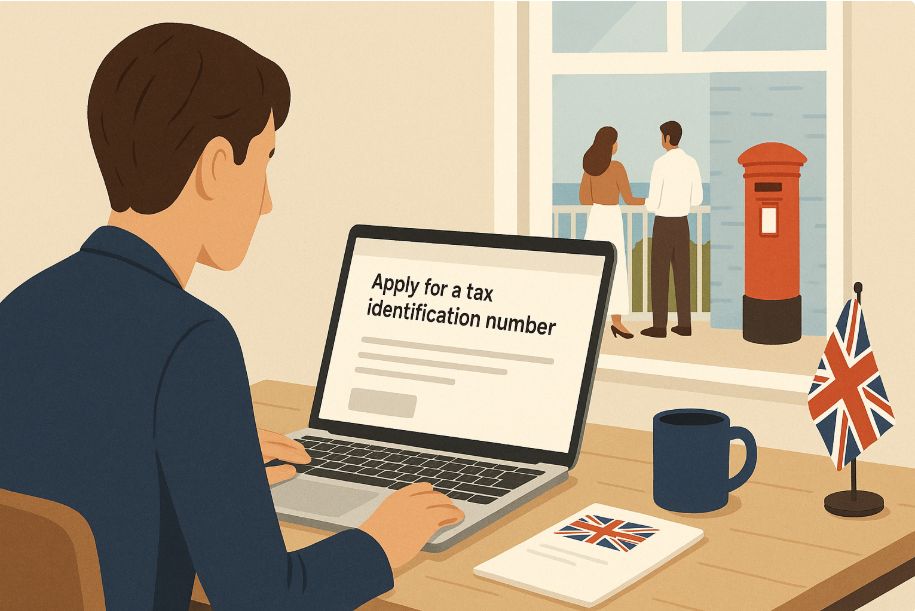
A UTR number, or Unique Taxpayer Reference, is a ten-digit code issued by HM Revenue and Customs (HMRC) to individuals and entities in the UK who need to complete a Self Assessment tax return. This number acts as your personal tax ID, helping HMRC track your tax affairs accurately.
The UTR number is crucial for anyone who is self-employed, working as a sole trader, or earning income that isn’t taxed through PAYE (Pay As You Earn). Without this number, you cannot file your tax return, and failure to do so on time may result in penalties. It also serves as a form of identification when dealing with HMRC and other official agencies.
Who Needs to Apply for a UTR Number in the UK?
 Not everyone in the UK needs a UTR number. It is typically required by individuals who are self-employed or run their own business, including sole traders, freelancers, and landlords. If you’re working in the construction industry under the Construction Industry Scheme (CIS), having a UTR is a legal necessity.
Additionally, directors of limited companies and anyone who needs to submit a Self Assessment tax return even if they are employed but earning additional untaxed income must apply for a UTR number.
Understanding your eligibility is essential to avoid unnecessary complications with HMRC.
How Can You Register for Self-Assessment to Get a UTR Number?
Registering for Self Assessment is the first step in obtaining a UTR number. This can be done directly through the HMRC website. You will be required to create a Government Gateway account if you don’t already have one. Once registered, HMRC will send your UTR number by post to your registered address.
You should complete this process well in advance of the tax return deadline to ensure that your UTR number arrives in time. Typically, this process takes around 10 working days within the UK, but delays can happen, especially during peak tax periods.
If you’re setting up as self-employed, make sure to notify HMRC within three months of starting your business to avoid penalties.
What Information Do You Need to Apply for a UTR Number?
When applying for a UTR number, HMRC requires a range of personal and business-related details to verify your identity and register you correctly for Self Assessment. You’ll need your full name, date of birth, National Insurance number, and contact details, including your address.
In addition to your personal details, you must also provide information about your business. This includes the type of work you do, the name of your business (if applicable), and the date you started trading. If you are registering a partnership, HMRC will require information about all partners involved.
You must also have a Government Gateway user ID and password to access HMRC services online. If you don’t already have one, you’ll be prompted to create it during the registration process.
How to Apply for a UTR Number Online Step by Step?
Applying for a UTR number online is quick if you follow the correct process. Here’s how to do it:
1. Create a Government Gateway Account
Visit the HMRC website and sign up for a Government Gateway account if you don’t already have one. You’ll need your email address, a password, and a phone number for verification.
2. Register for Self Assessment
Go to gov.uk/register-for-self-assessment and choose the appropriate category (e.g. self-employed, partnership, or other). Begin the online registration process.
3. Provide Your Details
Fill in your personal information, including:
- Full name and date of birth
- National Insurance number
- UK address
- Business type and start date
Ensure everything is accurate to avoid delays.
4. Submit and Wait for Your UTR
After submission, HMRC will send your UTR number by post within 10 working days (or 21 days if you’re abroad). It will also appear in your online account once issued.
Can You Apply for a UTR Number Without a National Insurance Number?
 While a National Insurance number is typically required to apply for a UTR, there are exceptions. If you’re a non-resident or don’t yet have an NI number, you can still register with HMRC, but the process becomes more complex. You may be asked to provide additional documentation, such as proof of identity, residency, and a detailed explanation of your need for Self Assessment.
In such cases, it’s best to contact HMRC directly for assistance. They may require you to submit a paper application or attend an identity verification interview. The absence of a National Insurance number may delay the process, so plan accordingly.
How Long Does It Take to Receive Your UTR Number After Applying?
Once you’ve submitted your Self Assessment registration, HMRC typically sends your UTR number within 10 working days. If you’re overseas, it may take up to 21 days. Your UTR will arrive via post, so ensure that your mailing address is correct at the time of registration.
There may be delays during peak times, especially in the months leading up to tax deadlines. If you do not receive your UTR after two weeks, it’s advisable to contact HMRC for a status update. You can also log into your Government Gateway account to check if the number is available there.
What to Do If You Lost or Forgot Your UTR Number?
Losing your UTR number isn’t uncommon, but there are several ways to recover it. The easiest method is to log in to your HMRC online account. Your UTR is usually listed under your Self Assessment summary.
Alternatively, you can find your UTR number on previous HMRC letters, your tax return documents, or your “Welcome to Self Assessment” letter. If you can’t find it through these methods, you’ll need to call HMRC. Be ready to answer identity verification questions when speaking with a representative.
What Are the Common Mistakes to Avoid During UTR Application?
One of the most common mistakes is providing incomplete or incorrect information during the application process. This often leads to delays or rejected applications. Double-check your personal and business details before submitting them to HMRC.
Another frequent error is failing to register for Self Assessment early enough. Since it can take up to 10 working days to receive your UTR number, leaving it too late can result in missing the Self Assessment deadline and incurring penalties.
Also, many users forget to create or properly set up their Government Gateway account, which is essential for managing your tax affairs online.
How Is Your UTR Number Used for Self-Assessment and Tax Returns?
 Once you have your UTR number, you’ll need it every time you file a Self Assessment tax return. HMRC uses the number to track your tax records and payments, ensuring your account is accurately maintained.
When submitting your tax return online, your UTR number must be included. It also appears on correspondence related to your tax status, including any notices, repayments, or penalties.
Failure to include your UTR in tax returns or payment references can lead to processing delays or even misallocated payments.
How Do Freelancers and Contractors Use Their UTR Number in the UK?
For freelancers and contractors, particularly in industries like construction, having a UTR number is a professional necessity. Under the Construction Industry Scheme (CIS), contractors must report and deduct tax from subcontractors a process that relies on UTR verification.
Even outside the CIS, many clients ask freelancers to provide their UTR to confirm they are properly registered with HMRC. This builds trust and compliance within the business relationship.
Freelancers also need their UTR to complete invoices, register for VAT (if required), and submit annual Self Assessment returns.
Conclusion
Applying for a UTR number in the UK is a vital step for anyone who is self-employed, freelancing, or earning additional income outside regular employment. By understanding the process, gathering the right information, and registering early with HMRC, individuals can ensure they remain compliant and avoid penalties.
With the steps outlined in this guide, applying for your UTR number should now be a simple and stress-free process.
FAQs About UTR Numbers
What does a UTR number look like?
A UTR number is a unique ten-digit code issued by HMRC. It typically appears in the format: 12345 67890. It’s printed on official tax documents and correspondence from HMRC.
Is a UTR number the same as a National Insurance number?
No, a UTR number and a National Insurance number serve different purposes. The UTR is used for tax reporting, while the NI number is used for national insurance contributions and employment records.
Can I get a UTR number immediately?
No, there’s no instant issue for UTR numbers. Once you apply, it usually takes 10 working days to arrive by post from HMRC.
Do I need a UTR number if I’m employed?
If you’re employed and have no additional untaxed income, you typically don’t need a UTR. However, if you earn side income, freelance, or have investments, you may need to register for Self Assessment.
Can I work without a UTR number?
Yes, but only if you’re under PAYE employment. If you’re self-employed or a subcontractor, a UTR is legally required to report your income and pay taxes.
Is there a fee to apply for a UTR number?
No, applying for a UTR number through HMRC is completely free. Avoid third-party websites that charge for this service.
What happens if I apply late for a UTR number?
Delays in applying can result in missed deadlines for Self Assessment. This can lead to automatic fines and interest charges from HMRC.