






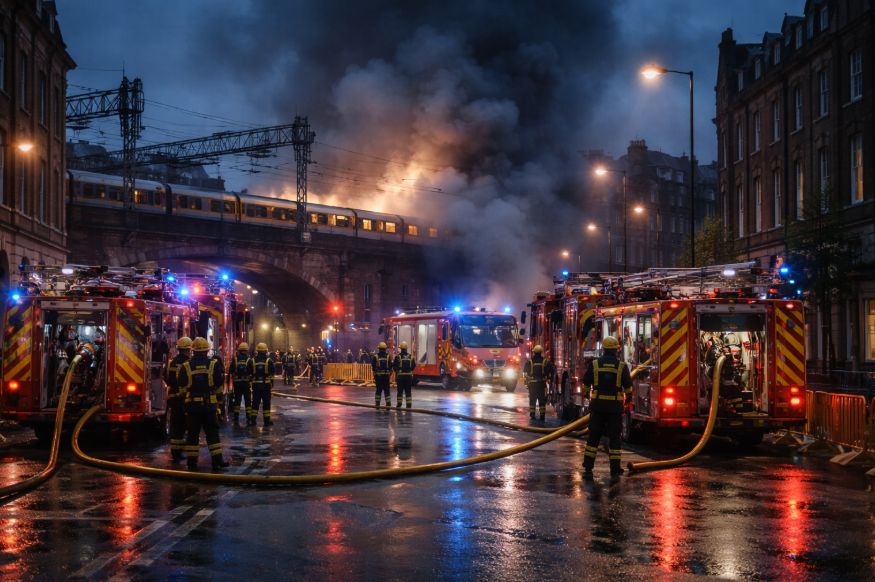
A significant fire incident at Queen’s Road Peckham Railway Station in south London has drawn widespread attention after thick smoke filled the night sky and rail services were disrupted. This article provides a clear, factual, and professional guide to what occurred, how emergency services responded, and what it means for commuters and local residents in the UK.
When and Where Did the Queens Road Peckham Fire Occur?
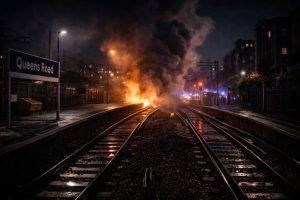 The fire broke out on the evening of 13 January 2026 at around 20:49 GMT on the train tracks near Queen’s Road Peckham Railway Station in the London Borough of Southwark. The incident was reported just outside the station, close to the rail lines used by both London Overground and Southern services.
Queen’s Road Peckham station itself is a key local transport hub on the Windrush line, connecting passengers across south London and offering links to Clapham Junction, Dalston Junction and beyond.
What Caused the Fire at Queens Road Peckham Station?
At present, authorities have not issued a final determination on the exact cause of the fire. Initial information from eyewitness posts and emergency reports suggests the fire began on the tracks close to the station and may have involved electrical infrastructure or nearby commercial units, but no official investigation conclusion has been published yet.
London Fire Brigade’s priority was extinguishing the blaze and ensuring safety, so causal analysis will follow after their operational report is completed.
How Did Emergency Services Respond to the Blaze?
Emergency services acted swiftly after receiving the first of around 90 calls alerting them to the fire.
- London Fire Brigade dispatched three fire engines and about 15 firefighters to the scene.
- The fire was fought from the track area and under railway arches to prevent further spread.
- Power on the tracks was isolated so crews could access the affected area safely.
By around 23:30 GMT, the brigade had brought the situation under control, although crews remained on site to ensure full extinguishment and safety.
Was the Station Evacuated and Were There Any Injuries?
Yes, passengers at Queen’s Road Peckham Railway Station were evacuated promptly as a safety precaution once the fire was reported.
Importantly, no injuries have so far been reported by the London Fire Brigade or official sources during this incident.
What Was the Impact on Rail Services and Commuters?
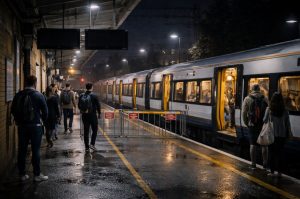 The fire caused major rail disruption on several fronts:
- Services were initially suspended through Queen’s Road Peckham station in both directions.
- London Overground and Southern services were affected, particularly between key stations like Peckham Rye, Surrey Quays, Canada Water and London Bridge.
- National Rail advised passengers to use alternative routes while the fire was tackled and safety checks were completed.
By early the following morning, rail operators confirmed that services had begun to resume, but delays and cancellations remained possible as operations normalised.
This disruption had a spill‑over effect on commuters planning journeys into central London, particularly during evening and early morning peak times.
How Have Locals and Commuters Reacted?
Reactions from locals and passengers on social platforms ranged from shock and concern to praise for the rapid emergency response. Some eyewitness commenters noted that the fire and its smoke were visible from far away, illuminating the skyline and prompting immediate calls to emergency services.
Commuters also shared that temporary service suspensions caused delays and required seeking alternative transport options, adding to frustrations common when infrastructure incidents disrupt daily travel.
What Safety Measures Are in Place Following the Incident?
Transport authorities and emergency services routinely review fire safety measures on the rail network. After incidents like this:
- Stations and infrastructure are inspected to verify electrical systems and track safety.
- Fire safety protocols for crew and passengers are emphasised.
- Transport for London (TfL), Network Rail and the London Fire Brigade conduct joint assessments to mitigate future risks.
At this stage, no additional official safety measures have been announced specifically for Queen’s Road Peckham, but thorough investigations are expected to inform any changes.
What Can We Learn from the Queens Road Peckham Fire?
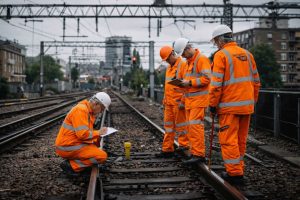 This fire highlights the importance of robust infrastructure monitoring and coordinated emergency responses on busy urban rail networks. Key lessons include:
- The value of rapid 999 reporting by members of the public.
- Importance of isolating power for fire crews to safely address track‑side blazes.
- Need for clear travel communications during major service disruptions.
While the incident was serious, the lack of reported injuries and the containment of the fire reflect effective response measures. For future resilience, ongoing analysis by rail and safety authorities will be critical.
FAQs
What time did the fire start at Queen’s Road Peckham?
The first emergency calls were received around 20:49 GMT on 13 January 2026.
Are trains running normally now?
Services began resuming the following morning, though some delays or cancellations may still occur.
Is the station permanently closed?
No, the closure was temporary to allow firefighting and safety checks. Normal operations are planned to restart as infrastructure is cleared and inspected.
What caused the fire?
The exact cause remains under review; initial reports suggest the fire was on or near track infrastructure.
Were any businesses affected?
There is no confirmed report of business closures, but any nearby structures under arches were inspected for fire spread.
How do I check train updates after the fire?
Passengers should consult official National Rail or London Overground service updates online or via apps.
What should commuters do during rail disruptions?
Seek alternative transport options (e.g., buses, Tube lines) and stay updated with real‑time alerts from rail operators.