







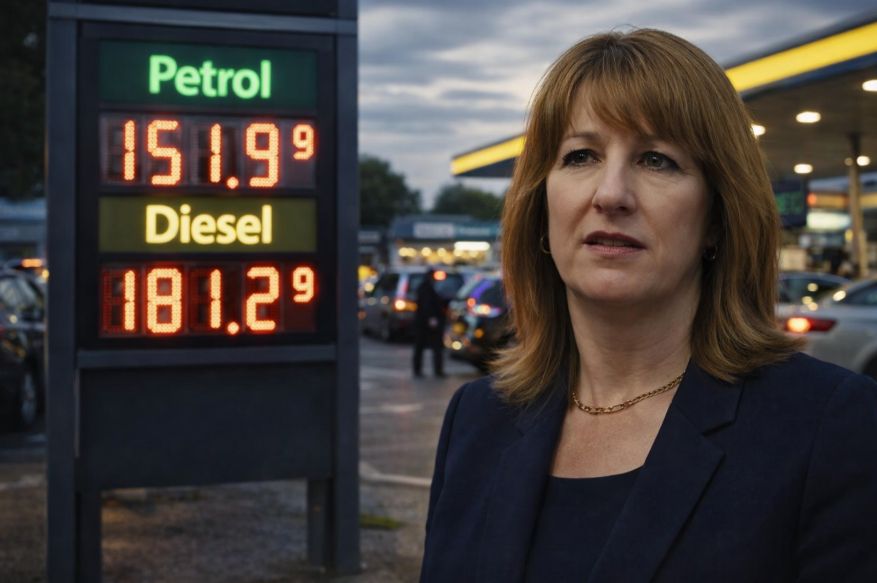
Rachel Reeves’ fuel price warning at a glance
UK drivers are facing renewed pressure at the pumps as petrol and diesel prices remain volatile. Rachel Reeves has warned fuel retailers against unfair pricing, backed stronger market scrutiny, and tied the government’s response to greater transparency through the new Fuel Finder scheme. For motorists, the key questions are simple: will prices keep rising, when does the 5p fuel duty cut end, and where can real savings be found right now?
Fuel prices are under scrutiny
Rachel Reeves has warned retailers against “rocket and feather” pricing and signalled tougher oversight where drivers are not seeing fair pump prices.
The 5p duty cut is temporary
The current 5p-per-litre fuel duty cut remains in place until 31 August 2026, after which a phased return is expected unless policy changes again.
Fuel Finder could reduce costs
Real-time fuel price reporting is designed to help drivers compare nearby forecourts and avoid overpaying for petrol or diesel.
Global factors still matter
Oil market volatility, geopolitical tensions, and the pound-to-dollar exchange rate continue to shape what drivers ultimately pay at the pump.
| Topic | What drivers should know | Why it matters |
|---|---|---|
| Fuel price warning | The government is warning retailers against inflated pump prices and delayed pass-through of wholesale savings. | It could lead to stronger enforcement and more pricing pressure on forecourts. |
| 5p fuel duty cut | The cut remains until 31 August 2026, with phased increases expected afterwards. | Household motoring costs may rise if the cut is not extended again. |
| Fuel Finder scheme | Stations must report price changes quickly, helping drivers compare local pump prices. | This improves transparency and can help motorists cut filling costs. |
| What to do now | Track local prices, avoid assuming supermarkets are cheapest, and watch for autumn policy updates. | Small changes in where and when you fill up can make a noticeable difference over time. |
With petrol and diesel costs climbing to their highest levels since 2022 largely driven by escalating tensions in the Middle East UK drivers are once again feeling the strain at the pump. A typical family could now face a £100 fill-up, intensifying pressure during an already challenging cost-of-living period.
In response, Chancellor Rachel Reeves has issued a strong warning to fuel retailers against unfair pricing practices, while introducing new transparency measures through the Fuel Finder scheme.
— Rachel Reeves, Chancellor of the Exchequer
This guide explains what Rachel Reeves’ fuel price warning means, how upcoming policy changes may affect your costs, and what steps you can take to save money today.
Why Has Rachel Reeves Warned About Fuel Prices in the UK?
 Rachel Reeves has issued this warning due to concerns that some fuel retailers may be increasing prices unfairly, particularly during periods of global instability. The government’s focus is to ensure that any drop in wholesale fuel costs is passed on quickly to consumers.
Rising oil prices linked to geopolitical tensions have driven up costs, but the concern lies in how those costs are reflected at the pump.
Government stance on price fairness
The government has made it clear that transparency and fairness are non-negotiable. Retailers are expected to act responsibly, especially during a cost-of-living crisis.
Involvement of regulators and authorities
Energy Secretary Ed Miliband and the Competition and Markets Authority (CMA) are actively monitoring fuel pricing behaviour, with enforcement powers ready if needed.
What Is the “Rocket and Feather” Fuel Pricing Issue?
The “rocket and feather” phenomenon describes how fuel prices rise rapidly when oil costs increase but fall slowly when costs decrease.
This imbalance means drivers often pay more than they should, even after global prices stabilise.
CMA monitoring and enforcement measures
The CMA is now on high alert to identify unjustified price increases and ensure retailers pass savings on without delay. This marks a significant shift towards stricter market oversight.
When Will the 5p Fuel Duty Cut End in the UK?
The current 5p-per-litre fuel duty cut will remain in place until 31 August 2026, after which it will be gradually phased out.
— Rachel Reeves, 2026 Spring Statement
Timeline of fuel duty changes
How Will the Fuel Duty Changes Affect UK Drivers’ Costs?
 As the fuel duty cut is gradually removed, drivers will see a steady increase in fuel costs. While each step may appear small, the cumulative effect could significantly impact monthly budgets.
For commuters, delivery drivers, and families, this means higher ongoing expenses and potential knock-on effects across everyday goods and services.
What Is the Fuel Finder Scheme and How Can You Use It?
The Fuel Finder scheme is a government initiative designed to bring full transparency to fuel pricing. Petrol stations are now legally required to update prices within 30 minutes of any change.
— Rachel Reeves, HM Treasury
Accessing real-time fuel prices
Drivers can check live prices through:
- Google Maps and Apple Maps
- PetrolPrices.com and RAC Fuel Watch
- In-car navigation systems
Potential savings for drivers
The scheme could save households around £40 per year, with potential savings of up to £4.50 per tank for those who compare prices regularly.
Are Fuel Prices Expected to Keep Rising in 2026?
Fuel prices are expected to remain volatile due to global economic uncertainty, oil supply disruptions, and currency fluctuations.
Expert insights on fuel price trends
Steve Gooding, Director of the RAC Foundation, noted:
“The fact that pump prices are routinely displayed down to a tenth of a penny illustrates just how sensitive millions of motorists are… more than half of what’s paid at the pumps goes to the Exchequer.””
Edmund King, President of the AA, added:
These insights highlight the complexity of fuel pricing and the shared responsibility between government policy and market forces.
Will Rachel Reeves Scrap the 5p Fuel Duty Cut in the Next Budget?
 There is currently no confirmation that the fuel duty cut will be extended beyond August 2026. The decision involves balancing public finances with the financial pressure on households.
The £5 billion fiscal challenge
Ending the cut could generate significant revenue for the Treasury, but it may also increase the burden on drivers during a sensitive economic period.
Expected timeline for the Autumn Statement
The Autumn Statement expected in late October or early November 2026 will likely provide the next major update on fuel duty policy.
Why Are Fuel Prices Different Across UK Regions?
Fuel prices vary depending on location, competition, and supply logistics.
Supermarkets versus independent stations
While supermarkets have traditionally offered lower prices, recent findings suggest this is no longer always the case.
The rural fuel premium
Drivers in rural areas often pay more due to higher distribution costs and limited competition, though relief schemes exist in some regions.
How Do Global Oil Prices Affect UK Fuel Costs?
UK fuel prices are heavily influenced by global oil markets, making them sensitive to international developments.
Impact of geopolitical tensions
Disruptions in oil supply particularly in the Middle East can quickly drive up prices at UK pumps.
Currency exchange impact
Because oil is traded in US dollars, a weaker pound increases import costs, further pushing up fuel prices.
Are There Alternatives to Rising Fuel Costs for UK Drivers?
Many drivers are exploring alternatives such as electric vehicles and public transport to reduce fuel expenses.
Government support for EV infrastructure
Investment in EV charging networks aims to make electric vehicles a more practical option across the UK.
Salary sacrifice schemes
These schemes allow drivers to lease electric vehicles using pre-tax income, offering significant savings over time.
What Should You Do If You Suspect Fuel Price Gouging?
Drivers who suspect unfair pricing can take action by reporting concerns to regulators.
Reporting to the CMA
The Competition and Markets Authority accepts complaints and investigates suspicious pricing behaviour to protect consumers.
Conclusion
Rachel Reeves’ fuel price warning marks a significant shift in how the UK government is addressing rising fuel costs and market transparency. While policies like the Fuel Finder scheme aim to empower drivers, global factors continue to play a major role in determining prices.
For UK motorists, staying informed, comparing prices, and understanding policy changes are essential steps in managing fuel expenses effectively in 2026 and beyond.
FAQs About Rachel Reeves and Fuel Prices
Is the fuel duty cut being extended again?
Currently, it is confirmed only until 31 August 2026.
How much are fuel prices right now in the UK?
Petrol averages around 152.0p per litre, while diesel is about 181.2p.
Can the Fuel Finder scheme really save money?
Yes, especially for drivers who actively compare prices before filling up.
Why do fuel prices not drop quickly?
Due to the “rocket and feather” pricing pattern.
Will fuel prices fall soon?
They depend heavily on global oil markets and economic conditions.
Are rural areas more expensive for fuel?
Yes, due to higher supply costs and less competition.
What is the biggest factor affecting fuel prices?
Global oil prices and exchange rates are the primary drivers.