







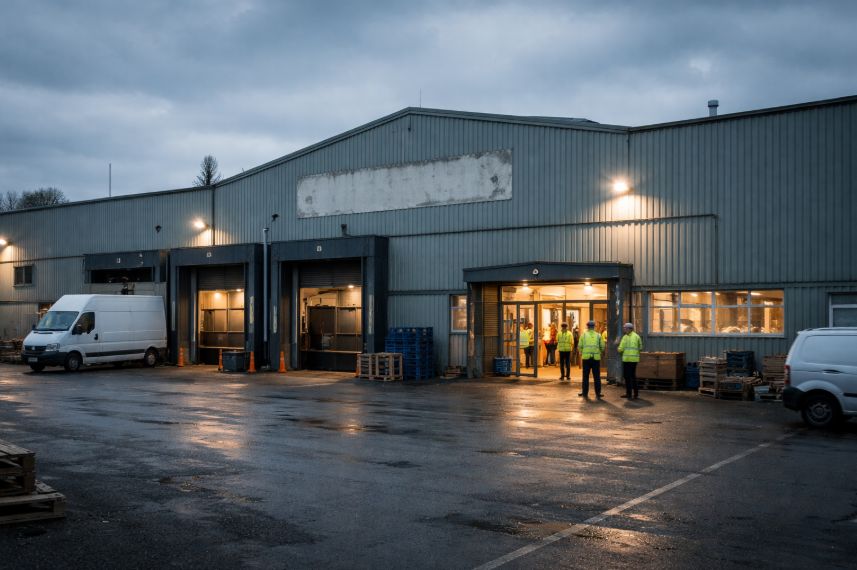
Morrisons has announced the closure of its Rathbones Bakery site in Wakefield, West Yorkshire a move that puts approximately 115 jobs at risk. This decision marks a significant shift in the supermarket’s manufacturing operations and highlights the growing challenges in the UK’s bakery sector.
The Wakefield site, part of the Myton Food Group under Morrisons’ umbrella, has struggled with profitability despite attempts at strategic realignment.
What Led to the Closure of Rathbones Bakery in Wakefield?
 Rathbones Bakery has a long-standing history in the British baking industry, with roots dating back over a century. The Wakefield facility became part of Morrisons’ manufacturing operations in recent years as the company aimed to exert more control over its supply chain. Originally a producer of staple bakery goods, the site was later repositioned to focus on niche and higher-value items such as crumpets, pancakes, naan, and pitta bread.
Despite the strategic shift and a workforce reduction over the years, the site remained financially unviable. Morrisons had already scaled back operations at Wakefield in 2024 in an attempt to improve efficiency, but the site continued to generate losses. The supermarket confirmed that maintaining operations was no longer sustainable.
Why Is Morrisons Shutting Down This Bakery Facility?
The closure decision follows a comprehensive internal review by Morrisons and the Myton Food Group. Several factors contributed to the conclusion that the site was no longer viable. One of the key challenges was the loss of a significant third-party contract, which had previously provided a steady revenue stream. Coupled with rising operational costs including energy, transport, and ingredient expenses the site failed to meet its breakeven targets.
Although Morrisons praised the dedication of the staff and their management team, the financial realities could not be ignored. The company stated that “tremendous efforts” had been made to turn the business around, but ultimately, the Wakefield facility continued to operate at a loss.
How Will the Closure Affect Workers and the Local Community?
The closure of the Wakefield bakery is expected to have a considerable impact on the local community. Around 115 employees currently work at the site, and they now face the prospect of redundancy. The loss of stable, skilled manufacturing jobs can affect not only those directly employed but also families, local suppliers, and related service businesses in Wakefield.
Many of these employees have been through previous rounds of restructuring and downsizing. The announcement is particularly tough for a community already dealing with the economic pressures of a challenging labour market.
It is likely that the area will see broader economic effects, from reduced household spending to a potential knock-on impact on nearby local businesses that relied on the bakery’s operations.
What Happens Next for the 115 At‑Risk Employees?
 Morrisons has started a formal consultation process with the affected workers. This consultation is designed to explore options, including potential redeployment opportunities within the wider Morrisons group or the Myton Food Group. The company has not ruled out the possibility of transferring some employees to other roles or sites, but this will depend on the outcome of ongoing discussions.
Support is also being offered to staff members in the form of career advice, outplacement services, and where applicable, retraining opportunities. The company has stated that it will do its best to support every worker during this difficult transition period.
Are Other Morrisons Bakeries Affected by This Decision?
The company has been clear that the Wakefield closure does not affect its in-store Market Street bakeries. These are the bakeries located within Morrisons supermarkets that produce fresh items like bread, muffins, and pastries on a daily basis. These operations are separate from the manufacturing site and will continue to serve customers as usual.
This distinction is important, as many customers expressed concern that their favourite baked goods might disappear from stores. Morrisons has assured shoppers that fresh in-store bakery offerings will not be impacted.
What Role Did the Product Range Play in the Decision?
At the time of the restructure in 2024, the Wakefield site shifted focus from producing standard loaves of bread to manufacturing more specialised baked goods, including crumpets, pancakes, naan, and pitta bread. The goal was to move away from low-margin commodity products and instead cater to more profitable niche markets.
However, even with this repositioning, the volumes were not sufficient to offset the site’s fixed costs. The decline in third-party manufacturing contracts further weakened the site’s financial position. This combination of lower-than-expected sales volumes and a high cost base meant the site could not reach a sustainable operational level.
How Is the UK Bakery Industry Responding to These Changes?
 The closure of Rathbones Bakery is reflective of broader issues facing the UK bakery sector. The industry has been under pressure due to several converging trends increased energy costs, raw material inflation, labour shortages, and shifting consumer habits. Retailers are also increasingly relying on flexible supply chains and outsourcing to reduce fixed costs.
Smaller or less efficient manufacturing units are finding it harder to stay afloat, especially those that lack scale or depend on one or two major clients. In this environment, even heritage brands like Rathbones can find themselves at risk if they are unable to adapt quickly enough to changing commercial realities.
What Can Businesses and Employees Learn from This Closure?
There are lessons for both businesses and workers in this situation. For companies, the Rathbones case highlights the importance of diversification and resilience. Relying heavily on a small range of clients or product lines can be risky, particularly in volatile markets. Strategic flexibility, investment in innovation, and early risk identification are now more critical than ever.
For employees, the experience underscores the value of transferable skills and continuous professional development. Workers who adapt to new roles and stay open to learning new skills are generally better positioned when faced with sudden changes like site closures or industry disruptions.
What Are People Saying About the Closure on Google Reviews?
Feedback from the public, particularly in local Google reviews and social media, has been marked by disappointment and concern. Many people expressed sympathy for the workers affected and reminisced about the bakery’s legacy in the community. Others questioned whether large corporations were doing enough to retain jobs and preserve regional industries.
The tone of the community response has been a mixture of nostalgia, frustration, and uncertainty all reflecting the emotional and economic impact such closures can have beyond corporate balance sheets.
Will This Closure Affect Morrisons Customers?
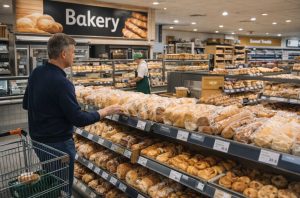 In the short term, most Morrisons customers are unlikely to notice a dramatic change in the availability of their favourite bakery items. The company is expected to continue offering the same range, either by shifting production to other facilities or by sourcing from external partners.
However, some specialist items previously made at Wakefield might be subject to supply adjustments. The long-term impact will depend on how efficiently Morrisons can integrate replacement manufacturing into its wider supply chain. So far, the company has assured customers that product quality and availability will remain consistent.
Conclusion
The closure of Rathbones Bakery’s Wakefield site is a significant development for both Morrisons and the wider UK bakery sector. While the move is driven by clear financial considerations, it raises questions about the future of British manufacturing and the livelihoods tied to these longstanding industries. For the 115 employees facing redundancy, the weeks ahead will be challenging but the support promised by Morrisons may provide some relief.
As supermarkets continue to evolve their supply chains, this case serves as a reminder of the pressures businesses face in balancing efficiency with responsibility. Meanwhile, local communities and workers will look to navigate the aftermath with resilience and hope.
FAQs
What is Rathbones Bakery?
A historic UK bakery brand formerly operated by Morrisons in Wakefield.
Why is the Wakefield bakery being closed?
Due to ongoing financial losses and operational challenges.
Who owns Rathbones Bakery?
It was owned and managed by Morrisons through the Myton Food Group.
Are Morrisons’ in-store bakeries closing too?
No, only the manufacturing site is closing; in-store bakeries remain open.
What products were made at the Wakefield site?
Crumpets, pancakes, naan, and pitta bread.
How will employees be supported?
Through consultations, redeployment options, and job support services.
Is there any chance the site will be sold or repurposed?
No decision has been made yet about its future use.