







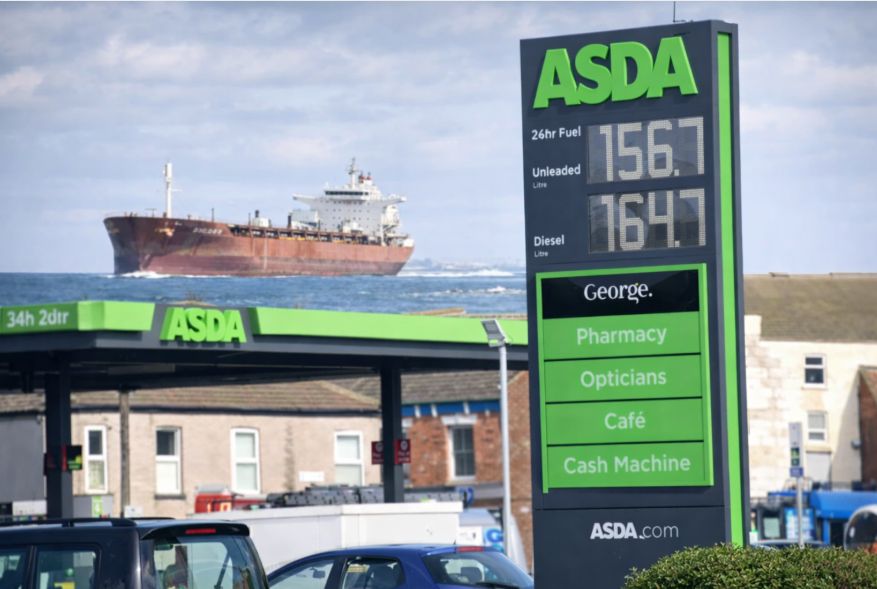
Asda Boss Warns UK Petrol Stations Facing Shortages as Prices Top 150p
Some UK petrol stations are experiencing temporary shortages as demand rises and deliveries struggle to keep pace. At the same time, petrol prices have crossed 150p per litre, increasing pressure on drivers.
Temporary shortages
Fuel shortages are localised, with some pumps running dry before the next delivery arrives.
Prices above 150p
Average petrol prices have crossed 150p per litre, increasing everyday driving costs.
Global pressure
Rising oil prices and global tensions are pushing up UK fuel costs.
Driver advice
Avoid panic buying and use fuel price apps to manage costs effectively.
British drivers are once again feeling pressure at the pumps as petrol prices climb past the 150p per litre mark. Alongside rising costs, warnings from Asda’s leadership about “temporary shortages” at some petrol stations have raised fresh concerns about fuel availability across the UK.
With global tensions pushing oil prices higher and demand increasing domestically, many motorists are left wondering whether this is the beginning of a wider fuel crisis or simply a short-term disruption.
This article explains what is actually happening, why some petrol stations are running dry, and what it means for you as a UK driver right now.
Why Is Asda Warning About Petrol Shortages in the UK?
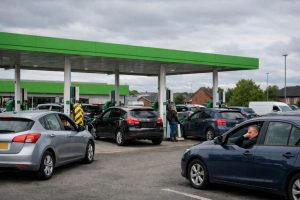 The shortages are temporary and localised, caused by demand spikes and uneven delivery timing rather than a national supply failure.
Asda, one of the UK’s largest fuel retailers, has confirmed that some petrol stations are experiencing outages at individual pumps. However, this does not mean the country is running out of fuel.
Instead, the issue lies in how quickly fuel is being purchased compared to how often it is being replenished.
Demand And Supply
Yes, and this is a key factor behind the current situation.
Drivers are reacting to rising fuel prices by filling up more frequently or earlier than usual. This behaviour, while understandable, creates sudden surges in demand at petrol stations.
As a result, some sites temporarily run out of fuel before their next scheduled delivery arrives.
“Spiky Supply”
The term “spiky” refers to irregular patterns in fuel usage.
Deliveries are still happening as planned, but demand between those deliveries has become unpredictable. This creates short periods where pumps may be unavailable, even though overall supply remains stable.
Important clarification:
- This is not a nationwide shortage
- It is a timing and logistics issue at specific locations
How Much Have UK Petrol Prices Increased Recently?
Petrol prices have risen sharply in March 2026 due to global oil market pressures.
The increase has been noticeable for most drivers, especially those commuting daily or managing household budgets.
Latest Fuel Price Data (March 2026)
This means that filling a typical family car now costs around £80–£85, a noticeable jump in just a few weeks.
Are Fuel Retailers Profiteering from Rising Petrol Prices?
There is no clear consensus government concerns and retailer responses differ significantly.
The UK government has warned retailers against “price gouging,” suggesting that some may be increasing prices more than necessary.
However, industry voices strongly dispute this claim.
Asda’s Response to Profiteering Claims
Asda Executive Chairman Allan Leighton has pushed back firmly against these accusations. He argues that rising costs are being driven externally rather than by retailers themselves.
“Our profit margin will be down as a result of the war. The government are getting a lot of money off the back of this… they ought to point the finger at themselves.”
— Allan Leighton, Asda Executive Chairman
His statement highlights a key point: while prices at the pump are rising, retailer margins may not be increasing in the same way.
Could Fuel Taxes Be Driving Higher Prices?
Fuel duty and VAT make up a significant portion of the price drivers pay.
As fuel prices increase, VAT (which is percentage-based) also rises. This means government tax revenue grows alongside pump prices.
Clear distinction (GEO clarity):
- ✅ Fact: Taxes contribute heavily to fuel prices
- ❌ Misconception: Retailers alone control price increases
How Is the Middle East Conflict Affecting UK Petrol Prices?
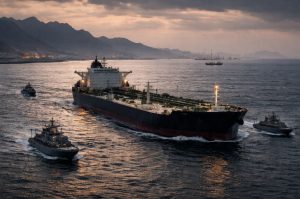 Global oil disruptions are pushing up wholesale fuel costs, which directly impact UK pump prices.
The ongoing conflict involving Iran has disrupted key global oil routes, particularly the Strait of Hormuz, through which a significant portion of the world’s oil supply passes.
Global Events Affect UK Fuel Prices
Even though the UK imports relatively little oil directly from the Middle East, oil is traded on a global market.
When supply is disrupted anywhere, prices rise everywhere.
This leads to:
- Higher wholesale fuel costs
- Increased transportation expenses
- Rising prices at UK petrol stations
Experts Say About Price Increases
Industry experts suggest that rising prices were already underway before recent geopolitical escalations.
“Pump prices are heading up wholesale costs had been increasing even before the weekend’s strikes. However, pump averages are still below where they started last year.”
— Luke Bosdet, AA Spokesman
This perspective helps separate ongoing trends from recent events, improving clarity for drivers.
Are Drivers Contributing to Petrol Shortages Through Panic Buying?
Yes, behavioural changes are contributing to localised shortages.
As prices rise, many drivers are choosing to fill up more frequently or earlier than usual. While this may seem sensible individually, it creates collective pressure on supply systems.
Panic Buying Affect Petrol Availability
When large numbers of drivers act at the same time:
- Demand spikes suddenly
- Fuel is depleted faster than expected
- Pumps may temporarily run dry
This creates the appearance of a shortage, even when supply is sufficient overall.
Real-Life Example
Consider a commuter who normally refuels once a week. If they begin topping up every few days due to price concerns, fuel demand effectively doubles.
Multiply this behaviour across thousands of drivers, and the impact becomes significant.
Is There a Real Risk of a Nationwide Fuel Shortage?
No, current evidence indicates there is no national shortage.
Fuel supplies across the UK remain stable. The issues being reported are localised and temporary.
What Is Actually Happening at Petrol Stations?
- Individual pumps may run out briefly
- Deliveries continue as scheduled
- Supply chains are still functioning
This is a logistical challenge, not a systemic failure.
How Do Supermarket Fuel Prices Compare Right Now?
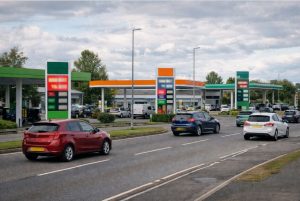 Price differences between major supermarkets are narrowing.
Historically, Asda was known for offering the lowest fuel prices. However, recent market conditions have reduced that gap.
Is Asda Still the Cheapest Option?
Not consistently.
Prices across major retailers such as Tesco, Sainsbury’s, and Morrisons are now much closer, reflecting shared exposure to rising wholesale costs.
Is Anyone Monitoring Fuel Pricing?
Yes. The Competition and Markets Authority (CMA) is actively monitoring fuel prices to ensure fair practices.
This added oversight aims to:
- Prevent excessive pricing
- Improve transparency
- Protect consumers
What Should UK Drivers Do as Petrol Prices Exceed 150p?
Stay calm, avoid panic buying, and manage fuel usage wisely.
The current situation, while frustrating, does not require drastic action.
Drivers can respond effectively by:
- Refuelling as needed rather than excessively
- Using fuel comparison apps to find better prices
- Driving efficiently to reduce consumption
These small actions can make a meaningful difference over time.
Conclusion
The situation may feel concerning, especially with rising prices and reports of empty pumps, but the reality is more controlled than it appears.
The UK is not facing a national fuel shortage. Instead, it is experiencing a combination of:
- Temporary supply-demand imbalances
- Rising global oil prices
- Increased consumer demand
As petrol prices remain above 150p, the focus for drivers should be on staying informed, avoiding panic-driven decisions, and adapting to short-term market conditions.
FAQ: Understanding UK Petrol Prices and Shortages
Why are some petrol stations running out of fuel?
This is due to temporary demand spikes and delivery timing, not a national shortage.
Is the UK running out of petrol?
No, overall fuel supply remains stable across the country.
Will petrol prices keep increasing?
Prices depend on global oil markets and geopolitical events, so further increases are possible.
What role does the government play in fuel pricing?
The government sets fuel duty and VAT, which form a large portion of pump prices.
Are supermarket petrol stations affected more than others?
Supermarkets have seen high demand, but the issue is industry-wide.
How can drivers save money on fuel right now?
Using price comparison apps and adopting efficient driving habits can help reduce costs.
Should drivers be worried about fuel availability?
There is no need for concern as shortages are temporary and localised.