







SNAPSHOT
Britain’s Cyprus Military Bases at a Glance
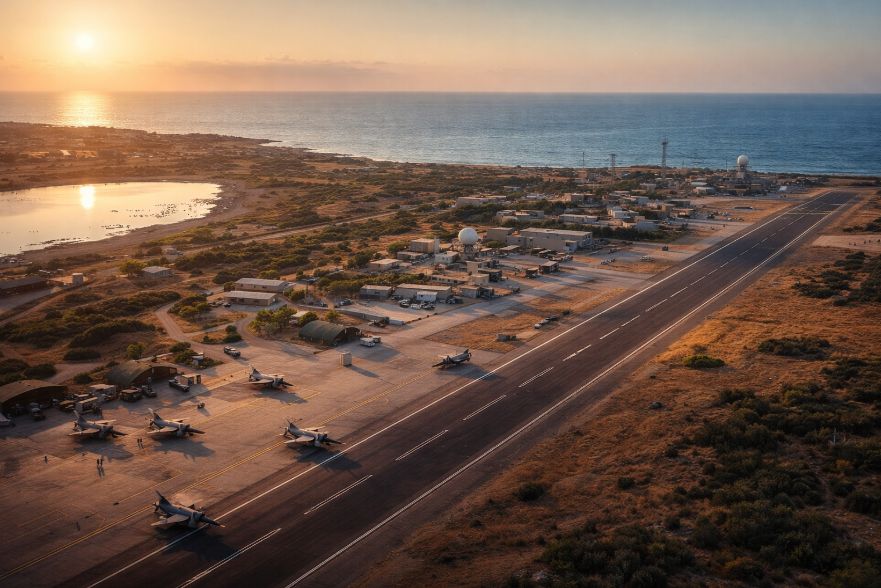
Akrotiri and Dhekelia are not ordinary overseas military installations. They are sovereign British territories retained after Cyprus gained independence in 1960, and they continue to shape UK defence, intelligence, and regional security strategy today.
Together, these bases cover 254 square kilometres and support military operations, intelligence networks, civilian communities, and protected ecosystems within a unique legal framework.
KEY TAKEAWAYS
- They are Sovereign Base Areas, not standard foreign bases.
- Critical for UK air power and intelligence.
- ~60% land owned by Cypriot civilians.
- Operate their own police, customs, and courts.
- Also protect wildlife and natural habitats.
Why Are Britain’s Cyprus Military Bases Called the Mediterranean’s “Unsinkable Aircraft Carrier”?
 Britain’s Cyprus military bases are often described as the Mediterranean’s “unsinkable aircraft carrier” because of their fixed strategic position in a geopolitically critical region. Unlike naval assets, which can move or be withdrawn, these bases provide a permanent and reliable platform for operations across Europe, the Middle East, and North Africa.
When Cyprus gained independence in 1960, the UK retained control over two areas Akrotiri and Dhekelia covering approximately 98 square miles. These areas were not retained casually; they were deliberately preserved to ensure the UK maintained a long-term strategic foothold in the Eastern Mediterranean.
In recent years (2024–2026), their importance has only increased. They have supported surveillance missions, rapid deployment operations, and regional defence coordination, particularly in response to instability in the Middle East. This makes them not only historically significant but also critically relevant in modern defence planning.
What Is the Legal Status of Akrotiri and Dhekelia?
Why are these bases “Sovereign” territory?
The legal foundation of the bases lies in the 1960 Treaty of Establishment, signed during Cyprus’s transition to independence. Under this agreement, Akrotiri and Dhekelia became Sovereign Base Areas (SBAs) meaning they are fully under British sovereignty.
This is a rare arrangement. Unlike UK bases in allied countries, which operate under host-nation agreements, these territories are legally British soil. The UK governs them directly, administers law, and maintains full military control.
Importantly, the UK agreed to use these areas primarily for military purposes and not for civilian expansion, which has shaped their development ever since.
The 2026 “Non-Negotiable” Stance
In April 2026, Al Carnes reaffirmed the UK’s position on the bases:
“The legal basis of these sovereign territories is rock solid and non-negotiable.”
This statement reflects ongoing geopolitical discussions, including occasional calls from Cypriot stakeholders to revisit the arrangement. However, the UK has consistently maintained that the legal status of the SBAs is firmly established under international law.
What Are 7 Lesser-Known Facts About Britain’s Cyprus Military Bases?
While Britain’s Cyprus military bases are widely recognised for their strategic importance, several lesser-known aspects reveal just how unique these territories are. The following facts provide deeper insight into their geography, governance, intelligence role, and environmental significance.
1. They Cover Around 3% of Cyprus
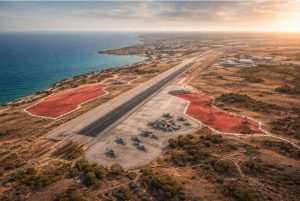 The Sovereign Base Areas (SBAs) of Akrotiri and Dhekelia together cover approximately 254 square kilometres, which accounts for about 3% of the entire island of Cyprus.
This is not a small footprint. In practical terms, this makes the SBAs larger than many major UK cities in terms of land area. Their size allows the UK to maintain extensive infrastructure, including airfields, housing, training areas, and administrative zones.
Their geographic spread also ensures access to both the southern coastline (Akrotiri) and the eastern region (Dhekelia), enhancing operational flexibility.
2. Much of the Land is Privately Owned
One of the most unusual aspects of the bases is that around 60% of the land is privately owned by Cypriot nationals.
This creates a rare situation where:
- British sovereignty exists alongside local ownership
- Civilian communities continue to live and work within the base areas
- Agricultural and residential land remains in private hands
This arrangement requires careful coordination between British authorities and local residents, ensuring that military operations coexist with everyday civilian life.
3. A Key Intelligence Hub
The Ayios Nikolaos Station, located within Dhekelia, is one of the UK’s most important overseas intelligence facilities.
It plays a central role in:
- Signals intelligence (SIGINT) collection
- Monitoring communications across the Eastern Mediterranean and Middle East
- Supporting allied intelligence-sharing networks
According to expert Helen Dexter:
This highlights how the bases are not just military outposts, but critical components of modern intelligence infrastructure.
4. Independent Police and Customs
 The SBAs function with their own internal governance systems, including dedicated law enforcement and customs authorities.
These institutions operate independently from the Republic of Cyprus, ensuring that British law is enforced within the bases while maintaining coordination with local authorities when necessary.
5. A Future “Mediterranean Research Lab”
In recent years, there have been discussions and early-stage plans (2025–2026) to develop parts of the SBAs into centres for innovation and sustainability.
These proposals include:
- Renewable energy projects
- Environmental research initiatives
- Technology and infrastructure development
While still evolving, this shift suggests that the bases may take on a dual role in the future combining military operations with research and development activities.
6. Hidden Surveillance Capabilities
Historically, the bases have supported advanced surveillance and radar systems, some of which remain classified.
These capabilities include:
- Long-range radar monitoring
- Communications interception
- Strategic observation of regional activity
Their location allows the UK and its allies to monitor developments across key regions, including parts of the Middle East and North Africa. Much of this activity operates discreetly, contributing to the perception of the bases as highly sensitive intelligence zones.
7. Important Wildlife Havens
 Despite their military function, the bases also serve as important environmental conservation areas.
Key ecological features include:
Restricted access to certain areas has helped preserve these ecosystems, preventing overdevelopment and mass tourism. As a result, the SBAs play an unexpected but vital role in environmental protection.
These seven facts demonstrate that Britain’s Cyprus military bases are far more complex than they first appear. They combine sovereignty, intelligence, civilian coexistence, and environmental stewardship making them one of the most unique military territories in the world.
What Is the Difference Between Akrotiri (WSBA) and Dhekelia (ESBA)?
RAF Akrotiri: The Heart of British Air Power in the Middle East
RAF Akrotiri serves as the UK’s primary air operations base in the Eastern Mediterranean. Its long runway and advanced infrastructure allow it to support a wide range of missions, including reconnaissance, logistics, and combat operations.
Its proximity to the Middle East makes it an ideal staging point for operations in regions such as Syria and Iraq. Over the past decade, it has become one of the RAF’s most active overseas bases.
Dhekelia Cantonment: The Strategic Intelligence Hub
Dhekelia plays a different but equally important role. It functions primarily as an army garrison and intelligence centre.
The presence of Ayios Nikolaos Station makes it a key location for signals intelligence. Its geography is particularly unusual, with enclaves of Cypriot villages located within or around the base boundaries, creating a complex administrative landscape.
Why Are These Bases Strategically Important in 2026?
A Regional Security Hub
The importance of these bases has been reinforced through Project APOLLO (2024–2026), a large-scale UK investment programme aimed at modernising infrastructure and enhancing operational readiness.
The scale of development highlights the UK’s long-term commitment to maintaining a strong presence in the region.
These bases provide the UK with rapid access to key global regions, enabling faster response times during crises.
How Does Life Work Inside the Bases?
British Law on Cypriot Soil
Life within the bases operates under a unique legal system. British law applies, but it is often aligned closely with Cypriot law to maintain harmony with surrounding communities.
This hybrid approach ensures legal clarity while respecting local realities.
The Role of the SBA Police and Customs
The SBAs maintain their own administrative services, including policing and customs enforcement. These institutions manage everything from routine law enforcement to border control, ensuring the smooth functioning of daily life.
How Do the Bases Contribute to Environmental Protection?
Protecting the Akrotiri Salt Lake
The Akrotiri Salt Lake is one of the most important wetland ecosystems in the Mediterranean. It supports migratory bird populations, including flamingos, making it a significant conservation site.
Conservation of Endangered Turtles
Restricted access to certain coastal areas has unintentionally created safe environments for endangered turtle species. These protections highlight an often-overlooked environmental role played by the military presence.
What Challenges Do the Bases Face in 2026?
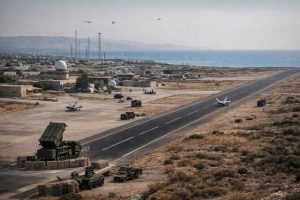 Modernising Infrastructure: Project APOLLO’s £700m Impact
The UK is investing heavily in upgrading infrastructure to meet modern standards. This includes improving housing, healthcare facilities, and structural resilience against natural risks such as earthquakes.
Protests and Political Pressure: The View from Nicosia
Despite their strategic value, the bases remain politically sensitive. Some Cypriots view them as remnants of colonial rule, leading to periodic protests and calls for change.
However, cooperation between the UK and Cyprus continues, particularly in areas of defence and regional security.
Can You Visit the British Bases in Cyprus?
Lady’s Mile Beach and Public Access Areas
Although these are military zones, certain areas are open to the public. Roads and beaches, including Lady’s Mile Beach, are accessible, offering a unique experience where civilian and military spaces coexist.
However, restricted zones remain strictly controlled for security reasons.
What Does the Future Hold for Britain’s Cyprus Military Bases?
Britain’s Cyprus military bases represent a complex blend of history, strategy, and modern geopolitics. While some view them as a colonial legacy, their strategic importance continues to grow.
With significant investment and ongoing geopolitical relevance, it is clear that these bases will remain a cornerstone of the UK’s defence strategy for years to come.
What Is the Final Verdict on Britain’s Cyprus Military Bases?
Britain’s Cyprus military bases remain a vital part of the UK’s global defence and intelligence network, continuing to play a key role in regional security in 2026. While some view them as a legacy of the past, ongoing investment and strategic use show they are firmly focused on the future.
At the same time, these areas are not purely military. They also include civilian communities, protected natural environments, and even public-access locations. For those planning to travel to Cyprus, this adds an interesting dimension where history, military presence, and everyday island life exist side by side.
In simple terms, these bases are both a strategic asset and a complex legacy, making them one of the most unique territories in the modern world.
FAQ About Britain’s Cyprus Military Bases
Are the British bases in Cyprus part of the EU?
No, they are not part of the EU, although special agreements regulate their relationship with EU laws.
Who lives on the British bases in Cyprus?
They are home to UK military personnel, their families, and a significant number of Cypriot civilians.
What role do the bases play in global security?
They act as key hubs for military operations, intelligence gathering, and rapid deployment.
Are the bases expanding?
While not expanding territorially, infrastructure and capabilities are being upgraded.
Why were these bases retained after independence?
They were considered essential for maintaining UK strategic interests in the region.
Do the bases affect Cyprus politically?
Yes, they remain a topic of political discussion and debate within Cyprus.
Is access restricted across the entire base?
No, some public areas are accessible, but sensitive military zones are restricted.