





In the world of broadcasting, where image and presence often dominate, the quiet strength of individuals like Elizabeth Rizzini speaks volumes.
As a trusted BBC weather presenter, Elizabeth has become a familiar face to millions across the UK. Yet beyond the daily forecasts and calm delivery, there is growing public curiosity about her personal life specifically, speculation around whether she lives with a disability.
While she has never publicly addressed such claims, the ongoing interest offers an opportunity to explore not only her professional journey but also the broader issues of disability awareness and representation in UK media.
This article examines what is publicly known about Elizabeth Rizzini, the role of speculation in shaping public discourse, and how the conversation around invisible disabilities is evolving within broadcasting and journalism.
What is Known About Elizabeth Rizzini’s Background and Career in Broadcasting?
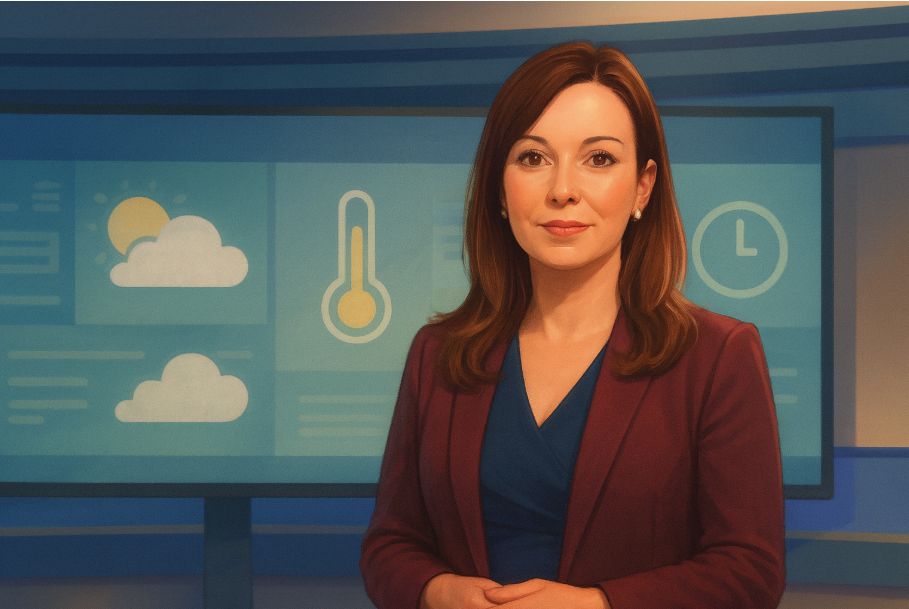
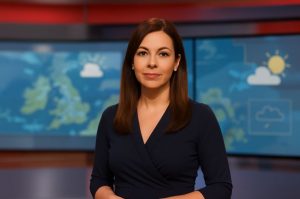 Elizabeth Rizzini is a prominent figure in British media, particularly known for her role as a BBC London weather presenter. Her calm delivery and articulate weather forecasts have earned her the trust and admiration of many viewers across the UK.
She began her professional journey in the field of science, working with the Met Office, which laid a strong foundation for her meteorological expertise.
With a passion for communication and public service, she transitioned into broadcasting, gradually becoming a key presenter for the BBC’s regional weather updates. Her academic background, paired with her confident on-screen presence, has made her a standout voice in meteorology.
Is Elizabeth Rizzini Living With a Disability?
There has been speculation online regarding Elizabeth Rizzini’s health and whether she lives with a disability. However, it’s important to state clearly that there is no public confirmation or official statement to support such claims.
The interest likely stems from the public’s fascination with media personalities and a tendency to interpret subtle cues or associations without verified facts. While these conversations can bring attention to disability awareness, they must be handled with care and respect for individual privacy.
Elizabeth has maintained a strong level of professionalism throughout her career, choosing to focus on her work rather than her personal life, which is her right. Until any information is publicly confirmed by her, it is inappropriate to assume details about her health.
How Do Disabilities Affect Professionals in the Media Industry?
Working in the media presents unique pressures, particularly for individuals managing health conditions or disabilities. The demand for live performance, the scrutiny of public opinion, and the need for constant adaptability can be intense, even for those in good health.
For those with visible or invisible disabilities, the environment can be even more challenging. Invisible conditions such as chronic pain, anxiety disorders, or autoimmune diseases can affect concentration, energy levels, and emotional well-being, all of which are critical in fast-paced broadcast environments.
Media professionals often face the expectation to deliver perfect performances under unpredictable circumstances. When managing a health issue simultaneously, this can lead to added emotional and physical strain. The experience of navigating these challenges, while staying committed to their craft, can demonstrate tremendous resilience.
What Challenges Has Elizabeth Rizzini Reportedly Faced in Her Career?
 Though Elizabeth Rizzini has not publicly disclosed specific personal struggles, her career in the spotlight undoubtedly comes with its own set of demands. Broadcasting requires constant preparation, time-sensitive delivery, and the ability to engage an audience daily, often under high pressure.
In her personal life, she was in a well-known relationship with Frank Gardner, the BBC Security Correspondent, who became a wheelchair user after being injured on assignment.
Their relationship brought public attention, especially from those interested in disability issues. While Elizabeth never publicly framed herself as a disability advocate, her association with Gardner may have influenced the way viewers perceive her empathy and understanding of such matters.
Professionally, she continues to show a calm and consistent presence, suggesting a deep internal resilience and commitment to her role, regardless of what personal or professional challenges may exist behind the scenes.
How Does Elizabeth Rizzini Inspire Others Facing Similar Struggles?
Elizabeth Rizzini’s quiet strength, evident through her sustained presence on television, makes her an inspiring figure, particularly for those dealing with their own private battles. In a media environment where personal stories are often shared for visibility or validation, Elizabeth stands out for her ability to command respect through her work alone.
This approach subtly champions the idea that a person’s value is not defined by their challenges, visible or not, but by their contributions and dedication. Her example is encouraging for those who seek to build careers while managing difficulties they may not wish to publicise.
Even without a confirmed diagnosis or disability, Elizabeth represents the many professionals who strive to maintain excellence while navigating the unspoken complexities of personal life, health, or emotional resilience.
Why is It Important to Discuss Invisible Disabilities in the Public Domain?
Invisible disabilities affect a significant portion of the UK population, yet they are often misunderstood or overlooked. Unlike physical disabilities, these conditions aren’t visible to others, which can result in a lack of empathy or recognition in both social and professional settings.
These conditions can include mental health disorders, chronic illnesses, autoimmune diseases, or neurological differences. In professional environments like broadcasting, individuals with these conditions may push themselves to maintain appearances and performance standards, often at a personal cost.
Raising awareness helps reduce stigma, creates more inclusive workplaces, and reminds society that not all disabilities are visible. The presence of media figures who succeed while quietly managing such issues, whether confirmed or assumed, fosters a deeper understanding of the diversity within the workforce.
How Does the Bbc Support Inclusivity and Disability Awareness?
The BBC, as a public service broadcaster, has committed to supporting inclusivity and promoting equal opportunities for employees with disabilities. From recruitment practices to workplace accommodations, the organisation strives to make its environment accessible and fair.
Here’s a summary of the BBC’s key inclusion initiatives:
| Area | Inclusion Initiative |
| Employment | Participation in the Disability Confident Employer scheme |
| Workplace Environment | Accessibility assessments and workplace adjustments |
| On-Screen Content | Representation goals for disability and diversity |
| Internal Culture | Staff networks and diversity training |
These policies aim to ensure that talented individuals, regardless of their health status or background, can thrive within the organisation. While there’s always room for improvement, the BBC has made significant progress in promoting diversity across all levels.
What Can We Learn From Elizabeth Rizzini’s Professional Journey?
 Elizabeth Rizzini’s career offers valuable lessons in perseverance, professionalism, and self-respect. Her consistent performance in the public eye, despite online speculation or external pressures, speaks to her focus and integrity.
Rather than engaging in personal revelations or controversy, she has built her credibility through her work. This demonstrates a powerful message: excellence and dedication can speak louder than any personal story. Her journey encourages professionals across all sectors to focus on their strengths and maintain boundaries that support their wellbeing.
Whether or not she lives with a disability, her approach shows that individuals can be role models without needing to explain or justify personal challenges. It also reminds the public to engage with media personalities through a lens of respect and understanding, rather than curiosity or speculation.
How is Disability Awareness Evolving in UK Media and Journalism?
Over the last decade, the UK media landscape has gradually become more inclusive, with greater visibility for people with disabilities in front of and behind the camera. Initiatives across major networks have promoted more representative hiring practices and inclusive programming.
Campaigns such as #RepresentationMatters and the work of organisations like Scope and the Disabled Journalists Association have helped shift attitudes. Nonetheless, challenges remain particularly when it comes to invisible disabilities, which are still not well represented or understood.
In this context, even those who do not publicly identify as disabled, like Elizabeth Rizzini, contribute to change. Their presence reminds audiences that strength comes in many forms, and that health should not define one’s potential or public image.
Conclusion
Elizabeth Rizzini stands as an example of quiet excellence in an industry known for intense scrutiny. Her journey shows that it is possible to maintain professionalism, privacy, and purpose, even while navigating personal challenges, whatever they may be.
The ongoing curiosity about her health status highlights the need for better public understanding of boundaries and invisible struggles. It also presents an opportunity to reflect on the importance of respecting individuals’ choices to keep their private lives private.
Whether living with a disability or not, Elizabeth’s story reinforces the importance of empathy, workplace inclusivity, and the quiet strength it takes to thrive in the spotlight.
FAQs
What kind of disability does Elizabeth Rizzini have?
There is no official information confirming that Elizabeth Rizzini has a disability. Speculations exist online, but they remain unverified.
Is Elizabeth Rizzini still working with the BBC?
Yes, she continues to work as a weather presenter for BBC London.
How do invisible disabilities impact daily life?
Invisible disabilities can affect energy, concentration, and wellbeing, often without others noticing. They may require adjustments that are not immediately obvious.
Why is representation of disabled people in media important?
It fosters greater understanding, breaks down stigma, and ensures all voices are heard and seen in society.
What support is available for disabled professionals in broadcasting?
Organisations like the BBC offer workplace adjustments, training, and participation in national inclusion schemes such as the Disability Confident programme.
Are there other UK TV presenters with disabilities?
Yes, including Frank Gardner and Sophie Morgan, both of whom are prominent figures and advocates for disability representation in media.
Has Elizabeth Rizzini spoken publicly about her health?
No. She has not made any public disclosures regarding her health or disability status, and such matters remain private.