






May 25, 2026
uk passport rules dual citizenship
Travel

UK Passport Rules Dual Citizenship 2026: What British Dual Nationals Must Know Before Travelling

Last Updated: May 2026

UK Passport Rules Dual Citizenship 2026: Quick Facts

Dual citizenship legal? Yes, dual citizenship remains legal in the UK.
Need UK ETA? No, British citizens are exempt from UK ETA requirements.
Best passport for UK entry A valid British passport is usually the safest option.
Main 2026 change Stricter airline checks, ETA screening, and travel document verification.
Risk if using foreign passport only Extra checks, delays, or possible boarding issues if British citizenship is unclear.

British dual nationals travelling to the UK in 2026 may face new confusion over passport requirements, border checks, and the rollout of the UK’s Electronic Travel Authorisation (ETA) system. While British citizens remain exempt from ETA requirements, many dual citizens are unclear about whether they can continue using a foreign passport to enter the UK or whether a valid British passport is now expected for smoother travel.

With airlines carrying stricter document verification responsibilities and updated border enforcement measures in place, understanding the latest UK passport rules for dual citizenship has become essential. This guide explains what changed in 2026, who is affected, and what British dual nationals should do before travelling to avoid delays or boarding issues.

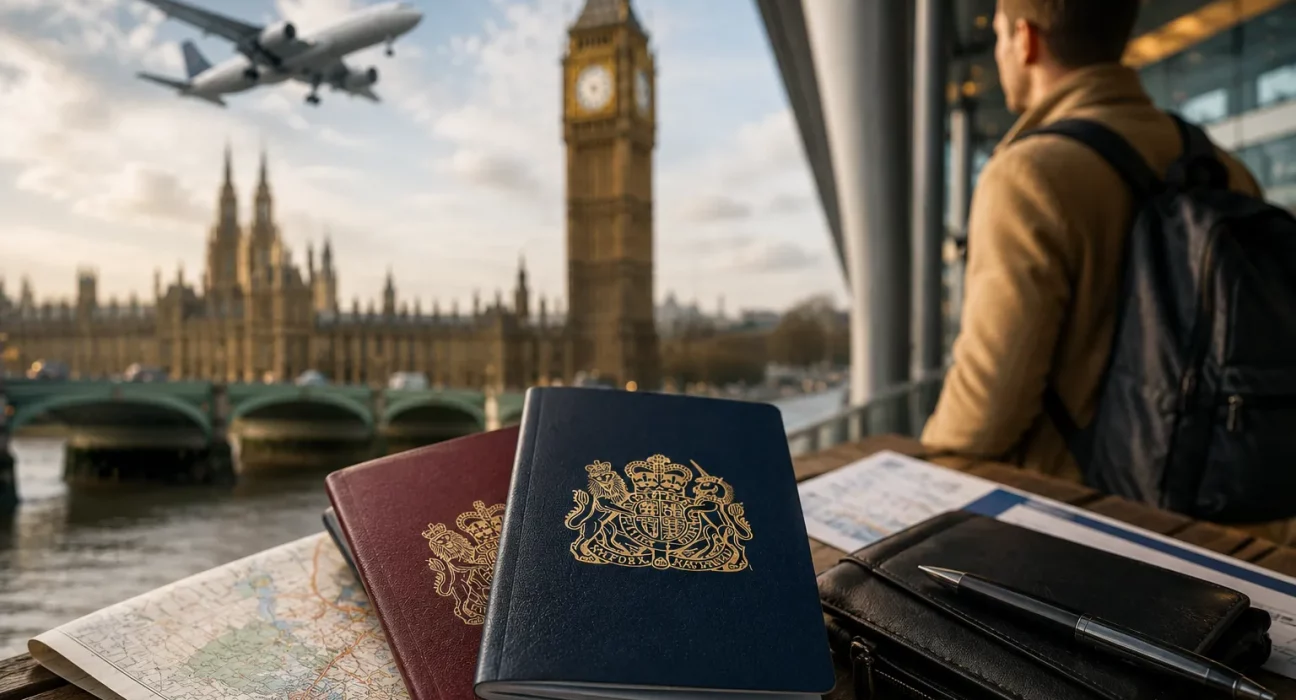
What Changed in UK Passport Rules for Dual Citizens in 2026?

What Changed in UK Passport Rules for Dual Citizens in 2026

The biggest development affecting UK Passport Rules Dual Citizenship 2026 is not a change to British dual citizenship law itself, but a major shift in how the UK verifies travel documentation before passengers even reach the border.

From 25 February 2026, the UK fully enforced stricter pre-travel document checks alongside the wider rollout of its Electronic Travel Authorisation (ETA) system. This means airlines, ferry operators, and rail carriers must now confirm that travellers have the correct permission, exemption, or citizenship documentation before boarding.

For British citizens who also hold another nationality, this has created an important practical change.

Although British dual nationals remain exempt from needing a UK ETA, relying solely on a foreign passport has become riskier. Travel systems assess the passport being presented, not simply the traveller’s full citizenship background. If British citizenship is not immediately clear, carriers may treat the passenger as a standard foreign traveller requiring additional verification.

This is why many British dual nationals who previously travelled using only a US, Canadian, or EU passport are now encountering more documentation questions than in previous years.

The wider 2026 travel environment has also become more verification-focused, with:

  • stricter airline document screening before departure
  • expanded digital travel authorisation checks
  • increased carrier compliance responsibilities
  • more automated border identity verification

These updates apply to all international travellers, but dual nationals can be affected more directly because passport choice now plays a bigger role in how travel eligibility is assessed.

In most cases, the UK expects British citizens to travel with:

  • a valid British passport
  • an Irish passport (where applicable)
  • a valid Certificate of Entitlement to the Right of Abode linked to another passport

Before ETA enforcement tightened, some dual nationals could travel more casually using a visa-exempt foreign passport without complications. That flexibility has narrowed significantly.

There are limited exceptions. In some cases, carriers may accept an expired British passport issued in 1989 or later alongside a valid foreign passport if personal details match, though this depends entirely on airline discretion and should not be treated as a reliable travel strategy.

Certain British citizens who obtained nationality after securing status under the EU Settlement Scheme may also have different documentation arrangements depending on their linked travel records.

The key takeaway for 2026 is straightforward: British dual nationals have not lost their entry rights, but proving those rights has become much more important before travelling to the UK.

Do British Dual Nationals Need a British Passport to Enter the UK?

For most British dual nationals, the safest answer in 2026 is yes.

If you hold British citizenship alongside another nationality, travelling to the UK using only your foreign passport could create avoidable problems. While British citizens still have the legal right to enter the UK, airlines and border systems now apply stricter document checks because of the wider rollout of the UK’s Electronic Travel Authorisation (ETA) system.

The issue is simple: British citizens do not need an ETA, but many foreign nationals do. If a dual citizen presents only a foreign passport, airline systems may initially treat them as a non-British traveller unless they can clearly prove their British citizenship.

That can lead to extra questions, document verification, or delays before boarding.

A valid British passport remains the clearest proof that you can enter the UK without immigration permission.

For travellers who previously relied on a US, Canadian, or EU passport for convenience, this is where confusion has increased in 2026.

Common Travel Scenarios for British Dual Nationals

Situation Likely Outcome
British-American travelling with US passport only Airline may ask for proof of British citizenship
British citizen with expired UK passport Possible delays or additional document checks
British-EU traveller using only EU passport Extra verification depending on airline
Child with dual nationality Citizenship documents may be reviewed
Traveller with valid British passport Smoothest entry experience


Children with dual nationality can also face additional checks if they are travelling with only a foreign passport and their British citizenship is not immediately clear from the documents presented.

This does not mean British dual nationals have lost their entry rights. It simply means proving those rights has become more important under the UK’s stricter 2026 travel documentation rules.

Which Passport Should Dual Nationals Use When Travelling?

One of the most practical questions around UK Passport Rules Dual Citizenship 2026 is which passport dual nationals should use when travelling.

For British citizens holding another nationality, the safest approach is usually simple: use your British passport when entering or leaving the UK, and use your second passport when entering your other country of nationality.

Using the correct passport helps avoid airline confusion, unnecessary document checks, and travel delays.

Entering and Leaving the UK

If you are a British citizen, travelling with your British passport remains the simplest option.

This helps:

  • confirm your citizenship immediately
  • avoid ETA-related confusion
  • reduce airline verification issues
  • speed up UK border processing

Although British citizens cannot normally be refused entry to the UK, presenting only a foreign passport may trigger extra questions if your British citizenship is not immediately clear.

Entering Your Second Country of Nationality

If you are travelling to the country of your second citizenship, using that country’s passport is often the most practical choice.

Benefits may include:

  • avoiding visa requirements
  • using local citizen entry lanes
  • reducing immigration checks
  • avoiding visitor stay restrictions

For example, a British-Canadian dual national would usually:

  • leave the UK using their British passport
  • enter Canada using their Canadian passport
  • return to the UK using their British passport

What If Your Passport Names Are Different?

Dual nationals sometimes have slight name differences across passports because of marriage, legal name changes, or spelling variations.

This can create airline check-in issues if the booking name does not match the passport being used.

To reduce problems:

  • book flights using the exact passport name
  • carry supporting documents if needed
  • check airline document requirements before travel

The key rule is straightforward: use the passport that gives you the clearest legal entry rights for the country you are entering.

Which Dual Citizens Are Affected?

Which Dual Citizens Are Affected

The 2026 UK travel documentation changes mainly affect British citizens who also hold another nationality and usually travel using their non-British passport. While the legal right to enter the UK as a British citizen has not changed, stricter airline verification checks and ETA-related travel screening mean some dual nationals may face more questions than before.

Here are the main groups most likely to be affected.

British-American Dual Citizens

British-American travellers are among the most likely to experience confusion under the 2026 rules.

Many British citizens living in the United States have historically travelled to the UK using only their US passport because it was convenient and previously caused few issues. However, because US passport holders now fall within the wider UK ETA framework unless exempt, airline systems may initially expect standard travel authorisation unless British citizenship is clearly identified.

If you are a British-American dual citizen, travelling with a valid British passport is generally the simplest way to avoid delays or documentation questions at check-in.

British-EU Dual Nationals

British citizens who also hold an EU passport may also be affected, especially those who became used to travelling freely between the UK and Europe using their EU nationality documents.

Although some British-EU travellers may have existing linked immigration records or specific exemptions, relying solely on an EU passport can create extra verification checks if airline staff cannot immediately confirm British citizenship status.

This is particularly relevant for travellers who naturalised as British citizens after already holding another European nationality.

British-Canadian Dual Citizens

British-Canadian dual nationals face a similar issue to British-American travellers.

Because Canadian passport holders are typically treated as visa-exempt foreign visitors, presenting only a Canadian passport may create confusion where British citizenship is not clearly shown in travel records.

That does not mean entry will be refused simply because a British passport is not presented, but travellers may face additional document checks, boarding delays, or requests for supporting proof of nationality.

Children With Dual Nationality

Children who hold British citizenship alongside another nationality can also be affected.

Parents often travel with children using whichever passport is most convenient, but under stricter 2026 checks, carriers may ask for additional documentation if a child’s British citizenship status is unclear.

This may be more relevant where:

  • the child was born abroad
  • the British passport has expired
  • nationality documentation differs between parents and child
  • travel records show mixed nationality use

Parents travelling with dual-national children should ensure documentation is consistent before departure.

Right of Abode Holders

Travellers with a Certificate of Entitlement to the Right of Abode are another group that may be affected.

Right of abode status allows qualifying individuals to live and enter the UK without immigration restrictions, even if they are not travelling on a British passport.

However, airline carriers may still need clear documentation before allowing boarding, meaning travellers relying on right of abode proof should check their paperwork carefully before travelling.

Does the UK ETA Apply to British Dual Citizens?

One of the biggest areas of confusion in 2026 is whether British dual nationals need a UK Electronic Travel Authorisation (ETA).

The short answer is no-British citizens do not need an ETA to enter the UK.

The ETA system applies to eligible foreign nationals travelling to the UK without a visa for short stays. It acts as a pre-travel security authorisation, similar to systems already used in countries such as the United States.

However, confusion begins when a British dual citizen travels using only their foreign passport.

For example, if a British-American dual national presents only a US passport when booking or checking in, airline systems may initially treat them as a standard foreign traveller who requires ETA clearance. The same issue can affect British-Canadian or British-EU dual nationals depending on the passport used.

That does not mean British citizenship rights disappear. It simply means the travel system can only assess the documentation presented.

This is why many travel advisers now recommend that British dual nationals use a valid British passport when travelling to the UK wherever possible. Doing so immediately confirms ETA exemption and reduces the risk of unnecessary questions.

Travellers who rely on alternative documentation, such as right of abode evidence, should ensure everything is valid and easily accessible before departure.

Who Needs UK ETA?

Generally, ETA applies to:

  • visa-exempt foreign nationals travelling to the UK
  • visitors arriving for tourism, short business trips, or transit
  • travellers entering using non-British nationality documents

Who Does Not Need ETA?

ETA does not apply to:

  • British citizens
  • Irish citizens
  • travellers with valid UK immigration permission
  • certain exempt status holders

For dual nationals, the key issue is not legal eligibility but which passport is used during travel.

Can Airlines Refuse Boarding to Dual Citizens?

Yes, in some circumstances, airlines can refuse boarding if a traveller cannot show the correct documentation required for UK entry.

This is not unique to British dual nationals. Airlines are responsible for checking passenger travel documents before departure, particularly under stricter digital travel authorisation systems such as ETA.

If a traveller appears to require permission to enter the UK but cannot prove they are exempt, the airline may pause boarding until the documentation is verified.

This is where dual nationals can run into problems.

A British citizen travelling with only a foreign passport may appear, at first glance, to be a non-British traveller who requires ETA approval. If the airline cannot quickly confirm British citizenship status, extra checks may follow.

Possible triggers for airline verification include:

  • travelling with a foreign passport only
  • nationality mismatch between booking and travel documents
  • expired British passport
  • incomplete right of abode evidence
  • unclear citizenship records

Airlines do not make immigration decisions, but they do carry compliance responsibilities. If documentation is unclear, carriers may choose the cautious approach to avoid penalties linked to transporting incorrectly documented passengers.

That is why British dual nationals are increasingly being advised to avoid assumptions based on past travel habits. A route that worked smoothly in previous years may now involve additional scrutiny under the UK’s updated 2026 travel verification system.

For most travellers, carrying a valid British passport remains the simplest way to avoid boarding complications.

What Should Dual Citizens Do Before Travelling?
What Should Dual Citizens Do Before Travelling

For British dual nationals, the safest approach in 2026 is to prepare travel documents well before departure rather than relying on assumptions based on previous trips. While the legal right to enter the UK has not changed for British citizens, the way airlines and border systems verify that right has become much stricter.

A few simple checks before travelling can help avoid delays, boarding issues, or unnecessary confusion.

Confirm Your Citizenship Status

If you hold more than one nationality, make sure you understand exactly how your citizenship status affects UK entry rules.

Some travellers assume that because they have always entered the UK using a foreign passport, the same process will continue without issue. In reality, updated travel verification systems may treat travellers differently depending on the documents presented.

If you are a British citizen, proving that status clearly matters.

Renew an Expired British Passport

A valid British passport remains the simplest and most reliable proof of your unrestricted right to enter the UK.

If your passport has expired, do not assume airlines will automatically accept alternative explanations or older travel history. Some exceptions may exist in limited cases, but relying on them increases risk.

Renewing your British passport before travel is usually the safest option.

Check Whether ETA Rules Apply

British citizens do not need a UK ETA, but travellers using foreign passports may trigger standard travel authorisation checks depending on the nationality shown.

Before travelling, confirm:

  • whether your foreign passport nationality falls within ETA requirements
  • whether your British citizenship exemption is clearly supported by your travel documents
  • whether alternative documents are valid for your journey

This can prevent last-minute surprises at check-in.

Verify Airline Documentation Requirements

Airlines are responsible for checking travel eligibility before departure.

That means carrier requirements can sometimes be stricter in practice than travellers expect.

Before booking or flying, check:

  • passport validity rules
  • documentation expectations
  • proof of citizenship requirements
  • right of abode documentation acceptance

Even where UK rules allow entry, airlines may still require clearer verification before boarding.

Carry Supporting Documents

If you are not travelling with a valid British passport, supporting evidence becomes much more important.

Useful documents may include:

  • valid foreign passport
  • expired British passport (where relevant)
  • certificate of entitlement to right of abode
  • proof of British citizenship
  • supporting travel records if requested

The more clearly your documentation confirms your status, the smoother your journey is likely to be.

For most British dual nationals, the simplest advice is straightforward: travel with valid documentation, check the latest rules, and avoid assuming older travel habits will still work in 2026.

How Do UK Passport Renewal Rules Apply to Dual Citizens?

For British dual nationals, UK passport renewal rules are generally the same as they are for any other British citizen. Holding another nationality does not create a separate passport renewal system or special legal category.

If you are a British citizen, you can renew your UK passport through the standard government process, whether you hold one additional nationality or several.

In most cases, dual citizenship itself does not affect renewal. However, practical delays can happen if your documentation is inconsistent or personal details do not match across records.

When Can Renewal Delays Happen?

Passport applications may take longer if:

  • your name differs across multiple passports
  • citizenship records need clarification
  • supporting identity documents are incomplete
  • personal details have changed since your last application

The issue is usually documentation accuracy rather than dual nationality itself.

What About Different Names Across Passports?

Some dual nationals hold passports with slight name differences due to:

  • marriage or divorce
  • middle name variations
  • alternative spellings
  • transliteration differences between languages

This may not create a legal problem, but it can lead to practical issues during:

  • airline check-in
  • visa applications
  • border verification
  • passport renewal checks

If your documents differ, carry supporting evidence where needed and make sure travel bookings match the passport being used.

Renewal Advice for Dual Nationals

Before travelling, check:

  • your British passport is still valid
  • your passport expiry date meets airline and destination rules
  • personal details match across documents
  • child passport paperwork is fully resolved where relevant

For most British dual nationals, passport renewal remains straightforward, but renewing early helps avoid last-minute travel disruption.

Conclusion

For British dual nationals, the biggest 2026 change is not citizenship law, but how travel documentation is checked before boarding. While British citizens remain exempt from UK ETA requirements, relying solely on a foreign passport may create delays or extra verification. Travelling with the correct passport and checking documentation before departure remains the simplest way to avoid disruption.

Source:

FAQs

Can dual citizens enter the UK with a foreign passport?

Yes, in some cases, British dual nationals may still be able to enter the UK using a foreign passport, but this can create additional checks or delays if British citizenship is not immediately clear. A valid British passport remains the simplest way to prove unrestricted entry rights and avoid confusion during airline verification or border screening.

Do British dual nationals need a British passport?

British citizens are not legally required in every situation to hold a British passport to enter the UK, but in practical terms, travelling with a valid British passport is strongly recommended in 2026. Airlines and digital travel systems rely on the documents presented, and a foreign passport alone may trigger ETA-related questions or extra verification.

What Happens If My British Passport Has Expired?

An expired British passport can create complications, especially during airline check-in where documentation must be verified before boarding. Some limited exceptions may apply depending on individual circumstances, but travellers should not rely on expired documents as their main proof of eligibility. Renewing before travel is usually the safest option.

Does ETA Apply to British Citizens?

No. British citizens do not need a UK Electronic Travel Authorisation (ETA) to enter the UK.

However, confusion can arise when a British dual national travels using only a foreign passport, as airline systems may initially assess the traveller based on the nationality shown in the passport being used.

Can Children With Dual Nationality Use Foreign Passports?

Children with British dual nationality may be able to travel using a foreign passport, but additional documentation checks can happen if British citizenship status is unclear.

Parents should ensure all nationality and travel documents are accurate and consistent before departure.

Can Airlines Deny Boarding?

Yes. Airlines have compliance responsibilities to verify passenger travel documentation before departure.

If a traveller cannot clearly prove they have permission or exemption to enter the UK, carriers may delay boarding or refuse travel until documentation is confirmed.

This is why British dual nationals should check their documents carefully before travelling.