







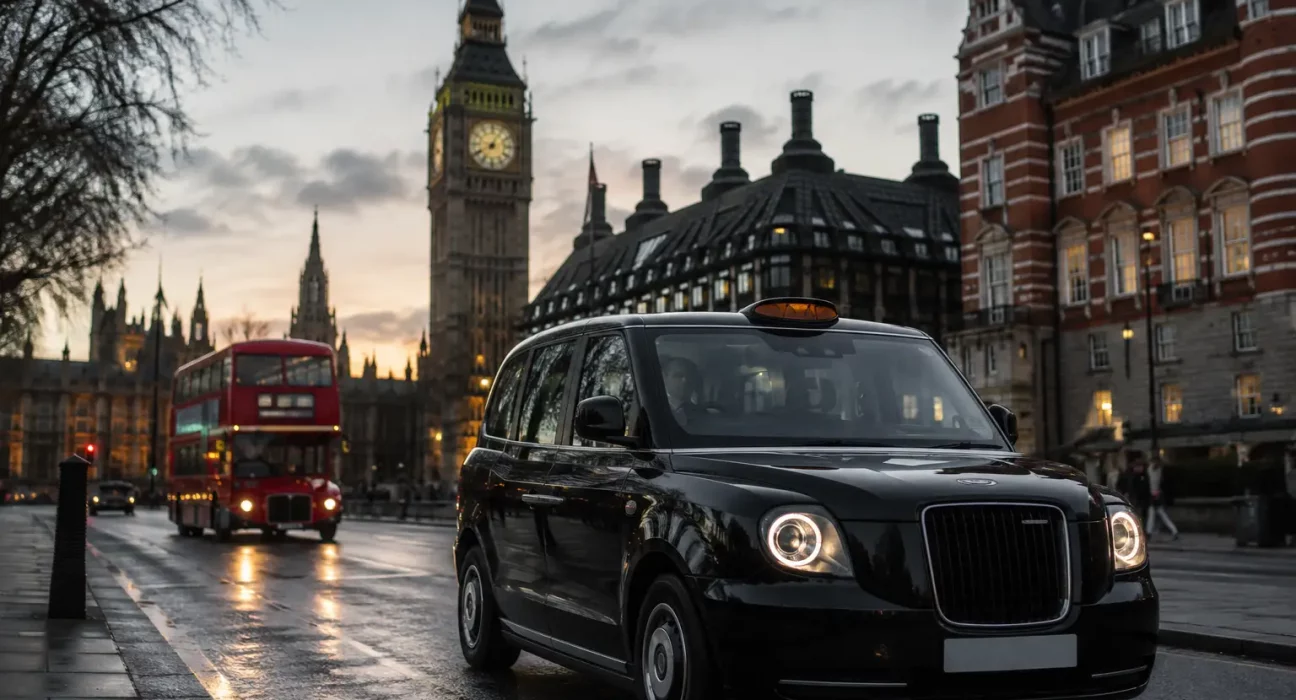
London’s black cabs are among the most recognisable symbols of the capital, renowned for their distinctive appearance, highly trained drivers and the rigorous licensing standards required to operate one.
But for many people considering a career in the trade—or simply curious about the profession—the biggest question remains: how much do London black cab drivers actually earn?
Unlike employees who receive a fixed salary, most London black cab drivers are self-employed. Their income depends on several factors, including the number of hours they work, passenger demand, the type of journeys they complete and the operating costs involved in running a licensed taxi.
While some drivers choose to work standard daytime shifts, others maximise their earnings by covering evenings, weekends, airport transfers and major events.
According to Transport for London’s taxi fare structure, licensed taxi fares are regulated and calculated using an approved taximeter, providing consistency for both passengers and drivers.
Drivers must also meet strict licensing requirements before entering the trade, including passing The Knowledge, one of the world’s most demanding professional route-learning qualifications. Readers can learn more through Transport for London’s guidance on becoming a licensed taxi driver and London taxi fares.
This guide explains what London black cab drivers can realistically expect to earn in 2026, how gross earnings differ from take-home pay, the business expenses that reduce taxable profit and whether becoming a licensed black cab driver remains a financially worthwhile career.
Quick Answer
A full-time London black cab driver typically generates between £45,000 and £65,000 in annual gross revenue, although actual earnings vary considerably depending on working hours, demand and experience. After deducting business expenses such as vehicle finance, insurance, fuel or charging costs, maintenance and licensing, many drivers take home an estimated £30,000 to £45,000 per year before personal income tax.
Experienced drivers who regularly work busy evening shifts, weekends, airport journeys and high-demand periods may earn significantly more, while newly qualified drivers often earn less during their first year as they establish efficient working patterns and a regular customer base.
How Much Do London Black Cab Drivers Earn in 2026?
There is no fixed salary for a London black cab driver because the trade operates on a self-employed basis. Income depends on how effectively a driver manages their business, controls expenses and takes advantage of busy trading periods throughout the year.
The table below provides realistic industry estimates for full-time drivers in 2026.
| Time Period | Estimated Gross Revenue | Estimated Take-Home Pay* |
| Hourly | £20–£35 | £13–£22 |
| Daily | £150–£300 | £100–£200 |
| Weekly | £900–£1,300 | £600–£900 |
| Annual | £45,000–£65,000 | £30,000–£45,000 |
Estimated take-home pay refers to business profit after operating expenses but before personal Income Tax and National Insurance liabilities.
Drivers working fewer hours may earn considerably less, while experienced operators who consistently work premium shifts, airport runs and corporate bookings can exceed these averages.
Several factors contribute to these differences, including:
- Working hours each week.
- Peak evening and weekend tariffs.
- Airport and long-distance journeys.
- Seasonal tourism.
- Corporate and repeat customers.
- Operating an electric rather than an older diesel taxi.
- Keeping business costs under control.
Rather than focusing solely on annual turnover, prospective drivers should consider how much of that income remains after covering day-to-day operating costs.
Gross Earnings vs Take-Home Pay
One of the biggest misconceptions about black cab driver earnings is that every fare collected becomes personal income. In reality, London black cab drivers operate as self-employed businesses and must pay all of their own running costs before calculating taxable profit.
Gross earnings represent the total value of fares collected during the year. Take-home pay, however, is the amount left after deducting legitimate business expenses and then settling any Income Tax and National Insurance due through HM Revenue & Customs’ Self Assessment process.
A simplified calculation looks like this:
Gross fare revenue − Business expenses = Taxable profit
After taxable profit has been calculated, Income Tax and National Insurance are applied according to the driver’s individual circumstances.
For example, a driver generating £60,000 in annual fare revenue who spends £22,000 on vehicle finance, insurance, electricity or fuel, maintenance, licensing and other business costs would report approximately £38,000 as business profit before tax.
This distinction is important because many salary comparison websites quote gross figures without explaining the significant operating costs involved in running a licensed London taxi.
What Expenses Reduce a Black Cab Driver’s Income?
Running a London black cab is comparable to operating a small business. While drivers have the opportunity to earn a good living, they must also budget for a wide range of ongoing costs throughout the year.
Vehicle Costs
For many drivers, purchasing or financing a taxi represents the single largest expense.
Modern London taxis are predominantly the LEVC TX, a purpose-built Zero Emission Capable vehicle designed specifically for the capital’s licensing requirements. Buying a new vehicle can require a substantial investment, while many drivers choose finance or leasing arrangements that spread costs over several years.
Vehicle ownership also includes:
- Comprehensive taxi insurance.
- Routine servicing.
- MOTs and mandatory inspections.
- Tyres and repairs.
- Vehicle cleaning and valeting.
These costs can vary significantly depending on annual mileage and the age of the vehicle.
Running Costs
Daily operating expenses also have a major impact on profitability.
Drivers must budget for:
- Fuel or electricity.
- Card payment processing charges.
- Taxi licensing fees.
- Communication or dispatch services.
- Accounting and bookkeeping.
- Mobile phone and business software.
- Miscellaneous business supplies.
Electric taxis generally have lower day-to-day energy costs than older diesel models, although this advantage must be balanced against vehicle purchase or finance costs.
Because London black cab drivers are self-employed, many legitimate business expenses may be deductible when completing a Self Assessment tax return, provided they meet HM Revenue & Customs’ guidance on allowable business expenses for the self-employed.
Understanding and managing these costs is just as important as generating fare income. Two drivers with identical annual revenue can take home very different amounts depending on how efficiently they control their operating expenses.
What Factors Affect a Black Cab Driver’s Earnings?
Although London’s regulated taxi fares provide consistency, no two black cab drivers earn exactly the same amount. Income can vary significantly depending on how and when a driver chooses to work.
Working Hours and Shift Patterns
The number of hours worked each week has the biggest influence on earnings. Many full-time drivers work between 40 and 60 hours, while others extend their schedules during busy periods to increase their annual income.
Transport for London (TfL) operates different fare tariffs depending on the time of day. Evening, overnight, weekend and public holiday journeys are charged at higher tariff rates than standard daytime trips, allowing drivers covering these shifts to generate more revenue from fewer journeys.
Experience and Local Knowledge
Experience also plays a significant role. Newly qualified drivers often spend their first year learning where demand is strongest, while experienced drivers develop efficient working patterns that reduce downtime between fares.
Drivers who understand passenger flows around railway stations, theatres, sporting events and business districts are generally able to maximise productive driving time throughout the day.
Airport Journeys
Airport transfers can generate higher-value fares than many city-centre journeys. Heathrow Airport remains one of the busiest destinations for London’s licensed taxis, although drivers may also spend time waiting in designated feeder parks before collecting passengers.
The balance between waiting times and higher fare values often determines whether airport work is financially worthwhile on a particular day.
Tourism and Seasonal Demand
Tourism continues to support demand for London’s iconic black cabs. Visitor numbers typically increase during school holidays, Christmas, major sporting events and summer months, creating additional earning opportunities.
Large concerts, exhibitions and conferences can also generate substantial demand, particularly in Central London.
Electric Vehicles and Running Costs
Modern Zero Emission Capable (ZEC) taxis have become increasingly common across London’s taxi fleet. Although purchasing or financing an electric taxi can require a significant investment, lower charging costs compared with diesel fuel can help reduce day-to-day operating expenses over time.
TfL continues to encourage the transition towards cleaner taxis through its licensing policies and environmental strategy, helping to improve London’s air quality while supporting a more sustainable taxi fleet.
How Much Can a Newly Qualified Black Cab Driver Expect to Earn?

Qualifying as a London black cab driver is a significant achievement, but most drivers should not expect to reach their maximum earning potential immediately.
After completing The Knowledge and obtaining a taxi driver’s licence, many drivers spend their first year refining their working routines, identifying profitable locations and building confidence during busy periods.
Entry-level drivers often generate lower annual profits because they may:
- Work fewer hours while establishing themselves.
- Spend more time between fares.
- Continue paying higher vehicle finance costs.
- Develop experience with customer demand throughout London.
As confidence grows, many drivers improve both efficiency and earnings by learning which areas consistently provide strong passenger demand at different times of the day.
Black Cab vs Uber Driver Earnings
Many prospective drivers compare London’s traditional black cabs with app-based ride-hailing platforms. While both involve transporting passengers for payment, the business models are very different.
| Feature | London Black Cab | Uber Driver |
| Employment status | Self-employed | Worker/self-employed depending on arrangement |
| Fare pricing | Regulated TfL meter fares | App-based pricing with dynamic fares |
| Street hails | Yes | No |
| Taxi ranks | Yes | No |
| Bus lane access | Permitted in many locations | Generally not permitted |
| Platform commission | None on street hails; booking fees may apply through apps | Commission deducted from fares |
| Qualification | The Knowledge and TfL taxi licence | Private hire licensing requirements |
Black cab drivers generally benefit from regulated fares, the ability to accept street hails and access to taxi ranks across London. However, they also face higher barriers to entry, longer training periods and greater upfront investment in specialist vehicles.
Uber drivers typically enter the industry more quickly, but their earnings are influenced by platform commission, pricing algorithms and market competition.
Neither model is universally better; profitability depends on an individual’s working pattern, business costs and preferred way of operating.
Is Becoming a London Black Cab Driver Worth It in 2026?
For many people, becoming a licensed London black cab driver remains an attractive long-term career option.
The profession offers flexibility, independence and the opportunity to operate a self-employed business while serving one of the world’s busiest cities.
However, it also requires a considerable commitment.
Advantages include:
- Flexible working hours.
- Regulated taxi fares.
- Strong public recognition and trust.
- Access to taxi ranks and street hails.
- Potential to earn a solid income through effective business management.
Challenges include:
- Completing The Knowledge.
- Significant vehicle investment.
- Ongoing operating costs.
- Managing taxes and business finances.
- Income fluctuations during quieter trading periods.
For individuals prepared to invest the time required to qualify and manage their business effectively, London’s black cab trade continues to offer competitive earning potential.
Real-Life Earnings Example
Consider a licensed black cab driver working approximately five and a half days each week using a modern electric taxi.
During a typical year, the driver generates around £58,000 in gross fare revenue.
After deducting finance payments, insurance, charging costs, maintenance, licensing fees, card processing charges and other business expenses totalling approximately £21,000, the driver’s taxable business profit is around £37,000 before Income Tax and National Insurance.
Although actual figures vary from one driver to another, this example demonstrates why gross revenue should never be confused with take-home income.
Estimated London Black Cab Driver Earnings (2026)
| Driver Type | Hours per Week | Estimated Gross Revenue | Estimated Operating Costs | Estimated Take-Home Pay* |
| Part-time | 20–30 | £20,000–£35,000 | £8,000–£12,000 | £12,000–£23,000 |
| Full-time | 40–50 | £45,000–£65,000 | £15,000–£22,000 | £30,000–£45,000 |
| Experienced | 50–60 | £60,000–£75,000 | £18,000–£24,000 | £40,000–£52,000 |
| High Earner | 60+ | £75,000+ | Varies | £55,000+ |
*Estimated business profit before personal Income Tax and National Insurance. Individual results will vary.
Tips for Maximising Earnings
Drivers looking to improve their income often focus on increasing productivity rather than simply working longer hours.
Some practical strategies include:
- Working during evening and weekend peak demand.
- Taking advantage of major events and seasonal tourism.
- Building relationships with regular corporate customers.
- Managing vehicle maintenance proactively to reduce downtime.
- Keeping accurate business records for tax purposes.
- Monitoring operating costs regularly.
- Using an electric taxi where it is financially suitable.
- Staying informed about licensing and industry developments.
Small improvements in efficiency can make a noticeable difference to annual profitability.
Key Takeaways
- London black cab drivers are generally self-employed and do not receive a fixed salary.
- A typical full-time driver may generate £45,000 to £65,000 in annual gross revenue.
- After business expenses, many drivers retain approximately £30,000 to £45,000 before personal taxes.
- Working patterns, experience and operating costs have a significant impact on earnings.
- Electric taxis may reduce day-to-day running costs compared with older diesel vehicles.
- Becoming a licensed black cab driver requires completing The Knowledge and meeting TfL’s licensing requirements.
Conclusion
London’s black cab trade remains one of the most respected professions within the UK’s transport sector. Although the career demands significant commitment, extensive training and ongoing business management, it also offers the opportunity to build a sustainable self-employed income.
For most drivers, success depends not only on how much revenue they generate but also on how effectively they manage operating costs, choose profitable working hours and adapt to changing passenger demand. Those who approach the profession as a business rather than simply a driving job are often best placed to achieve strong long-term earnings.
If you’re considering becoming a London black cab driver, it’s worth researching the licensing process, understanding the costs involved and speaking to experienced drivers before making your decision. A realistic understanding of both the opportunities and the challenges will help you decide whether this unique profession is the right fit for you.
FAQs
How much do London black cab drivers earn per day?
Many full-time drivers generate between £150 and £300 in gross fares during a typical working day, although earnings vary depending on shift patterns, demand and journey types.
Are London black cab drivers self-employed?
Yes. Most licensed London black cab drivers operate as self-employed sole traders and are responsible for managing their own business expenses and tax obligations.
How much do black cab drivers take home after expenses?
Industry estimates suggest that many full-time drivers retain approximately £30,000 to £45,000 per year before Income Tax and National Insurance after deducting operating costs.
Do black cab drivers earn more than Uber drivers?
It depends. Black cab drivers often benefit from regulated fares, street hails and taxi rank access, while Uber drivers generally have lower barriers to entry. Individual earnings vary according to working patterns and business costs.
How long does it take to become a London black cab driver?
Completing The Knowledge typically takes several years, although the exact timeframe varies between individuals.
Are electric black cabs cheaper to run?
Electric taxis generally have lower day-to-day energy costs than older diesel vehicles, but purchase or finance costs should also be considered when assessing overall running costs.
What are the biggest expenses for black cab drivers?
The main costs usually include vehicle finance or leasing, insurance, servicing, electricity or fuel, licensing fees, maintenance and card payment charges.
Can new black cab drivers earn a good living?
Yes, although many newly qualified drivers earn less during their first year while building experience and establishing efficient working routines.
Is becoming a London black cab driver worth it in 2026?
For people seeking an independent, self-employed career with flexible working hours, becoming a licensed London black cab driver can still offer attractive long-term earning potential, provided they understand the financial commitment involved.
Leave feedback about this