







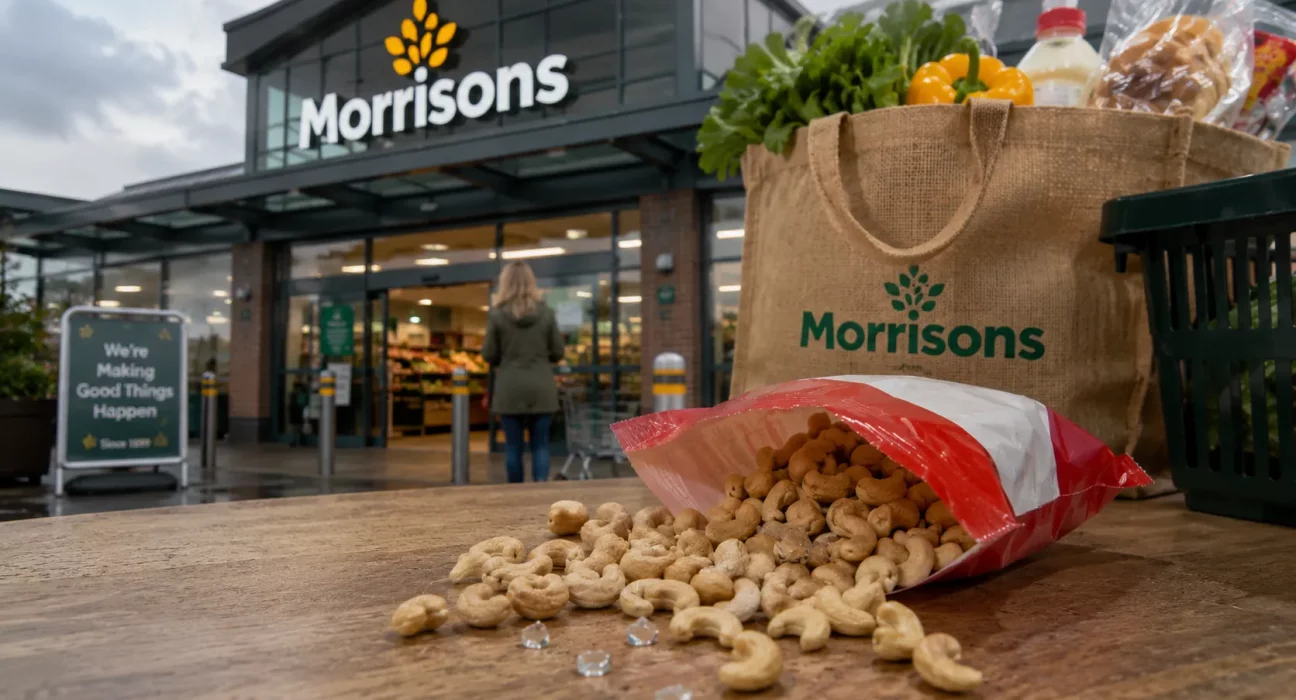
Morrisons Savers Cashew Recall: Quick Consumer Alert
Morrisons has urgently recalled selected Savers Cashew Nuts after fears that some packets may contain glass fragments. UK shoppers are advised to check packaging details immediately and avoid consuming affected products.
Key Takeaways
Recall Reason
Possible presence of glass fragments inside selected packets.
Affected Product
Morrisons Savers Cashews 125g only.
Health Risk
Glass contamination may cause cuts, internal injuries, or digestive damage.
Consumer Advice
Do not eat the product. Return it to Morrisons for a full refund.
Affected Regions
England, Scotland, and Wales
Recall Status
Active Food Safety Recall issued by the Food Standards Agency (FSA)
Refund Policy
Full refund available even without proof of purchase
Affected Morrisons Cashew Products
| Product | Pack Size | Price | Affected Best Before Dates |
|---|---|---|---|
| Morrisons Savers Cashews | 125g | £2.50 | 9 August 2026 |
| Morrisons Savers Cashews | 125g | £2.50 | 6 September 2026 |
| Morrisons Savers Cashews | 125g | £2.50 | 26 September 2026 |
| Morrisons Savers Cashews | 125g | £2.50 | 28 September 2026 |
| Morrisons Savers Cashews | 125g | £2.50 | 9 October 2026 |
Food recalls are never something shoppers expect to encounter during an ordinary supermarket visit. However, when a major retailer issues a warning about a potentially dangerous food product, consumers across the UK naturally become concerned about what the issue means for their household. Morrisons has recently announced an urgent recall involving its Savers Cashew Nuts after fears that some packets may contain fragments of glass.
The warning applies to customers across England, Scotland, and Wales and has been classified as a serious food safety concern. While food recalls can sometimes involve labelling errors or undeclared allergens, this particular case involves physical contamination, which creates an immediate injury risk if the product is consumed.
For many families, nuts are a regular cupboard staple used in snacks, lunchboxes, salads, desserts, and baking recipes. That means affected products could remain in kitchens long after purchase unless consumers actively check the packaging details.
This guide explains everything UK shoppers need to know about the Morrisons Savers Cashew recall, including the affected products, health risks, customer refund rights, and the wider importance of food safety monitoring within UK supermarkets.
Why Was the Morrisons Savers Cashew Product Recalled?
Morrisons initiated the recall after quality control checks identified the potential presence of glass fragments in selected production batches of its Savers Cashew Nuts.
Foreign object contamination is treated extremely seriously within the UK food industry because even very small fragments can cause immediate physical injuries. Unlike food poisoning or bacterial contamination, which may take time to produce symptoms, glass contamination can lead to harm the moment the product is eaten.
According to the official Food Standards Agency (FSA) notice, the affected cashews are considered unsafe to consume. The supermarket responded by removing the products from sale and issuing public recall warnings to customers.
The recall also demonstrates how retailers and regulators work together when a potential hazard is identified. Once contamination risks are discovered, supermarkets must quickly notify both the authorities and the public to minimise the possibility of injury.
What Did the Food Standards Agency Say About the Recall?
The Food Standards Agency published an official Product Recall Information Notice warning consumers not to eat the affected cashew packets.
The agency confirmed that the recall was issued because the product may contain pieces of glass, making it unsafe for consumption. Point-of-sale notices have also been displayed in Morrisons stores to help shoppers identify the recalled product.
The Food Standards Agency plays a central role in protecting public health throughout the UK food supply chain. Its responsibilities include:
- Monitoring food safety incidents
- Coordinating product recalls
- Issuing public safety notices
- Working with retailers and manufacturers
- Providing consumer guidance during food alerts
By publishing verified information quickly, the FSA helps reduce confusion and prevents misinformation from spreading online.
Which Morrisons Cashew Products Are Affected?
The recall only affects specific batches of Morrisons Savers Cashews sold in 125g packaging.
Consumers should carefully check the best-before date printed on the back of the packet before consuming the product.
Affected Product Information
At the time of writing, no other Morrisons nut products or Savers range items have been included in the recall notice.
Consumers should avoid assuming that similar-looking products are affected unless specifically listed in the official warning.
How Can Consumers Check If Their Product Is Part of the Recall?
Many households may already have the product stored in kitchen cupboards, lunch containers, or food storage jars. Because nuts are often transferred into reusable containers after purchase, some consumers may no longer have the original packaging available.
For shoppers who still have the packet, the process is straightforward:
- Locate the original Morrisons Savers Cashew packaging
- Turn the packet over
- Check the pack size
- Verify the best-before date
- Compare the details with the official recall list
If the packaging has already been discarded, customers can contact Morrisons customer support for additional guidance.
This situation highlights why keeping food packaging until a product has been fully consumed can sometimes be useful during recall situations.
What Are the Health Risks of Glass Contamination in Food?
Glass contamination presents a very different risk compared with bacterial contamination or food spoilage.
Instead of causing illness over time, foreign objects such as glass can create immediate mechanical injuries inside the body. Even tiny fragments may damage soft tissue during chewing or swallowing.
Potential injuries include:
- Cuts inside the mouth
- Tongue injuries
- Bleeding gums
- Throat lacerations
- Difficulty swallowing
- Internal digestive injuries
- Stomach irritation
- Gastrointestinal bleeding
In severe cases, swallowed glass can lead to serious complications requiring emergency medical treatment.
One of the biggest dangers is that small fragments may not always be visible during eating. Consumers could accidentally ingest contaminated food without immediately noticing anything unusual.
Medical professionals often advise against attempting to inspect or separate contaminated food manually because microscopic fragments may still remain undetected.
What Symptoms Should Consumers Watch For?
Anyone who may have consumed the affected cashews should monitor themselves carefully for unusual symptoms.
Warning signs may include:
- Sudden throat pain
- Sharp chest discomfort
- Abdominal pain
- Difficulty swallowing
- Persistent coughing
- Vomiting blood
- Blood in stools
- Unexplained stomach bleeding
Symptoms may appear immediately or develop shortly after consumption.
Consumers experiencing severe pain or signs of internal injury should seek urgent medical advice through NHS services or emergency healthcare providers.
What Should Someone Do If They Have Already Eaten the Cashews?
The first step is to stop consuming the product immediately, even if no contamination is visible.
Consumers should avoid attempting to inspect or taste the remaining contents because tiny fragments of glass can still be present.
A practical example would involve someone using the cashews in homemade granola, trail mix, or desserts. Once mixed with other ingredients, identifying contaminated fragments becomes even more difficult and potentially more dangerous.
If someone believes they may have swallowed glass, medical advice should be sought promptly, particularly if symptoms begin to appear.
For households with children, extra caution is important because younger individuals may struggle to explain symptoms clearly after ingesting contaminated food.
Why Are Food Recalls Becoming More Visible in the UK?
Food recalls have always existed, but modern digital communication has made them far more visible to consumers.
Today, recall notices spread rapidly through:
- News websites
- Social media
- Supermarket apps
- Email alerts
- Government websites
This increased visibility can sometimes make recalls appear more common than they actually are.
In reality, many recalls reflect precautionary safety measures rather than widespread injuries. Retailers are often legally required to act quickly even when only a limited number of products may be affected.
The UK food safety system is designed to prioritise prevention rather than waiting for injuries to occur.
How Do Food Contamination Incidents Happen?
Modern food manufacturing involves highly automated production systems operating at extremely high speeds.
Although food facilities maintain strict hygiene and safety standards, contamination incidents can still occur for several reasons, including:
- Damaged machinery
- Packaging equipment faults
- Broken lighting fixtures
- Conveyor belt failures
- Production accidents
- Human handling errors
If contamination is suspected anywhere along the supply chain, manufacturers and retailers may recall entire production batches as a precaution.
This approach helps reduce the risk of unsafe products remaining in circulation.
How Is Morrisons Handling the Recall?
Morrisons has taken several steps to address the issue quickly and reduce consumer risk.
The supermarket has:
- Removed the affected products from shelves
- Published public recall notices
- Coordinated with the Food Standards Agency
- Offered full refunds to customers
- Displayed in-store warning information
- Provided customer service support channels
Rapid action is important during food recalls because products may already exist inside thousands of households before contamination is discovered.
The speed of response often plays a major role in protecting public safety.
Can Customers Get a Refund Without a Receipt?
Yes. Consumers do not need a receipt to receive a refund for the recalled cashews.
Under UK food safety procedures, retailers must provide refunds for recalled dangerous products regardless of proof of purchase. This policy encourages customers to remove unsafe items from their homes without worrying about paperwork.
Customers can simply return the affected packet to their nearest Morrisons store for a full refund.
For online grocery orders, Morrisons customer support may also process refunds digitally.
What Should Online Grocery Customers Do?
Online grocery shoppers may not always have easy access to physical stores, especially elderly or vulnerable consumers who rely on home delivery services.
Customers who purchased the product online can contact Morrisons directly through:
- Telephone support
- Online customer service forms
- Official website support channels
In some cases, photographs of the packaging and best-before dates may help support the refund process.
This flexibility helps ensure that consumers can respond to safety alerts even if they cannot travel to stores in person.
What Rights Do UK Consumers Have During Food Recalls?
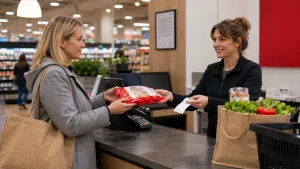
UK consumers are protected under the Consumer Rights Act, which requires products sold by retailers to be:
- Safe
- Fit for purpose
- Of satisfactory quality
Food products containing dangerous contaminants breach these legal standards.
As a result, consumers have the right to:
- A full refund
- Clear safety information
- Reasonable support during recalls
Retailers also have legal responsibilities to act quickly once hazards are identified.
This includes informing regulators, notifying customers, and removing unsafe products from sale.
Why Consumer Awareness Matters During Food Recalls?
One challenge with food recalls is that many consumers may never see the original warning notice.
Products may remain unopened inside cupboards for weeks or months after purchase. Some people may also transfer food into storage containers, making it harder to identify recalled products later.
This is why public awareness campaigns remain extremely important.
Consumers who regularly monitor official food safety alerts are more likely to identify problems quickly and protect their households from avoidable harm.
How Can UK Shoppers Stay Updated on Food Safety Alerts?
Consumers can stay informed about future recalls by following trusted official sources rather than relying entirely on social media posts or rumours.
Useful sources include:
- Food Standards Agency alerts
- Official supermarket websites
- Government food safety announcements
- Trusted UK news publications
- Retailer mobile apps
The Food Standards Agency also offers email notification systems that provide immediate updates on:
- Allergen recalls
- Foreign object contamination
- Food poisoning risks
- Mislabelled products
These alerts can help consumers react quickly before unsafe products are consumed.
Conclusion
The Morrisons Savers Cashew recall serves as an important reminder of why food safety monitoring remains essential throughout the UK supermarket industry. Although incidents involving foreign object contamination are relatively uncommon, consumers should always take official recall notices seriously.
Checking kitchen cupboards, verifying best-before dates, and following retailer guidance can help households avoid preventable injuries.
The rapid response from Morrisons and the Food Standards Agency also demonstrates how modern food safety systems are designed to protect consumers quickly when risks are identified.
Remaining informed and acting promptly are the most effective ways for UK shoppers to keep themselves and their families safe during food recalls.
FAQs About the Morrisons Savers Cashew Recall
Can consumers still receive a refund if they already threw the product away?
In some situations, Morrisons customer support may still assist customers if they can provide photographs or details relating to the packaging and best-before dates.
Are all Morrisons cashew products affected?
No. The recall only applies to the specified Morrisons Savers Cashew 125g packets listed in the official notice.
Is the recall active across the entire UK?
The recall currently applies across England, Scotland, and Wales.
Can tiny glass fragments really cause serious harm?
Yes. Even small fragments may injure the mouth, throat, or digestive tract and should never be ignored.
Should consumers inspect the nuts manually before eating them?
No. Food safety experts advise against attempting to inspect contaminated products because microscopic fragments may still remain hidden.
How long do supermarket recalls usually remain active?
Recalls generally remain active until regulators and retailers are satisfied that affected products have been removed from circulation.
Where can consumers verify official recall information?
Consumers should rely on official Food Standards Agency announcements and verified retailer notices.