







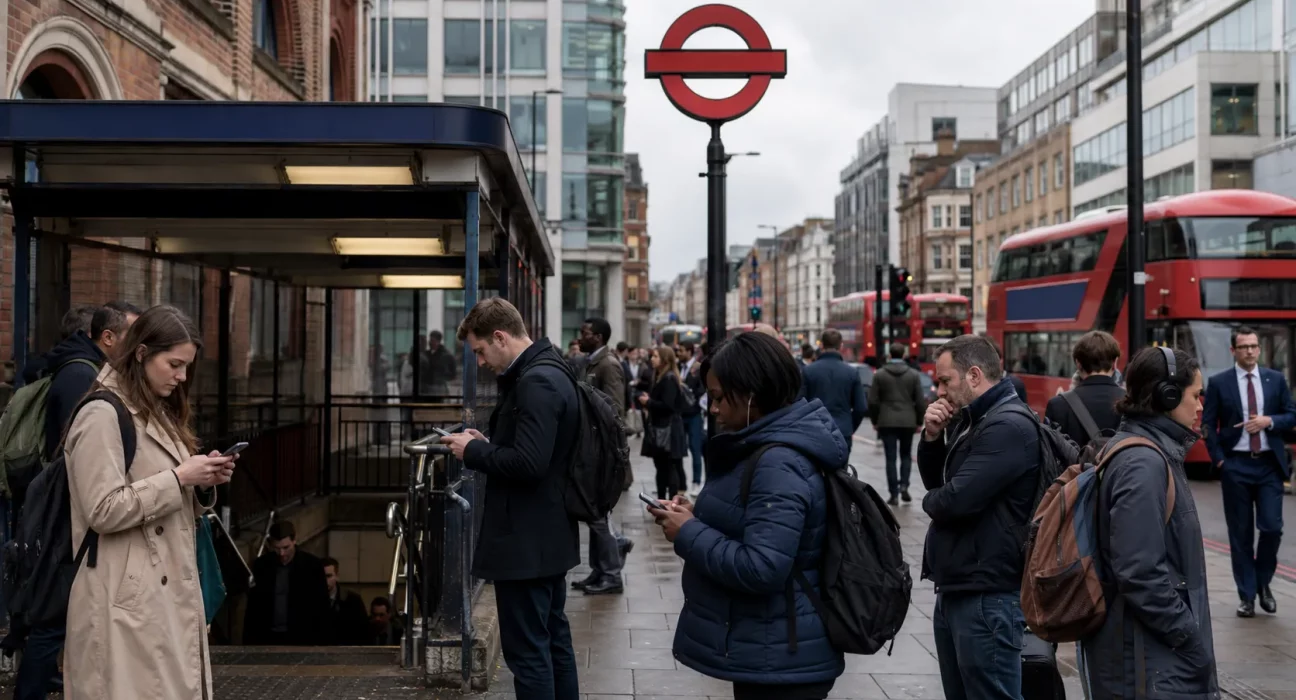
Travel Alert
Tube Strikes June 2026: Key Takeaways for London Passengers
The first of two 24-hour London Underground strikes is under way after RMT rejected the outcome of Acas talks with TfL. Passengers should expect major disruption, plan alternative routes and complete Tube journeys before 21:00 where possible.
Strike Dates
Tuesday 2 June & Thursday 4 June 2026
Strike Timing
00:01 to 23:59 on each strike day
Main Dispute
Voluntary compressed four-day week proposal
Passenger Advice
Check before travelling and finish Tube journeys before 21:00
Quick Snapshot
| Category | Details | What Passengers Should Do |
|---|---|---|
| Strike Action | Two 24-hour RMT Tube driver strikes are planned in June 2026. | Plan ahead for Tuesday 2 June and Thursday 4 June. |
| Closed Lines | Circle line and Piccadilly line are expected to face total suspension. | Use the Elizabeth line, buses, Overground, DLR or National Rail alternatives. |
| Partial Closures | Metropolitan line between Baker Street and Aldgate; Central line between White City and Liverpool Street. | Check live TfL updates before starting the journey. |
| Services Running | Elizabeth line, London Overground, DLR, London Trams and buses are expected to operate. | Expect these services to be much busier than usual. |
| Reason for Strike | RMT objects to TfL’s proposed compressed four-day working week, citing fatigue and safety concerns. | Follow official updates rather than social media speculation. |
Key Takeaway
London passengers should treat both strike days as major disruption days. The Tube network will not operate normally, but many journeys may still be possible by using the Elizabeth line, buses, London Overground, DLR, walking or other planned alternatives.
What Is Happening During the Tube Strikes in June 2026?
The tube strikes June 2026 have begun after last-ditch talks between the Rail, Maritime and Transport union and Transport for London failed to produce an agreement. The first 24-hour walkout by London Underground drivers is taking place on Tuesday, 2 June 2026, with a second 24-hour strike scheduled for Thursday, 4 June 2026.
The dispute has led to widespread disruption across parts of the Tube network, with full closures on some lines, partial closures on others, and severe crowding expected on services that continue to run. TfL has advised passengers to check before travelling and to complete Tube journeys before 21:00 BST where possible.
For commuters, businesses, visitors and airport passengers, the situation is inconvenient but manageable with careful planning. The Elizabeth line, London Overground, DLR, London Trams, buses and other non-Tube services are expected to continue operating, although they may be much busier than normal.
A clear summary of the two 24-hour RMT Tube driver walkouts
The first strike started at 00:01 on Tuesday, 2 June 2026, and is due to end at 23:59 on the same day. The second strike is planned for Thursday, 4 June 2026, using the same 24-hour timing.
The strikes involve RMT members working as Tube drivers. Not all Tube drivers are taking strike action, which is why TfL is still attempting to operate some services. However, the disruption is significant because the affected drivers form an important part of the London Underground workforce.
Tube strike dates in June 2026
Passengers travelling early on the mornings after strike days should still check live travel updates. Even when a strike officially ends at 23:59, services may take time to return to normal.
Why Are the Tube Strikes June 2026 Happening?
The tube strikes June 2026 are happening because of a dispute over TfL’s proposal to introduce a voluntary compressed four-day working week for Tube drivers.
Under TfL’s proposal, drivers would work fewer days each week but slightly longer shifts on the days they do work. TfL has described the arrangement as voluntary and says it is intended to improve work-life balance. However, the RMT argues that the proposal raises unresolved concerns around fatigue, shift length, flexibility and safety.
This means the dispute is not simply about pay. The central issue is how Tube driver working patterns should change, and whether the proposed model gives enough protection to staff working in safety-critical roles.
TfL’s voluntary four-day week proposal
TfL’s proposal would allow Tube drivers to compress their working week into four days. In practice, that means fewer working days but longer shifts.
Supporters of the idea say it could give drivers more days away from work and improve flexibility. The proposal has also been accepted by Aslef, another union representing train drivers.
However, the RMT has taken a different view. The union argues that a compressed working pattern could result in longer, more tiring shifts and may not give enough reassurance on safety and roster flexibility.
Why does RMT oppose the compressed working week?
According to the RMT position provided for this article, the union objects to what it calls an imposed “fake four-day week”. An RMT spokesperson said:
This quote reflects the RMT’s core argument. The union does not accept that the proposal is a simple improvement to work-life balance. Instead, it says the arrangement could place additional pressure on drivers by lengthening shifts and increasing fatigue risk.
For passengers, this may sound technical. However, the concern matters because Tube driving is a safety-critical job. Drivers must remain alert, follow strict operational procedures and respond calmly to incidents. The RMT says any new working pattern must be tested and agreed carefully before being implemented.
Why did Aslef accept the proposal while RMT rejected it?
One reason the London Tube strikes June 2026 have caused confusion is that Aslef accepted the proposal, while RMT rejected it. This split means some drivers support or accept the new working model, while others remain strongly opposed.
The difference does not mean one side is automatically correct. It means two unions have assessed the same proposal differently. Aslef appears to have viewed the offer as acceptable. RMT has focused on fatigue, shift length, flexibility and safety concerns.
This split also explains why some Tube services are still running. Because Aslef members are not part of this strike action, TfL can operate part of the network, even though severe disruption remains.
What Happened During the Acas Talks Between RMT and TfL?
Last-ditch talks were held through Acas, the advisory and conciliation service, on Monday evening before the first strike. Negotiators from RMT and TfL met for more than five hours but failed to reach an agreement.
After the talks collapsed, the RMT proceeded with strike action. The first 24-hour strike began on Tuesday, 2 June 2026, and the second strike remains planned for Thursday, 4 June 2026.
Why did the Acas talks fail?
The talks appear to have failed because both sides remained apart on whether TfL’s assurances were strong enough. TfL says the proposed four-day week is voluntary. RMT says that does not fully resolve concerns about shift length, fatigue and safety.
According to memo wording provided for this article, RMT general secretary Eddie Dempsey told London Underground train drivers:
This statement shows the union’s internal position after negotiations failed. The RMT leadership believed the dispute had not been resolved and that continuing with industrial action was necessary.
What did RMT instruct Tube drivers to do?
In the same memo wording provided for this article, Eddie Dempsey instructed members:
This instruction is the practical trigger for the strike. “Not to book on” means members should not report for duty for shifts beginning during the strike window.
As a result, TfL cannot operate a normal Underground service on affected lines and sections.
Which Tube Lines Are Closed or Disrupted on Tuesday 2 June?
The tube strikes June 2026 are causing the most severe disruption on the Circle, Piccadilly, Metropolitan and Central lines. Other lines may continue running, but passengers should expect crowding, delays and short-notice changes.
TfL is aiming to operate roughly half of normal Tube services, but this does not mean travel will be easy. Passengers should check live updates before leaving and avoid late Tube travel where possible.
Total Suspension
The Circle line and Piccadilly line are expected to be fully suspended during the strike.
The Piccadilly line closure is especially important because it removes a direct Tube route to Heathrow Airport. Passengers travelling to Heathrow should use alternatives such as the Elizabeth line, Heathrow Express, National Rail connections, coaches, buses, taxis or pre-planned private transport.
The Circle line closure affects central London journeys, including travel between major business, retail and interchange areas. Passengers who usually rely on the Circle line should allow extra time and plan a different route before starting their journey.
Partial Suspension
The Metropolitan line is affected between Baker Street and Aldgate. The Central line is affected between White City and Liverpool Street.
These partial closures are important because they affect busy commuter and business areas. Passengers travelling to the City, West End, Liverpool Street, Baker Street or nearby stations may need to change routes.
Which lines are running but likely to be very busy?
The Jubilee, Victoria, Northern, District, Bakerloo, and Waterloo & City lines may run, but passengers should not expect normal conditions. Open lines are likely to carry additional passengers who would normally use closed or partly closed routes.
Common issues may include:
- Longer waits between trains
- Crowded platforms
- Congested interchange stations
- Delays during peak hours
- Limited late-evening service
Passengers should complete journeys before 21:00 BST where possible because very few trains are expected to operate later in the evening.
Which TfL Services Are Still Running During the Tube Strike?
The Elizabeth line, London Overground, DLR, London Trams, buses and other non-Tube services are expected to operate during the strike. These services are not directly affected in the same way as the London Underground driver walkout.
However, they may be much busier than usual because many people will switch to them as alternatives.
Can passengers use the Elizabeth line during the Tube strike?
Yes. The Elizabeth line is expected to operate and may be one of the most useful alternatives during the tube strikes June 2026. It is particularly important for passengers travelling across central London or heading towards Heathrow.
However, passengers should still check live updates. Even when the Elizabeth line is running, stations and trains may be more crowded because of extra demand.
Are buses, DLR and London Overground running?
Buses, DLR and London Overground services are expected to run. These services may help passengers avoid affected Underground lines, especially for shorter journeys or routes through east, north and west London.
Buses may become slower than usual if road traffic increases. More passengers may also turn to taxis, private cars, cycling and walking, which can add pressure to roads and local transport hubs.
How Will the Tube Strikes Affect London Commuters and Businesses?
The tube strikes June 2026 will affect daily commuting, office attendance, airport travel, retail footfall, hospitality staffing and appointments across London.
The impact will be greatest for people who cannot work remotely, cannot change shifts, or rely on the affected Tube sections. Businesses with staff travelling across central London may need to allow more flexibility on strike days.
What is the likely impact on commuters?
Commuters may face longer journeys, crowded trains, changed routes and delays. Even those who are not using a closed line may still be affected because open services will carry more passengers.
A person who normally travels from west London to Liverpool Street on the Central line may need to switch to the Elizabeth line, use buses, or walk part of the route. A journey that usually feels straightforward may require extra planning and more time.
What is the likely impact on London businesses?
Businesses may experience delayed staff arrivals, lower footfall and disrupted meetings. Retail, hospitality, healthcare, offices and airport-linked businesses may feel the impact more than sectors where remote work is easy.
Employers can reduce disruption by allowing:
- Flexible start times
- Remote working where possible
- Online meetings instead of in-person meetings
- Realistic expectations around punctuality
- Extra planning for staff on early or late shifts
This approach helps avoid unnecessary stress and keeps operations moving.
Real-life example: a central London worker planning around disruption
A worker who usually travels from Hammersmith to Liverpool Street might normally rely on the Circle line or Central line connections. During the strike, that route may not be practical.
Instead, the worker may use the Elizabeth line from another station, take a bus to a working interchange, or combine walking with a different Underground line. The journey may still be possible, but it could take longer and involve more changes.
For that person, the best plan is to check the route before leaving, travel outside the busiest period if possible, and avoid assuming the usual journey will work.
What Should Passengers Do During the London Underground Strike?
Passengers should plan ahead, remain flexible and check live travel information before starting any journey. The most useful advice is to avoid unnecessary Tube travel on strike days, especially late in the evening.
For essential journeys, passengers should build in extra time and consider several route options.
Should passengers check TfL updates before travelling?
Yes. Live updates are essential during the tube strikes June 2026 because service levels can change during the day. A line may be running in the morning but disrupted later.
Passengers should check official TfL status updates before leaving home, before returning from work, and before travelling to important appointments or airport connections.
Should passengers complete journeys before 21:00?
Yes. TfL has advised passengers to complete Tube journeys before 21:00 BST where possible. Very few trains are expected to run late in the evening on strike days.
This is particularly important for people attending evening events, working late shifts or travelling to airports.
What alternatives should passengers consider?
Passengers can consider the Elizabeth line, London Overground, DLR, buses, National Rail services, walking, cycling or taxis. For Heathrow journeys, the Elizabeth line and Heathrow Express may be useful alternatives to the Piccadilly line.
However, alternatives may be crowded, so passengers should allow more time than usual.
What Are the Confirmed Facts, Proposed Changes and False Claims About the Tube Strikes?
The tube strikes June 2026 have generated a large amount of discussion online. Some information is confirmed, some is still disputed, and some claims are misleading.
Separating these categories helps passengers make better decisions.
Confirmed facts about the June 2026 Tube strikes
Proposed changes to Tube driver working patterns
The proposed change is a voluntary compressed four-day working week. Drivers would work fewer days but longer shifts.
TfL says the proposal is voluntary and could improve work-life balance. RMT says the change raises unresolved concerns about fatigue, shift length and safety. This remains the main point of disagreement.
False or misleading claims passengers should avoid
It is misleading to say that all London transport is closed. Many non-Tube services are still expected to operate.
It is also misleading to say the dispute is only about pay. The main issue is working patterns, especially the compressed four-day week proposal.
Passengers should also avoid assuming every Tube line is fully suspended. Some lines are closed, some sections are closed, and some services are running with disruption.
What Happens Next After the 2 June Tube Strike?
After the first strike ends at 23:59 on Tuesday, 2 June, some residual disruption may continue into the early hours of Wednesday, 3 June.
The second strike is expected on Thursday, 4 June 2026, unless a new agreement is reached before then.
There may be some early disruption as services return to normal. Trains, drivers and timetables may take time to reset after a full 24-hour strike.
Passengers travelling early on Wednesday should check live updates before setting off.
At the time of writing, the second strike remains planned for Thursday, 4 June 2026. Because the Acas talks ended without agreement, passengers should plan as though the Thursday strike will go ahead.
Further talks could still happen, but commuters and businesses should not rely on a last-minute cancellation unless it is officially confirmed.
What Do the Tube Strikes June 2026 Mean for London?
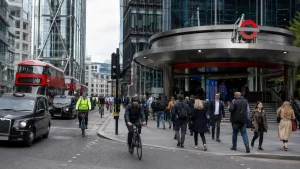
The tube strikes June 2026 mean London faces two days of significant Underground disruption during a busy working week. The immediate effect is travel difficulty for commuters, airport passengers, businesses and visitors. The wider issue is a continuing disagreement over how Tube driver working patterns should change.
For passengers, the best response is practical planning. Check live updates, allow extra time, complete journeys before 21:00 where possible and consider alternatives such as the Elizabeth line, buses, Overground and DLR.
For businesses, flexibility will be important. Remote work, adjusted start times and online meetings can reduce pressure on staff and help keep operations stable.
The dispute remains sensitive, but passengers should avoid panic. London’s wider transport network is still operating, and many journeys will remain possible with extra planning.
FAQs
Are the Tube strikes June 2026 definitely happening?
Yes. The first 24-hour RMT Tube driver strike is taking place on Tuesday, 2 June 2026, after talks between RMT and TfL failed to reach an agreement. A second 24-hour strike is scheduled for Thursday, 4 June 2026, unless a new deal is confirmed.
What time does the Tube strike start and end?
Each strike is scheduled to run from 00:01 to 23:59. However, passengers should also expect possible residual disruption the following morning as services return to normal.
Is the Piccadilly line running during the Tube strike?
The Piccadilly line is expected to be suspended during the strike. Passengers travelling to Heathrow should use alternatives such as the Elizabeth line, Heathrow Express, coaches, buses or other planned routes.
Is the Circle line closed during the Tube strike?
Yes. The Circle line is expected to be fully suspended during the strike. Passengers should plan alternative routes through central London and allow extra time.
Are the Elizabeth line and DLR affected by the strike?
The Elizabeth line and DLR are expected to operate. However, they may be busier than usual because passengers will use them as alternatives to affected Tube services.
Why did RMT reject the deal after Acas talks?
RMT rejected the position because it said TfL had not provided enough reassurance on fatigue, longer shifts, flexibility and safety linked to the proposed compressed four-day week.
What does “fake four-day week” mean in this dispute?
RMT uses the phrase “fake four-day week” to argue that the proposal compresses five days’ work into four longer working days. The union says this could increase fatigue and affect safety.
Will there be disruption after the strike ends?
There may be some disruption in the early morning after each strike day. Passengers should check live updates before travelling on Wednesday, 3 June, and Friday, 5 June.
How should London businesses prepare for the Tube strikes?
Businesses should consider flexible working, remote meetings, adjusted start times and realistic expectations for staff travel. This can reduce pressure on employees and help operations continue during disruption.