







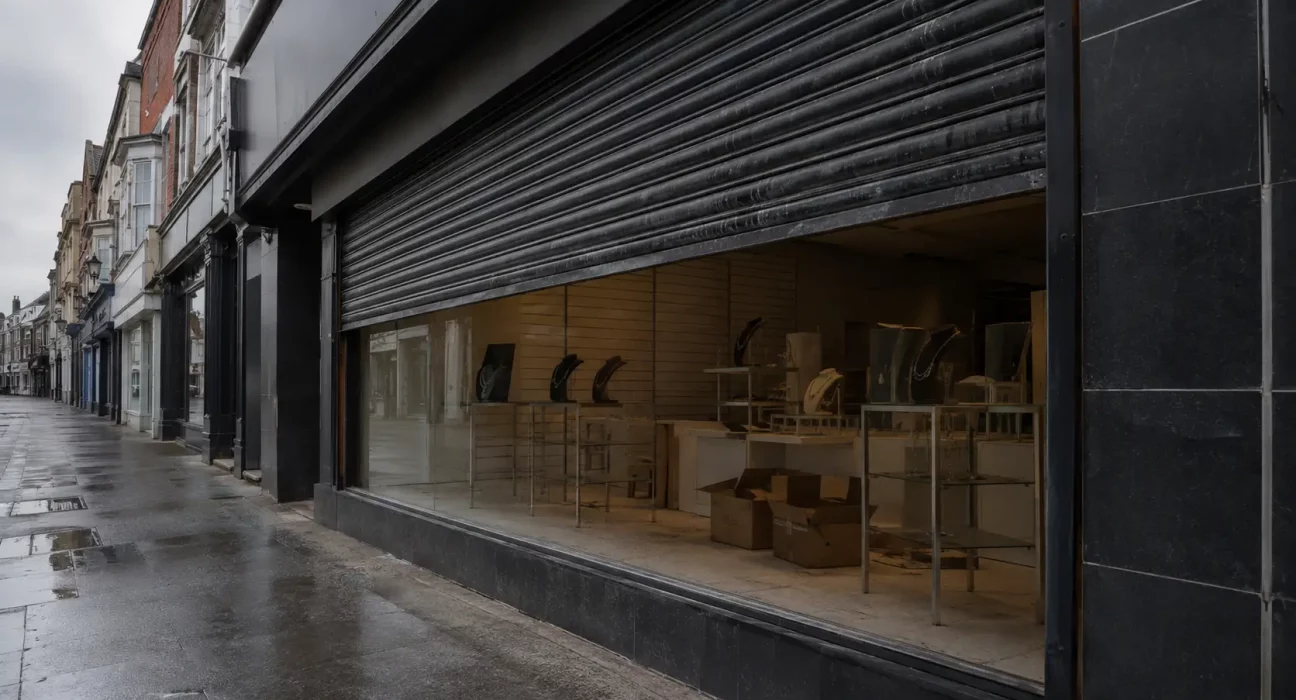
Claire’s Accessories became one of the UK’s biggest retail insolvency stories after two separate administrations involving different companies. Claire’s Accessories UK Ltd entered administration in August 2025, and most of its UK and Ireland business was sold, with 156 stores transferring to a new operator.
The rescued business, operated by CAUKI Limited, entered administration on 26 January 2026. By late April, the remaining 154 standalone stores had closed, resulting in around 1,300 job losses.
Reports published in July 2026 said the failed operation owed almost £20 million. This figure relates to the later CAUKI Limited administration and should not be confused with the separate 2025 insolvency.
Key highlights:
- Two administrations involved different legal companies.
- 156 stores transferred to a new operator in 2025.
- The remaining 154 stores closed in April 2026.
- Around 1,300 jobs were lost.
- The latest administration reportedly owed almost £20 million.
- The Claire’s brand may continue under different ownership or licensing arrangements.
The key point is that this was a two-stage business restructuring, not the end of the Claire’s brand itself.
What Happened in the Claire’s Accessories UK Administration in 2026?
The decisive 2026 event occurred when CAUKI Limited, the company operating the rescued Claire’s UK and Ireland business, entered administration on 26 January.
The company had taken on stores following the 2025 rescue but was unable to establish a sustainable long-term operation. Trading initially continued under the administrators, while efforts were made to determine whether stores or other parts of the business could be saved.
The key developments were:
- CAUKI Limited formally entered administration in January 2026.
- Around 154 stores remained in the business at that stage.
- The store estate was subsequently reduced through successive closures.
- All remaining standalone UK and Ireland stores closed in late April.
- Approximately 1,300 jobs were lost, although hundreds of concessions were initially unaffected.
The collapse therefore marked the failure of the post-2025 rescue operation, rather than a reopening of the original administration case.
Has Claire’s Gone Into Administration in the UK?
Yes. But accuracy requires distinguishing between two companies and two separate insolvency proceedings.
Claire’s Accessories UK Ltd entered administration on 13 August 2025, according to the official UK insolvency record. At that point, the wider UK and Ireland operation comprised 306 stores and employed more than 2,150 people.
The administrators initially continued trading while exploring a sale. Joint administrator Will Wright said they would “endeavour to continue to operate all stores as a going concern for as long as we can”.
Administration timeline:
| Date | Development | Why it mattered |
| 13 August 2025 | Claire’s Accessories UK Ltd enters administration | The original UK operating structure becomes insolvent |
| 29 September 2025 | 156 stores transfer in a rescue deal | Around 1,000 jobs receive an immediate reprieve |
| 26 January 2026 | CAUKI Limited enters administration | The rescued operation also fails |
| April 2026 | Remaining standalone stores close | About 1,300 jobs are lost |
| May 2026 onwards | A separate UK comeback is proposed | The brand may return through another operator |
Calling this simply “Claire’s going into administration twice” is understandable shorthand, but it misses the legal distinction between the original company and the business that later operated the rescued stores.
Why Is Claire’s Shutting Down After Decades on the UK High Street?

Claire’s collapse cannot safely be attributed to one cause. The available evidence points instead to a combination of structural retail pressure, difficult trading conditions and the challenge of turning around an already distressed store network.
Changing Shopping Habits and High-Street Pressure
Claire’s built much of its identity around physical shopping centres, accessories and ear-piercing services. That model faced growing competition from online marketplaces, social-commerce trends and rapidly changing youth fashion preferences.
A physical shop still offers services that cannot be fully replicated online, particularly piercing, but a large store network also brings rent, staffing and operating costs. Earlier financial reporting showed the UK business had already been loss-making before the first administration.
Why Did the 2025 Rescue Fail to Stabilise the Business?
The September 2025 deal transferred 156 stores and preserved about 1,000 jobs. The official administrator sale announcement confirmed that substantially most of the original company’s business and assets were sold.
But buying stores from administration is not the same as restoring profitability. The rescued business still had to generate enough cash to fund stock, wages, leases and other operating costs. Within four months, the new operating company was itself in administration.
Rising Costs, Weak Trading and Turnaround Pressure
Statements and reporting around the January collapse referred to an extremely difficult retail environment, fragile consumer confidence, cost inflation and pressure on employment costs. These factors affected much of the UK retail sector, although they should not be treated as the sole explanation for Claire’s failure.
The broader lesson is that a rescue can preserve a business temporarily without removing the underlying commercial problems that made the original operation vulnerable.
Which Claire’s Stores Closed in the UK?

The most important distinction is between standalone Claire’s stores and concessions inside other retailers.
By the January 2026 administration, the business had 154 remaining standalone stores across the UK and Ireland. Those stores closed through successive waves, with the final outlets shutting in late April. The closures resulted in around 1,300 job losses.
What shoppers should know:
- The 154 figure covered remaining standalone stores across the UK and Ireland, not simply England.
- Individual branches closed at different points during the administration.
- The April shutdown did not initially include 356 concessions operating within other retailers.
- A later store using the Claire’s name may be operated by a different business from the company that entered administration.
For that reason, historical “Claire’s closing stores” lists can quickly become outdated. The status of a specific location should be checked against current local information rather than an old closure announcement.
How Much Did Claire’s Owe, and What Did the Collapse Mean for Creditors?
The debt figures require particular care because they relate to different companies and different stages of the Claires UK collapse.
The Reported Nearly £20m Creditor Bill
CAUKI Limited formally entered administration on 26 January 2026, as shown by the official 2026 insolvency record.
July 2026 regional reports cited the administration process in reporting that the collapsed operation owed almost £20 million. The figure is significant because it provides a later view of liabilities following the closure of the standalone store estate.
It should not be confused with the earlier administration of Claire’s Accessories UK Ltd. Reporting on that separate 2025 case put unsecured creditor claims at approximately £11.9 million at the time, with the possibility of further claims.
Will Creditors Recover All the Money They Are Owed?
Not necessarily. The total amount a company owes is not the same as the amount creditors will eventually recover. The final outcome depends on the assets available and how the administration process is completed.
Key factors include:
- Available assets and administration costs.
- The legal priority of secured, preferential and unsecured creditors.
- The value realised from selling the company’s assets.
For suppliers, landlords and other creditors, the administrator’s formal reports and correspondence provide a more accurate picture than the headline debt figure alone
Who Bought Claire’s Accessories in the UK, and Who Is Behind the Reported Comeback?

The 2025 rescue was led by Modella Capital, which acquired 156 Claire’s stores across the UK and Ireland from the administrators. Around 1,000 jobs were preserved at the time. The remaining 145 stores from the earlier estate were not included in that transaction.
The company operating the rescued business was CAUKI Limited. Its administration in January 2026 demonstrated that the rescue had not produced a viable long-term outcome for the standalone estate.
A separate development followed the final store closures. In May 2026, French entrepreneur Julien Jarjoura was reported to be planning a UK return for Claire’s, with support from the US owner of the brand and an ambition to reopen about 50 stores.
This is an important corporate distinction: the party that bought stores in the 2025 administration is not necessarily the same party that owns the global brand or operates any future UK business.
Can Claire’s Return to UK High Streets After Administration?
Yes, a retail brand can return even after the company that previously operated its stores enters administration. However, a brand comeback does not undo the insolvency of the failed company or affect claims made through the administration process.
What Has Been Reported About a New Claire’s Operator?
In May 2026, reports said Julien Jarjoura, who operates Claire’s stores in several European markets, intended to reopen about 50 UK stores from June onwards. He was reported to be negotiating new leases and planning a revised retail proposition.
As of July 2026, the most clearly sourced information reviewed for this article established the comeback as a reported expansion plan. This article does not assume that every proposed location has opened unless separately confirmed.
A Smaller and More Selective Store Model
A revived operation could be structurally different from the former business. Reported plans pointed towards a smaller estate, revised pricing and products, continued piercing services and a more selective approach to locations.
Such a model could reduce some of the fixed-cost exposure associated with a larger store network, although commercial success cannot be assumed.
Why a Brand Comeback Does Not Reverse the Administration
A well-known brand can continue even after the company operating it enters administration. This is because the brand itself and the legal company behind it are separate.
Key points:
- Brand names and intellectual property can be transferred to a new owner.
- Store leases and operating companies can be reorganised separately.
- A new operator can continue trading under the same brand.
As a result, future Claire’s stores could trade under the same name while being operated by a different legal company with different ownership and liabilities. Any claims against the failed company would still be dealt with through the relevant insolvency process.
What Does the Claire’s Collapse Reveal About the Future of UK High-Street Retail?

The Claire’s collapse highlights the challenges of rescuing a well-known retailer when the underlying business remains under financial pressure. It demonstrates that a recognised brand alone is not enough to guarantee the long-term success of a large physical store network.
The case also shows that administration sales can preserve parts of a business without ensuring a successful turnaround. Large store estates become difficult to sustain when sales weaken and fixed costs remain high, while brands may continue through licensing, concessions or new operators.
More broadly, the Claire’s administration illustrates why it is important to distinguish between a brand and the legal company behind it. For the wider UK retail sector, it serves as a reminder that sustainable profitability remains the key to long-term survival.
Conclusion
Claire’s Accessories UK administration in 2026 highlights the risks of rescuing a distressed retailer without fully resolving its underlying commercial pressures.
The collapse of the rescued operation led to widespread store closures, job losses and significant creditor claims.
Yet the possible return of the Claire’s brand also shows that a familiar retail name can survive after a company fails. For the UK high street, the case reflects a shift towards smaller, more flexible retail models.
FAQs
Is Claire’s American or British?
Claire’s is an American-founded accessories brand. It was established in the United States in 1961 and later expanded across the UK, becoming a familiar high street retailer.
Who owns Claire’s?
Ownership depends on the business being discussed. The North American business was acquired by Ames Watson in 2025, while the UK operations followed separate ownership and administration processes.
What is the difference between Claire’s Accessories UK Ltd and CAUKI Limited?
Claire’s Accessories UK Ltd entered administration in August 2025. CAUKI Limited, which later operated the rescued UK and Ireland business, entered administration in January 2026.
Who were appointed as administrators in the Claire’s UK insolvency cases?
Will Wright and Chris Pole were appointed administrators in August 2025. Benjamin Wiles, Janet Burt and Philip Dakin were appointed in the January 2026 CAUKI Limited administration.
What is the difference between administration and liquidation?
Administration aims to rescue or sell a business where possible, while liquidation usually involves winding up the company and distributing its remaining assets.
Can a retailer continue trading while it is in administration?
Yes. Retailers can continue trading during administration while administrators consider options such as a sale or restructuring.
What happens to gift cards, returns and customer claims when a retailer enters administration?
The outcome depends on the administrator’s decisions, the purchase date and the company involved. Customers should follow official guidance and keep their receipts and payment records
Editorial Note:
This article covers companies involved in formal administration and a developing retail story. The Claire’s brand, Claire’s Accessories UK Ltd, CAUKI Limited and any subsequent UK operator should not automatically be treated as the same legal entity.
Debt, store and employment figures may also refer to different companies, dates or geographical areas. Where future reopening plans are discussed, they are identified as reported or proposed unless their implementation has been independently confirmed.
How We Checked?
The reporting was compared against official company insolvency records, administrator announcements, company filings, established national reporting and the July 2026 creditor reports supplied for this article.
Particular attention was given to the dates and legal identities involved. The August 2025 administration, September 2025 rescue, January 2026 administration, April 2026 store closures and later proposed comeback were checked as separate developments rather than presented as one continuous event.
Leave feedback about this