







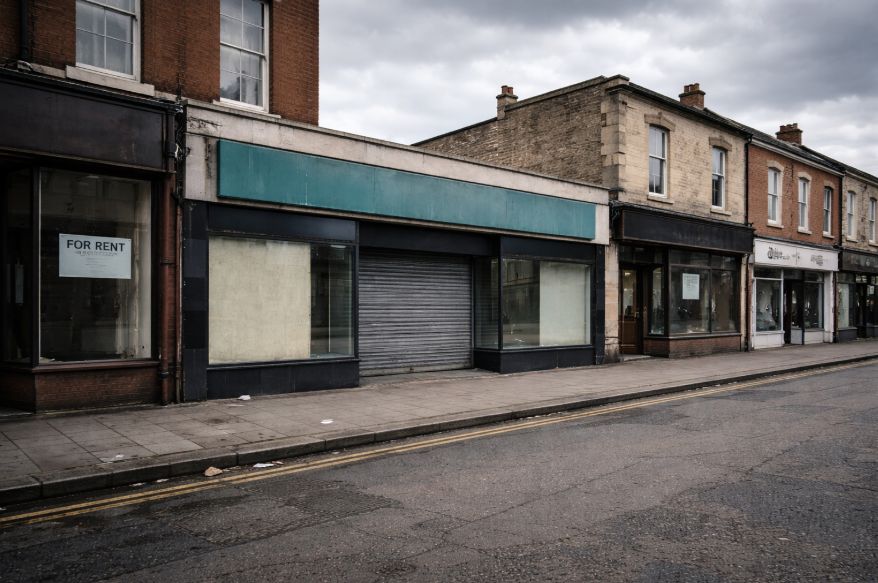
Poundland, a staple of the UK’s discount retail scene, has begun closing multiple stores across the country in 2026. Backed by its parent company Pepco Group, the closures reflect a strategic shift in response to rising operational costs, evolving shopping habits, and pressures on high street retail
This article explores the key reasons behind the closures, their impact, and what they signal for the future of value retail in the UK.
Why Are Poundland Stores Closing Across the UK in 2026?
 Poundland, the popular discount chain known for its budget-friendly pricing, has begun closing several stores across the UK in 2026. These closures are not isolated incidents, but rather part of a wider strategy initiated by its parent company, Pepco Group. The move reflects significant financial pressures, changing shopping habits, and broader issues affecting the British high street.
According to industry reports and customer feedback, this strategic shift is being driven by a combination of rising operational costs, increased competition, and the aftermath of prolonged economic strain. The closures are targeted at locations deemed underperforming, with a strong emphasis on reshaping the brand’s retail footprint to focus on more profitable areas.
How Many Poundland Stores Are Affected by the Closures?
Poundland has confirmed a wave of closures beginning in early 2026. The exact number may evolve as the year progresses, but several locations have already shut down or are scheduled to close by the end of Q1. These include stores in both city centres and retail parks.
Here’s a look at confirmed store closures to date:
| Location | Closure Date | Store Type |
| Walsall High Street | 10 January 2026 | High Street |
| Swindon Town Centre | 5 February 2026 | High Street |
| Blackpool Retail Park | 17 January 2026 | Retail Park |
| Derby Intu Centre | 22 February 2026 | Shopping Mall |
| Brighton North Street | 12 March 2026 | High Street |
Several of these closures came with limited public warning. Local customers discovered store windows covered and “closing down” signs posted, with little information beyond final trading days. In towns where Poundland was the sole discount retailer, the closures have drawn concern and disappointment from residents.
What Financial and Operational Factors Are Behind the Shutdowns?
The financial landscape for retailers in the UK has changed dramatically in recent years, and Poundland has not been immune to these shifts. Operational costs have risen sharply due to inflation, supply chain challenges, and increased rent prices. Many leases are up for renewal in 2026, and for several locations, the updated terms simply no longer make commercial sense.
Foot traffic on high streets has also declined in many towns, especially post-pandemic. Combined with a rise in utility bills, staff wages, and merchandise costs, the business model for low-margin retail has become increasingly difficult to sustain in underperforming branches. Retail analysts suggest the closures are a pre-emptive measure to safeguard profitability and preserve Poundland’s long-term viability in the UK market.
How Has the Cost of Living Crisis Impacted Poundland’s Business Model?
 While it may seem counterintuitive, the cost of living crisis hasn’t translated to greater success for all discount retailers. Instead, shoppers have become even more cautious. Many now prioritise essentials over impulse buys, leading to smaller average spends, even in budget stores.
In this environment, customers are more selective, and rising expectations for both price and quality have added pressure. Some shoppers have noted that Poundland no longer offers the same value it once did, with many items now exceeding the classic £1 price tag. Feedback on Google Reviews reflects frustration over product availability, changes in pricing, and perceived reductions in stock quality.
Is the Poundland Closure Part of a Wider UK Retail Restructuring?
Poundland’s closures form part of a much larger trend affecting British retail. The past few years have seen several major chains either reduce their physical presence or disappear entirely. From Wilko’s closure in 2023 to Iceland and M&S scaling back locations, retailers are being forced to reevaluate how they operate in the current climate.
This trend points towards a shift in consumer behaviour. More people are shopping online, and even those visiting physical stores now expect a more streamlined and efficient experience. For discount chains like Poundland, this means rethinking location strategy, layout, and inventory to stay competitive.
What Role Does the Pepco Group Play in Poundland’s Strategy?
Poundland is owned by the Pepco Group, a multinational retailer with operations across Europe. In recent years, Pepco has prioritised growth in other markets while reviewing underperforming branches in mature ones like the UK.
The strategy for 2026 centres on strengthening core operations and reducing cost centres. That includes exiting leases where profit margins are thin or footfall is low. Pepco is also investing in store upgrades, technology, and streamlining supply chains. This dual approach cutting unviable locations while improving others is central to its broader long-term strategy.
How Are Local Communities and Employees Being Affected?
 The closures are having a noticeable impact on both employees and the communities they serve. Staff at affected branches are facing redundancy, although some have been offered roles at nearby stores. For many towns, particularly smaller ones, losing a Poundland means the loss of a vital, affordable resource.
Customers have expressed disappointment at losing local access to essentials. In some areas, Poundland filled a gap in affordable household items, toiletries, and snacks. With fewer options now available nearby, communities feel the loss not just financially, but socially.
What Are Customers Saying About the Closures?
Customers have taken to online platforms such as Google Reviews to express their concerns and frustrations. Comments often highlight the convenience that Poundland provided, especially for those on tight budgets or without easy access to transport.
One review from a Swindon resident noted how the store had been a “lifeline” during difficult months, offering low-cost essentials in walking distance. Others have mentioned the friendly staff, nostalgic attachments to long-standing local branches, and disappointment at seeing yet another empty unit on their high street.
This sentiment reflects a deeper worry about the ongoing decline of local shopping areas and the shrinking presence of affordable stores.
Are There Any Signs of Future Recovery or New Openings?
Despite the closures, there are signs that Poundland is not exiting the UK market but rather repositioning itself. Some closed stores may reopen in a different format or location, while others may be absorbed into updated Pepco models.
Poundland’s e-commerce operations are also expanding. The chain launched a limited online service which is now growing to include more categories and wider UK coverage. This development suggests a blended future of physical and digital retail, potentially making up for some of the losses caused by store closures.
There are also reports of investment in new format stores with improved layouts and a broader product mix, aimed at delivering greater value and convenience.
How Should Customers and Employees Stay Informed About Updates?
 For accurate and timely information, Poundland encourages customers and staff to check their official website, follow verified social media channels, and monitor local council announcements. Those employed at closing locations should also liaise directly with management for updates on redeployment or redundancy packages.
Job seekers affected by these closures can explore vacancies on retail job boards and may be eligible for government employment support depending on their situation.
What Lessons Can Other UK Retailers Learn from the Poundland Closures?
Retailers operating in the UK face a fast-changing environment. The Poundland closures underline the importance of adapting to both economic realities and consumer expectations.
Brands must evaluate the cost-effectiveness of their store portfolios, improve stock consistency, and consider omnichannel strategies to remain competitive. Flexibility, cost control, and customer connection are becoming more important than ever.
While closures can be difficult, they can also provide an opportunity to refocus on stronger markets and invest in innovation where it’s needed most.
Conclusion
The closures announced by Poundland in 2026 highlight the strain currently placed on UK retail, particularly in the discount sector. But rather than a full retreat, this appears to be a recalibration.
Backed by Pepco Group, Poundland is likely to focus on efficiency, customer value, and digital growth going forward. Although store closures are disappointing for many communities, they may ultimately serve to strengthen the business model and ensure the chain remains a part of the UK’s retail future.
For now, the brand continues to serve millions across the country and with the right strategy, it could still thrive in the evolving high street landscape.
FAQs About the 2026 Poundland Closures
Is Poundland going bankrupt in 2026?
No. Poundland is restructuring its physical store presence but remains financially active under the Pepco Group.
Are all Poundland stores closing permanently?
Only selected stores are closing. Many will remain open, and some may see refurbishment or rebranding.
What should I do if my local Poundland has closed?
Check the Poundland website for the nearest open store or use their online shopping service where available.
How can I find out if my nearest Poundland is closing?
Information is typically posted in-store, on the official website, or announced through local news channels.
Are any other discount retailers closing stores too?
Yes, several UK chains such as Iceland and Boots have reduced their store numbers due to similar challenges.
Will Poundland open new stores in the future?
There are reports of new store formats and refits. The brand is expected to open new branches where commercially viable.
What support is available for affected employees?
Employees may receive redundancy packages or be redeployed to nearby stores. Local job centres and government programmes may also assist.