







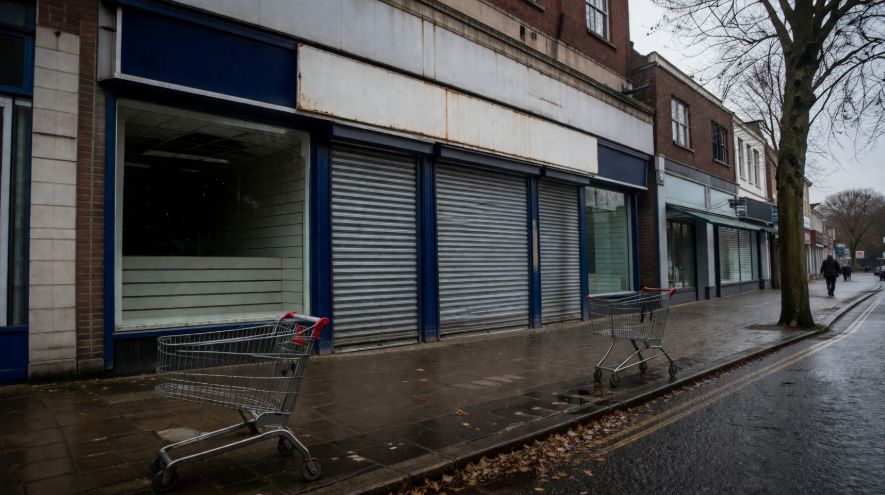
The Original Factory Shop Closures at a Glance
The Original Factory Shop officially shut all remaining 137 stores and its Bolton head office on
4 April 2026. The collapse resulted in the loss of around 1,180 jobs and followed a combination of
rising inflation, weak consumer confidence, adverse government fiscal pressures, and major logistical disruption linked to a
third-party warehouse operator.
- Final closure date: All remaining stores and the Bolton head office closed on 4 April 2026.
- Scale of the shutdown: The retailer ceased trading across 137 stores nationwide.
- Human impact: Around 1,180 jobs were lost as the business was wound down.
- Main causes: Modella Capital cited a “perfect storm” of high cost inflation, very weak consumer confidence,
and adverse government fiscal policies. - Operational setback: Problems with a third-party warehouse operator disrupted stock flow and damaged sales during critical trading periods.
- Administration outcome: Interpath Advisory handled the phased wind-down after no viable buyer emerged to take the business forward.
The complete shutdown of The Original Factory Shop in April 2026 represents a defining moment for the UK retail sector. Once a familiar and trusted presence across towns and high streets, the retailer’s collapse has drawn attention not only because of its scale but also because of what it reveals about the current state of the industry.
With all 137 stores and its Bolton head office officially closing on 4 April 2026, the original factory shop closures are more than an isolated business failure. They reflect a convergence of economic pressures, operational challenges, and structural changes that are reshaping how retail operates in the UK.
This article explains what happened in clear terms, separates confirmed facts from broader context, and explores how this collapse affects employees, customers, and the wider high street environment.
What Led to the Final Closure of The Original Factory Shop in April 2026?
 Final Closure Date Confirmed
The Original Factory Shop officially ceased all operations on 4 April 2026, marking the end of its nationwide presence. This included both its retail outlets and its Bolton-based head office. The closure followed a structured wind-down process after entering administration.
A High Street Staple Disappears
For decades, the retailer served as an accessible shopping destination, particularly in smaller towns where large retail chains were less present. Its business model offering discounted branded goods made it especially relevant during periods of economic uncertainty.
Its disappearance is therefore not just symbolic but practical. Many communities have lost a key retail anchor that contributed to local footfall and economic activity.
Statement from Administrators
Rick Harrison of Interpath Advisory highlighted the company’s long-standing importance, describing it as a “cornerstone” of the high street. However, he confirmed that persistent financial pressures and trading difficulties made continued operations unviable.
This reflects a broader trend in which even established retailers are no longer insulated from market volatility.
Why Did The Original Factory Shop Collapse Despite Its High Street Presence?
The “Perfect Storm” Explained
The original factory shop closures were driven by multiple overlapping factors rather than a single cause. According to Modella Capital, the situation resulted from a “perfect storm” of economic and operational challenges.
contributing factors include:
- Sustained high cost inflation
- Weak consumer confidence across the UK
- Reduced discretionary spending
These pressures created a situation where revenue could no longer keep pace with rising costs.
The Impact of Government Fiscal Policies
While not the sole cause, fiscal conditions played a significant role in shaping the operating environment.
Confirmed facts:
Retailers faced increased cost burdens linked to taxation and business rates.
Contextual explanation:
Such policies tend to have a disproportionate impact on physical retail stores, which must maintain premises, staffing, and inventory. This reduces flexibility compared to online competitors.
Critical Logistical Failures
One of the most damaging operational issues was linked to a third-party warehouse provider.
Confirmed facts:
- Disruptions affected inventory distribution
- Stock shortages occurred during key trading periods
Practical impact:
Retail depends heavily on product availability. When shelves are empty during peak demand, not only are immediate sales lost, but customer trust is also weakened. Over time, this can significantly reduce repeat business.
Failed Rescue Attempts
During administration, efforts were made to find a buyer who could restructure and continue the business.
This indicates that potential investors likely assessed the risks as outweighing the potential returns, particularly given the broader retail climate.
How Many Stores Closed and What Was the Total Human Impact?
Breakdown of Closures
Regional Impact Across the UK
The closures have had a particularly strong effect on smaller towns, where The Original Factory Shop often served as a primary retail destination. Unlike larger cities, these areas may not have immediate replacements, leading to longer-term economic disruption.
Human Cost of the Collapse
The loss of 1,180 jobs represents a significant social impact.
To understand this more clearly, consider a typical scenario:
An employee working in a local branch may now face limited employment opportunities within commuting distance. This could require retraining, relocation, or a complete career change.
This illustrates how retail closures extend beyond financial metrics and directly affect livelihoods and community stability.
What Happened During the Administration Process and Why Was No Buyer Found?
 Role of Interpath Advisory
Interpath Advisory was appointed to manage the administration process. Their role included assessing financial viability, exploring potential sales, and overseeing the orderly closure of operations.
Attempts to Secure Investment
Administrators actively sought buyers who could:
- Inject capital
- Restructure operations
- Maintain store operations
Reasons Buyers Withdrew
- Ongoing losses and declining margins
- Operational inefficiencies, particularly in logistics
- Challenging economic outlook for UK retail
From an investor perspective, these factors increase risk and reduce the likelihood of a successful turnaround.
How Did Logistical Failures Contribute to The Original Factory Shop Closures?
Third-Party Warehouse Disruptions
The reliance on an external logistics provider introduced vulnerabilities. When that system failed to perform effectively, the consequences were immediate and widespread.
Impact on Stock Availability
Stock shortages meant that stores could not consistently meet customer demand. This disrupted sales cycles and reduced revenue stability.
Effect on Peak Trading Periods
Retailers depend heavily on seasonal peaks, such as holidays and promotional events. Missing these opportunities can significantly impact annual performance, making recovery more difficult.
How Did Inflation and Consumer Behaviour Impact The Original Factory Shop?
Rising Operational Costs
Inflation increased costs across supply chains, energy usage, and wages. For a discount retailer, where margins are already tight, this creates substantial pressure.
Decline in Consumer Spending
Consumers reduced non-essential purchases due to the cost-of-living crisis.
This directly affected retailers offering discretionary goods, as customers prioritised essentials.
Shift Toward Online Retail
Consumer behaviour has continued to shift toward online platforms, where pricing is often more competitive and convenience is higher.
This structural change has placed additional strain on physical retail stores, particularly those without a strong digital presence.
What Happens Next for Employees and Customers After the Closures?
 Support for Employees
Employees affected by the closures may access redundancy packages and government-supported employment services. However, the transition can still be challenging, especially in regions with limited job opportunities.
What Happens to Remaining Stock?
Remaining inventory is typically handled through liquidation processes, including clearance sales and bulk resale.
Alternatives for Shoppers
Customers are likely to shift toward other discount retailers or online platforms. However, this may not fully replace the convenience of a local store.
Community Impact
The closure of a retail anchor often leads to reduced footfall, which can affect nearby businesses. Over time, this may contribute to a cycle of decline in certain high street areas.
What Do The Original Factory Shop Closures Reveal About the UK Retail Crisis in 2026?
A Pattern of UK Retail Closures
The original factory shop closures are part of a broader trend affecting the UK retail sector, where multiple businesses are facing similar challenges.
Key Risk Factors in 2026
Expert Insight
Industry experts have increasingly pointed out that the retail environment is undergoing structural transformation. Businesses that fail to adapt quickly to these changes may struggle to survive.
Which Other UK Retailers Could Be at Risk Following These Closures?
Vulnerable Retail Segments
Discount retailers, mid-range fashion brands, and businesses with large physical footprints are particularly exposed to current market conditions.
Warning Signs to Watch
Indicators such as frequent discounting, store closures, and restructuring announcements can signal underlying financial stress.
Industry Predictions
Analysts suggest that consolidation within the retail sector is likely to continue, with stronger brands absorbing market share from weaker competitors.
How Do The Original Factory Shop Closures Affect Local Communities and High Streets?
 Economic Impact on Small Towns
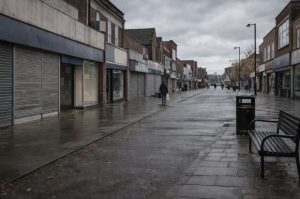
The removal of a key retailer reduces local spending and can weaken surrounding businesses.
Increase in Vacant Retail Spaces
Empty units can reduce the attractiveness of shopping areas, further decreasing visitor numbers.
Long-Term Community Consequences
Over time, these changes can alter the economic and social fabric of local communities.
Can the UK High Street Recover After Major Retail Closures Like This?
Government Initiatives
Efforts are being made to support high street regeneration, including funding programmes and policy adjustments.
Rise of Experiential Retail
Retailers are increasingly focusing on offering experiences rather than just products, aiming to attract customers back into physical stores.
Role of Independent Businesses
Smaller, independent retailers may play a crucial role in revitalising high streets by offering unique and localised experiences.
What Lessons Can Retailers Learn from The Original Factory Shop Collapse?
Importance of Supply Chain Control
Reliable logistics are essential for maintaining consistent operations and customer satisfaction.
Adapting to Consumer Trends
Retailers must remain responsive to changes in shopping behaviour, including the shift toward online purchasing.
Financial Risk Management
Strong financial planning and flexibility can help businesses navigate uncertain economic conditions.
Conclusion
The original factory shop closures highlight a critical turning point for UK retail. The closure of all 137 stores and the loss of 1,180 jobs demonstrate the scale of the challenges facing the industry.
While the causes include inflation, weak consumer confidence, logistical failures, and policy pressures, the broader lesson is clear: the retail landscape is evolving rapidly. Businesses that adapt to these changes may find opportunities for growth, while those that cannot may face similar outcomes.
Understanding these dynamics is essential for anyone looking to make sense of the future of the British high street.
FAQs About The Original Factory Shop Closures
What were the main reasons behind The Original Factory Shop closures?
The closures were caused by a combination of economic pressures, logistical issues, and lack of buyer interest.
When did the company officially shut down?
All operations ended on 4 April 2026.
How many people lost their jobs?
Approximately 1,180 employees were affected.
Who managed the administration process?
Interpath Advisory handled the process.
Could the company have been saved?
Attempts were made, but no viable buyers were found.
How did supply chain issues affect the business?
They caused stock shortages, reducing sales and customer satisfaction.
What does this mean for the future of retail?
It suggests continued transformation and potential further closures in the sector.