





Last Update: 24 September
A new supermarket product recall has been issued after concerns that cans of a popular alcohol-free beer could become over-pressurised and rupture unexpectedly.
Lucky Saint has recalled a specific pack of its 0.5% Hazy IPA after a potential packaging safety problem was identified. The affected beer has been available through major UK supermarkets, including Tesco and Morrisons.
Unlike many supermarket food recalls, customers are not being told to take the affected cans back into a shop. Instead, the safety instructions say they should be handled as little as possible, kept upright, placed carefully inside a sealed bag and disposed of with household waste.
The warning is particularly important because an affected can could swell, leak or rupture without warning, creating a possible risk of physical injury.
The Lucky Saint alert comes during a month in which other products sold through Tesco, Waitrose and Morrisons have also been subject to recall notices for issues ranging from microbiological contamination to undeclared allergens.
Here are the products shoppers should currently know about.
Which Lucky Saint Beer Has Been Recalled?
The latest alert concerns Lucky Saint 0.5% Hazy IPA.
The affected product details are:
| Product | Pack size | Best before |
|---|---|---|
| Lucky Saint 0.5% Hazy IPA | 4 x 330ml cans | 13 August 2027 |
Customers should check all three details rather than assuming every Lucky Saint drink is affected.
The recall relates specifically to the Hazy IPA product identified above. Lucky Saint sells several other alcohol-free drinks, but the current safety notice does not amount to a recall of the company’s entire range.
Why Could the Lucky Saint Hazy IPA Cans Be Dangerous?
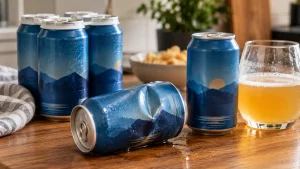
The concern is not about an undeclared ingredient or conventional food contamination.
Some of the affected cans may become over-pressurised.
Pressure building inside a sealed drinks can can cause the container to swell or leak. In this case, the recall warning also identifies the possibility that a can could rupture unexpectedly.
That creates a physical safety risk because a sudden rupture may cause injury.
It also explains why the disposal instructions for this recall are different from the familiar advice to simply return a recalled food or drink to the supermarket.
What Should You Do If You Have the Recalled Beer?
First, check the packaging carefully and establish whether your product matches the affected Lucky Saint 0.5% Hazy IPA 4 x 330ml pack with the 13 August 2027 best-before date.
If it matches, do not drink or open the product.
Customers have been advised to:
- handle the cans as little as possible;
- keep the cans upright;
- carefully place them in a sealed bag;
- dispose of the bag with household waste; and
- keep proof of purchase if seeking a refund.
The affected cans should not be taken back into the supermarket.
This is an important difference from many food recalls, where the normal advice is to return the product to the retailer.
Anyone checking the packaging may therefore want to photograph the product details and proof of purchase before disposal.
Why Are Shoppers Being Told to Use a Sealed Bag?
The instruction to use a sealed bag is part of the safe-disposal process rather than an indication that shoppers need specialist equipment.
The aim is to minimise unnecessary handling of an affected can while it is being discarded.
Customers should not deliberately squeeze, puncture, shake or attempt to release pressure from a suspect can. They should follow the recall instructions and keep handling to a minimum.
If a can already appears swollen or is leaking, avoiding unnecessary contact is especially sensible because the recall concerns the possibility of an unexpected rupture.
Can You Return the Lucky Saint Cans to Tesco or Morrisons?
No. The advice attached to this particular recall is to dispose of the affected product safely rather than physically return the cans to the retailer.
Customers can still seek a refund.
Shoppers should retain proof of purchase and check the refund arrangements provided by the retailer from which the beer was bought.
The distinction matters: obtaining a refund does not mean the potentially over-pressurised cans themselves need to be carried back into a supermarket.
Are All Lucky Saint Beers Being Recalled?
No. The current recall concerns the specified Lucky Saint 0.5% Hazy IPA 4 x 330ml product with the affected best-before date.
Consumers who have another Lucky Saint product should not assume it is part of this recall simply because it carries the same brand name.
Checking the exact product, pack size and date is the safest way to identify whether a purchase is affected.
Lucky Saint’s range includes other alcohol-free beer products, and the present notice is product-specific.
What Other Supermarket Recalls Should Shoppers Check?
The Lucky Saint alert is the newest major development, but it is not the only recall relevant to shoppers at some of Britain’s largest supermarkets.
September has also brought notices involving Waitrose products and Tesco food, while Morrisons continues to display an earlier recall involving cashews with long-dated packs that remain relevant.
Waitrose Essential Unsweetened Oat Drink
Waitrose has recalled Essential Unsweetened Oat Drink because of a risk associated with microbiological contamination and spoilage following a breakdown in temperature control.
The affected product is sold in 1-litre packs.
The recall covers best-before dates from 14 August 2026 to 29 October 2026 for products purchased between 2 September and 21 September 2026.
Customers who have an affected carton should not consume it and should follow Waitrose’s recall instructions.
This is particularly worth checking because the recall covers a wide range of best-before dates rather than a single batch date.
Waitrose Pitted Black Olives Were Also Recalled
Another September recall involved Waitrose Essential Pitted Black Olives 120g.
The product was recalled because of contamination with Listeria monocytogenes.
Affected use-by dates were:
- 13 September 2026;
- 18 September 2026; and
- 27 September 2026.
Although some of those dates have already passed, the 27 September pack may still be in shoppers’ refrigerators when checking this latest round of warnings.
Listeria can cause symptoms including a high temperature, muscle aches or pain, chills, sickness and diarrhoea. In uncommon cases, infection can become more serious.
People aged over 65, pregnant women and their unborn babies, very young babies and people with weakened immune systems can be particularly vulnerable to Listeria infection.
Anyone who still has one of the affected packs should not eat the olives.
What Tesco Product Was Recalled in September?
Tesco recalled Tesco Finest Caesar & Smoked Bacon Coleslaw 270g earlier in September because mustard was not declared correctly.
The affected product had a 4 September 2026 use-by date.
The undeclared mustard made the product a potential health risk for anyone with an allergy to mustard.
Because the use-by date has now passed, this is not as immediately relevant as the Lucky Saint recall. However, it remains part of Tesco’s September 2026 recall history and is useful context for shoppers checking recent supermarket alerts.
Tesco had also previously recalled Tesco Finest Mozzarella Pearls & Pesto Orzo Salad 215g over possible contamination with Shiga toxin-producing E. coli, or STEC.
This demonstrates why consumers should pay attention to the date and precise product details when reading recall stories. A retailer may have several unrelated notices issued at different times and for completely different safety reasons.
Which Morrisons Product Should Customers Still Check?
Morrisons continues to list Morrisons Savers Salted Cashews 125g in its product recall information because some packs may contain pieces of glass.
Affected best-before dates include:
| Product | Affected best-before dates |
|---|---|
| Morrisons Savers Salted Cashews 125g | 9 August 2026 |
| Morrisons Savers Salted Cashews 125g | 6 September 2026 |
| Morrisons Savers Salted Cashews 125g | 26 September 2026 |
| Morrisons Savers Salted Cashews 125g | 28 September 2026 |
| Morrisons Savers Salted Cashews 125g | 9 October 2026 |
The final three dates are particularly relevant in late September because shoppers could still have these packs at home.
Anyone with an affected pack should not eat the cashews.
Unlike the Lucky Saint Hazy IPA instructions, Morrisons says customers can return the affected cashews to a store for a full refund. A receipt is not required.
The difference between these two recalls is important. Shoppers should not assume that the same return procedure applies to every recalled product.
Why Do Recall Instructions Differ Between Products?
A supermarket recall can happen for several reasons.
Some products are recalled because an allergen is missing from the label. Others may contain foreign material such as glass, metal or plastic. Bacterial contamination can result in another type of recall, while packaging defects can create physical safety concerns.
The correct response therefore depends on the hazard.
For example, the Morrisons cashew recall involves the possible presence of glass, so customers are instructed not to consume the product and can return it for a refund.
The latest Lucky Saint recall involves potentially over-pressurised cans. Carrying those cans back to a shop would create unnecessary handling, so the disposal guidance is different.
Consumers should always follow the instructions attached to the specific product recall rather than relying on what they did during a previous recall.
What Is the Difference Between a Product Recall and Withdrawal?
The two terms are often used interchangeably in everyday reports, but they do not mean exactly the same thing.
A product withdrawal generally involves removing an item from the supply chain or shop shelves.
A product recall goes further because action is required after the product may already have reached consumers.
That is why recall notices normally include enough information for shoppers to identify the affected item at home, such as its pack size, batch code, use-by date or best-before date.
Not every pack carrying the same brand name will necessarily be affected.
How Should You Check Food and Drink at Home?
When a supermarket recall is announced, checking only the product name is not enough.
Start with the brand and exact product description, then compare the pack size and date. Where a recall notice provides a batch or lot code, check that as well.
This prevents unaffected products from being unnecessarily discarded and, more importantly, helps consumers identify the exact packs covered by the safety warning.
With the Lucky Saint recall, the 13 August 2027 best-before date is particularly important because the product has a long shelf life. Someone could therefore have an affected pack stored at home long after the initial supermarket purchase.
What Should Shoppers Know About the Latest Tesco and Morrisons Alert?
The key point in the latest warning is that this is not a routine “take it back to the shop” recall.
The affected Lucky Saint Hazy IPA cans may become over-pressurised and could rupture unexpectedly. Consumers with the affected 4 x 330ml pack carrying the 13 August 2027 best-before date should not open or drink it.
They should minimise handling, keep the cans upright, put them carefully into a sealed bag and dispose of them with household waste according to the recall guidance.
The alert also shows why shoppers should check recall notices individually. Tesco, Waitrose and Morrisons have all been associated with different product alerts during 2026, but the hazards and customer instructions vary considerably.
For anyone checking cupboards, refrigerators or drinks storage today, matching the exact product details is more useful than simply looking at the supermarket name.