







Last Updated: April 2026
Key Takeaway
In 2026, most people receive their PIP award letter within 2 to 6 weeks after the decision. Payments usually begin within 1 to 3 weeks, although postal delays or additional checks can affect the timeline.
Quick Snapshot (2026)
- Decision to award letter: 2–6 weeks
- Claim to assessment: 10–14 weeks
- Assessment to decision: 3–5 weeks
- Decision to first payment: 1–3 weeks
- Main causes of delay: backlog, face-to-face assessments, postal issues, additional evidence checks
Personal Independence Payment (PIP) is a lifeline for many people in London and across the UK, offering financial support to those with long-term health conditions or disabilities.
One of the most common concerns among claimants is the wait for the PIP award letter, which confirms the outcome of their application. In 2026, understanding the typical timelines, possible delays, and what to do while waiting is essential for navigating the process with confidence.
What Is a PIP Award Letter in 2026?

A PIP award letter is the official notification from the Department for Work and Pensions confirming the outcome of a Personal Independence Payment claim. For many people in London and across the UK, it is a critical document that unlocks access to financial support intended for those living with long-term illness or disability.
The letter explains whether the claim has been successful, how much the claimant will receive, the length of the award, and when payments will start. It also provides guidance on what to do if the claimant disagrees with the decision. In 2026, the award letter is still the primary method by which claimants receive formal confirmation of their benefit status.
How Long Does It Take to Get a PIP Award Letter in 2026?
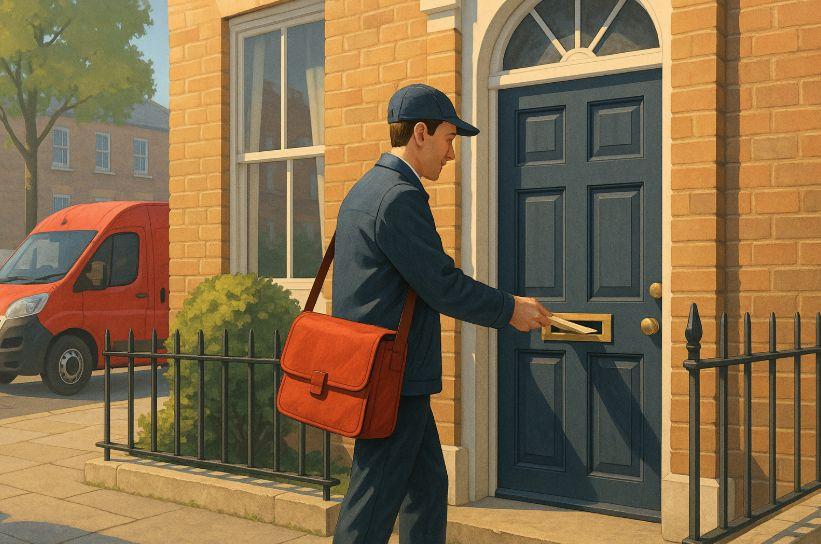
The time it takes to receive a PIP award letter in 2026 can vary, but most people can expect it within 2 to 6 weeks after the DWP has made its decision. While some letters arrive sooner, the final delivery still depends on internal processing and postal services.
In recent months, the Department for Work and Pensions (DWP) has made efforts to reduce backlogs, meaning timelines are slightly faster and more predictable compared to previous years.
Average Timelines from Claim to Award Letter in 2026
The full process can be broken down into key stages:
What Affects the Waiting Time?
Several factors can influence how quickly you receive your award letter:
- Claim complexity – More medical evidence may take longer to review
- Assessment type – Increased face-to-face assessments in 2026 can slightly affect timelines
- DWP workload – High volumes of applications may slow processing
- Postal delays – Bank holidays, strikes, or disruptions can delay delivery
Does Location Affect Delivery Speed?
For those living in cities like London, postal delivery may be slightly faster compared to rural areas. However, the decision-making process itself is the same across the UK, so overall timelines remain similar regardless of location.
What Happens After the PIP Assessment 2026?
After the assessment is completed, the assessor’s report is sent to the DWP for review. The process that follows involves several stages.
Review of Evidence
The decision maker examines the assessment report along with any medical evidence submitted during the claim. They determine the claimant’s eligibility and award level.
Recording the Decision
Once the decision is finalised, it is recorded in the DWP system. This step is important because it triggers the preparation of the award letter.
Preparing and Sending the Letter
The letter is generated, printed, and posted to the claimant’s address. In some cases, the DWP may telephone the claimant to inform them of the outcome before the letter arrives, but the written letter remains the official notification.
Why Might the PIP Award Letter Be Delayed in 2026?
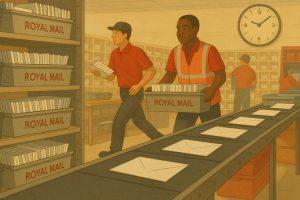
Although most PIP award letters arrive within a few weeks of the decision, delays can still happen in 2026. These are usually due to operational, administrative, or external factors rather than the outcome of your claim.
Understanding the common causes can help you manage expectations and take action if needed.
Common Reasons for Delays in 2026
High Volume of Claims
The Department for Work and Pensions (DWP) continues to handle a large number of applications. During peak periods, this can slow down both decision processing and letter dispatch.
Increase in Face-to-Face Assessments
In 2026, more assessments are being conducted in person again. While this improves accuracy, it can sometimes extend processing times compared to remote assessments.
Requests for Additional Evidence
If the DWP needs more medical or supporting documents, your claim may be paused until the required information is received and reviewed.
Postal Service Disruptions
Delays from Royal Mail — including strikes, bank holidays, or severe weather — can affect how quickly your letter arrives after it has been sent.
Administrative Errors
Simple issues such as incorrect address details, missing information, or system processing errors can result in letters being delayed or reissued.
Does a Delay Mean Your Claim Was Unsuccessful?
No. A delay does not indicate whether your claim has been approved or rejected. In most cases, it simply reflects processing or delivery issues rather than the decision itself.
When Should You Be Concerned?
You should consider following up if:
- It has been more than 2 weeks since the decision was made
- You were told a decision has been made but no letter has arrived
- Your contact or address details have recently changed
In these cases, contacting the DWP directly can help confirm the status and request a duplicate letter if necessary.
How Can Claimants Track Their PIP Application?
While there is currently no full online tracking system for PIP in the UK, there are still ways to check progress.
Calling the PIP Helpline
Claimants can speak directly to a DWP representative for updates on their claim or to confirm if a decision has been made.
Receiving Text Notifications
In some cases, the DWP sends text updates when the application moves to a new stage.
Using Support Organisations
Charities and advice agencies such as Citizens Advice can assist claimants in contacting the DWP and requesting updates.
What Should You Do If Your PIP Award Letter Hasn’t Arrived?
If a reasonable time has passed and no letter has been received, it is important to take action.
Confirming the Decision Date
The first step is to contact the DWP to check the date on which the decision was made. This helps establish whether the delay is within normal timeframes.
Verifying Address Details
If there has been an address change, this should be reported immediately to avoid missed correspondence.
Requesting a Copy
The DWP can issue a duplicate letter if the original is lost in the post.
Seeking Advice
If delays continue without explanation, independent support organisations can help escalate the matter.
How Soon After Receiving the PIP Award Letter Will Payments Start?

Receiving your PIP award letter is a key milestone, but payments do not always begin immediately. In 2026, most claimants can expect their first payment within 1 to 3 weeks after the decision is made, not necessarily after the letter arrives.
In many cases, the payment process is triggered as soon as the decision is finalised, meaning your money may arrive around the same time as your letter—or even slightly before it.
Typical Payment Timeline in 2026
- Decision made by DWP → Payment process begins
- First payment received → Usually within 1 to 3 weeks
- Award letter arrives → Typically within 1 to 2 weeks
This means there can sometimes be an overlap between receiving your letter and your first payment.
What About Back Payments?
If your claim has been successful and you are owed money from an earlier date:
- Back payments are usually paid as a lump sum
- They are often deposited before or alongside your first regular payment
- The amount depends on when your entitlement started
What Can Delay Your First Payment?
Even in 2026, a few factors can affect how quickly you receive your money:
- Incorrect bank details provided during your claim
- Weekends and UK bank holidays slowing processing
- Additional verification checks by the DWP
- High payment volumes during busy periods
What Should You Do If Payment Is Delayed?
If you haven’t received your payment within 3 weeks of the decision:
- Contact the DWP to confirm payment status
- Check that your bank details are correct
- Ask if any additional checks are pending
Key Takeaway
In 2026, most PIP payments begin within 1 to 3 weeks of the decision, and in some cases, the money may arrive before your award letter due to faster payment processing.
How Does the Appeal Process Work If You Disagree With Your PIP Decision?
If a claimant disagrees with the award decision, there is a formal appeal process.
Mandatory Reconsideration
This is the first stage, where the DWP reviews the decision again based on the claimant’s feedback. The request must be made within one month of receiving the decision letter.
Tribunal Appeal
If the reconsideration does not change the outcome, the claimant can appeal to an independent tribunal. This process can take several months but offers the opportunity for a fresh review of the case.
How Does the PIP Award Letter Affect Other Benefits?
The PIP award letter is not just about receiving PIP payments. it can also have an impact on other forms of financial support. Many benefits and local council schemes use the award letter as proof of eligibility.
Qualifying for Additional Support
Some benefits, such as the Carer’s Allowance or certain housing benefits, require proof of a disability award. The PIP award letter serves as official evidence for these applications.
Council Tax Reductions
In some London boroughs, receiving PIP can mean a reduction in council tax. The award letter must be submitted to the local authority to access this help.
Travel Concessions
A PIP award letter can also be used to apply for disabled travel passes, such as free bus travel or discounted rail tickets.
What Information Is Included in the PIP Award Letter?
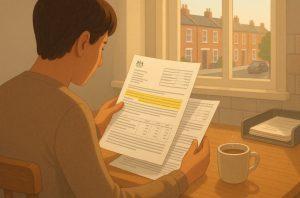
Understanding what the award letter contains can help claimants prepare for the next steps after receiving it.
Award Decision Details
The letter states whether the claim was successful, the level of the award (standard or enhanced rate), and whether the award is for the daily living component, the mobility component, or both.
Payment Start Dates
It includes the date from which payments will begin and, in cases where back pay is due, the date from which entitlement has been recognised.
Next Steps and Appeals
The letter also outlines the process for requesting a mandatory reconsideration if the claimant disagrees with the decision.
How Will PIP Award Letter Waiting Times Change in the Future?
Waiting times for PIP award letters in 2026 are influenced by operational capacity, but future improvements could shorten delays.
Digital Communication Possibilities
There have been discussions about introducing digital notifications alongside posted letters. This could give claimants immediate access to their decision.
Staffing and Resources
If the DWP increases staffing levels or streamlines its processes, decision and delivery times could improve.
Postal Service Reliability
The speed and reliability of the postal service will also remain a key factor in how quickly letters arrive in the future.
How Has the PIP Process Improved in 2026?
The PIP process in 2026 has not undergone a complete overhaul, but there have been noticeable operational improvements and ongoing reforms aimed at making the system more efficient and consistent. While major rule changes are still under review, claimants are experiencing a faster and more structured process compared to previous years.
Key Improvements in the PIP Process (2026)
1. Faster Processing and Reduced Backlogs
The Department for Work and Pensions (DWP) has focused on reducing delays in decision-making. As a result, many claimants are now seeing slightly shorter waiting times between assessment and final decision.
2. Increased Use of Face-to-Face Assessments
From April 2026, more assessments are being carried out in person rather than by phone or video. This is intended to improve accuracy and fairness in decisions.
While this can sometimes add time, it helps produce more reliable outcomes.
3. Better Communication with Claimants
The DWP has made improvements in how it communicates decisions, including clearer information in letters and occasional updates during the process.
4. Fewer Unnecessary Reassessments
For some claimants whose conditions are unlikely to change, there are now fewer frequent reassessments, reducing stress and administrative burden.
5. Ongoing Review to Improve the System
In 2026, the government has launched a wider review of the PIP system (often referred to as the Timms Review), allowing disabled people to share feedback and shape future improvements.
However, most major rule changes are not yet implemented and may come later.
Are There Any Major Rule Changes in 2026?
Despite discussions about stricter eligibility or assessment criteria, no major immediate changes to existing PIP rules have been fully implemented in 2026.
- Current rules remain largely the same
- Future changes are still under consultation or review
Overall Impact
In 2026, the PIP process is:
- Slightly faster
- More structured
- Better communicated
- Less stressful for some long-term claimants
However, it still relies heavily on:
- Manual assessments
- Evidence-based decisions
- Postal communication
Key Takeaway
The biggest improvement in 2026 is not a dramatic policy change, but a more efficient and stable system, with ongoing reforms expected to shape the future of PIP in the coming years.
Conclusion
For those wondering how long to wait for a PIP award letter in 2026, the usual timeframe is two to eight weeks after the decision is made. While many letters arrive sooner, delays can occur due to postal issues, backlogs, or requests for additional information. Staying in contact with the DWP and keeping details up to date can help ensure that the process moves as smoothly as possible.
FAQs About PIP Award Letter Waiting Time in 2026
Can the DWP call instead of sending a PIP award letter?
Yes, the DWP may call to inform you of the outcome, but this is only informal. The official decision is always confirmed through a written award letter.
How do weekends and bank holidays affect delivery?
They can delay delivery, as postal services do not operate on weekends or bank holidays, which may extend the arrival time of your letter.
Is the waiting time different in London compared to other areas?
Postal delivery in London may be slightly faster, but the DWP’s decision-making process is the same across the UK.
Can PIP payments start before the letter arrives?
Yes, in some cases. Payments are triggered once the decision is made, so you may receive your first payment around the same time as — or occasionally before — the letter arrives.
What should I do if my PIP award letter is lost in the post?
If your letter has not arrived within two weeks of the decision, contact the DWP to confirm your details and request a duplicate copy.
Does a delay mean my claim has been unsuccessful?
No. Delays are usually caused by processing, administrative, or postal issues and do not indicate the outcome of your claim.
Is there any way to speed up receiving the letter?
While you cannot directly speed up delivery, you can avoid delays by responding quickly to any DWP requests and ensuring your contact details are correct.
How can I check if a decision has already been made?
You can contact the DWP helpline to ask if a decision has been made and whether your award letter has been sent.
Leave feedback about this