







Last Updated: April 2026
📌 Key Takeaway
If you’re wondering how much is a 1st and 2nd class stamp in 2026, the latest Royal Mail prices are £1.80 for 1st Class and £0.91 for 2nd Class. Prices are fixed across the UK, with faster delivery for 1st Class and better savings with 2nd Class.
Quick Snapshot
✔ 1st Class: Next working day delivery
✔ 2nd Class: 2–3 working days
✔ Same price across the UK (no regional difference)
✔ Barcoded stamps only (older stamps not valid)
✔ Prices updated in April 2026
Stamp Price Overview (2026)
| Mail Type | Weight | 1st Class | 2nd Class |
|---|---|---|---|
| Letter | Up to 100g | £1.80 | £0.91 |
| Large Letter | Up to 100g | £2.10 | £1.55 |
| Large Letter | 101–250g | £2.70 | £1.95 |
| Small Parcel | Up to 1kg | £4.69 | £3.49 |
| Medium Parcel | Up to 2kg | £6.99 | £5.49 |
As postage continues to be an essential part of everyday communication in the UK, many people in 2026 are asking a simple but vital question: How much is a 1st and 2nd class stamp cost? Whether you’re sending a birthday card across London or mailing business invoices, it’s important to know how much you’ll be paying for stamps and what services Royal Mail currently offers.
With Royal Mail updating prices annually and introducing barcoded stamps across the UK, this breakdown will help you understand the full picture: the current stamp costs, the reasons behind price changes, and how to save on postage in 2026.
How much is a 1st and 2nd class stamp in 2026?
• 1st Class Stamp: £1.80
• 2nd Class Stamp: £0.91
1st Class delivers next working day, while 2nd Class takes 2–3 working days.
How Much is a 1st and 2nd Class Stamp in the UK in 2026?
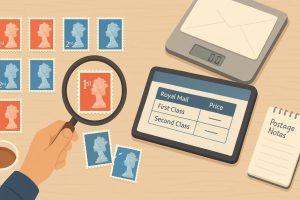
As of 2026, the cost of a First Class stamp is £1.80, and a Second Class stamp costs £0.91 for standard letters up to 100 grams. These prices apply across all UK addresses and cover delivery from Monday to Saturday.
Here’s the updated pricing table for letters and parcels:
These prices are consistent across the UK due to the universal pricing policy set by Royal Mail.
Why Does Royal Mail Increase Stamp Prices?
Inflation and operational costs
Rising expenses related to transport, staffing, and delivery logistics have significantly increased Royal Mail’s operational costs in recent years. To cover these expenses, stamp prices are adjusted annually, usually in March or July.
Decrease in letter volume
Digital alternatives like email and online billing have significantly reduced the volume of traditional letters. As fewer people send physical mail, Royal Mail’s cost-per-letter increases, which affects the base price of stamps.
Universal Service Obligation (USO)
Royal Mail must deliver six days a week to every address in the UK. This includes remote and rural areas where delivery costs are higher. The expense of fulfilling this nationwide service mandate is reflected in stamp pricing.
What’s the Difference Between 1st and 2nd Class Mail?
Speed and priority
First Class mail is prioritised in the sorting and delivery process and typically arrives the next working day, including Saturdays. Second Class mail is more affordable and usually arrives within 2–3 working days.
Price and use case
First Class is ideal for urgent documents and time-sensitive communication. Second Class is commonly used for personal letters, bulk business mail, and items that don’t require immediate delivery.
Where Can You Buy First and Second Class Stamps?
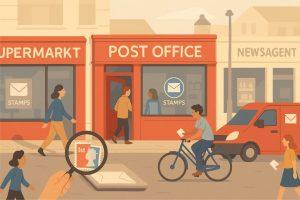
Online via Royal Mail’s official website
The easiest way to buy stamps is through Royal Mail’s Click & Drop platform. This service allows users to:
- Purchase barcoded stamps
- Print postage labels at home
- Arrange parcel pickups from home or business addresses
At Post Offices and retail stores
Stamps are also available at:
- Post Office branches
- High-street retailers (WHSmith, Ryman)
- Supermarkets (Tesco, Sainsbury’s)
- Newsagents and convenience stores
Most retailers offer stamp booklets in packs of six or twelve, providing a convenient option for regular senders and occasionally at a reduced rate.
Can Businesses Get Cheaper Stamp Prices?
Yes, businesses in the UK can often access cheaper postage rates compared to standard stamp prices, especially when sending mail in bulk through Royal Mail.
How Businesses Save on Stamp Costs?
1. Royal Mail Business Account
Businesses that send mail regularly can open a business account with Royal Mail. This offers:
- Discounted postage rates
- Flexible billing (monthly invoicing)
- Access to bulk mailing tools
2. Volume-Based Discounts
The more letters or parcels you send, the lower your cost per item.
This is ideal for:
- E-commerce businesses
- Invoice or statement mailing
- Marketing campaigns
3. Online Postage (Click & Drop)
Using Royal Mail’s online platform allows businesses to:
- Print labels at home
- Access slightly reduced rates vs in-store
- Track and manage shipments more efficiently
4. Business Mail Services
Options like:
- Business Mail 1st & 2nd Class
- Advertising Mail
- Tracked Services
These are priced lower than regular stamps when used at scale.
When Discounts Apply?
Businesses typically benefit when they:
- Send large volumes regularly
- Use pre-sorted or batched mail
- Commit to ongoing mailing contracts
Quick Comparison
While standard stamp prices are fixed across the UK, businesses can significantly reduce costs by using bulk mailing services and business accounts instead of buying individual stamps.
If you’re sending mail frequently, switching from stamps to business postage solutions can lead to noticeable long-term savings.
What Are Barcoded Stamps and Why Are They Required?
Introduction of 2D barcoded stamps
In 2023, Royal Mail introduced barcoded stamps to enhance delivery accuracy, add digital functionality, and strengthen anti-fraud measures. As of 31 July 2023, only barcoded stamps are valid.
Swap Out scheme for old stamps
Anyone holding older, non-barcoded stamps can trade them in through Royal Mail’s official Swap Out programme to receive updated, valid replacements. The process is free and can be done via post by filling out a form available on their website.
Can You Save Money on Postage?
Use Second Class where possible
For non-urgent mail, Second Class is a smart, budget-friendly option. You save £0.50 per letter, which adds up over time, especially for businesses or frequent senders.
Buy stamps before price increases
Royal Mail usually announces price changes in advance. Buying stamps ahead of these hikes ensures you pay the current rate, even if you use them later.
Use Royal Mail Business Accounts
For SMEs and high-volume senders, Royal Mail offers business accounts with discounted rates, batch processing tools, and monthly invoicing.
How Do Stamp Prices Compare to Couriers?
While Royal Mail provides nationwide coverage and affordability for small letters, couriers can be more competitive for parcels, especially for tracked or next-day delivery.
Royal Mail remains the preferred choice for letters, documents, and low-weight parcels, but alternative carriers may offer better rates for bulk or urgent deliveries.
What Should You Avoid When Using Stamps?
Underpaying postage
Using the wrong stamp or weight estimate may result in surcharges for the recipient. It’s essential to weigh and measure your item accurately or get it checked at the Post Office.
Using expired or non-barcoded stamps
From 2026 onward, non-barcoded stamps are invalid. Attempting to use them could delay your mail or result in it being returned.
Assuming you can reuse stamps
Stamps are strictly single-use. Attempting to reuse them is not only against Royal Mail’s terms but could be considered fraud.
What Are the Delivery Timeframes for UK Stamp Services in 2026?
Expected arrival times for First and Second Class
In 2026, First Class mail generally arrives at its destination within one working day, including Saturdays. This service is prioritised throughout Royal Mail’s network and is designed for urgent or time-sensitive items such as legal documents, formal invitations, or business correspondence.
Second Class mail is more budget-friendly but slightly slower, with expected delivery within two to three working days. While it’s not guaranteed, the vast majority of Second Class mail reaches its destination within this timeframe, making it ideal for general letters, cards, and non-urgent items.
Factors that may affect delivery speed
Although Royal Mail strives to meet its delivery promises, certain variables may impact how quickly an item is received. These include bad weather, postal strikes, incorrect addressing, or seasonal surges (like during Christmas or Black Friday). Urban areas like London tend to experience faster delivery, while rural or remote addresses may face slight delays.
To ensure timely arrival, it’s best to post items before the final collection time of the day and use clear, accurate addressing with the correct postcode.
What Tools Can Help You Calculate Postage Accurately?
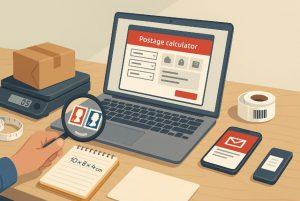
Using Royal Mail’s Price Finder
Royal Mail’s Price Finder tool is an essential resource for determining the exact cost of postage based on item size, weight, and destination. Whether you’re mailing a letter within the UK or sending a parcel abroad, the tool ensures that you choose the correct stamp or service without overpaying or underpaying.
To use the tool:
- Visit royalmail.com/price-finder
- Select the type of item you’re sending
- Enter the weight and dimensions
- Choose the destination (UK or international)
- View available services and costs instantly
This tool is especially helpful for small businesses, online sellers, and anyone unsure about stamp pricing for larger or international items.
Mobile apps and in-store weighing services
Royal Mail also offers a mobile app that allows users to check prices, print postage, and even track deliveries. For those without a scale at home, visiting a local Post Office or parcel drop-off point provides accurate weighing and pricing advice from trained staff.
By using these tools, you reduce the risk of underpaid postage and gain confidence in your mailing process whether you’re sending one letter or managing bulk dispatches.
Will Royal Mail Stamp Prices Increase Again in 2026?
Yes, stamp prices have already increased in April 2026, and while no further confirmed rise has been announced yet, more increases are very likely in the future.
What Happened in 2026?
- Prices increased on 7 April 2026
- 1st Class stamp → £1.80
- 2nd Class stamp → £0.91
This continues a pattern of regular yearly price rises
Why Prices Keep Increasing
There are a few major reasons behind ongoing increases:
1. Rising operational costs
Fuel, transport, staffing, and infrastructure costs are increasing
2. Fewer letters being sent
Traditional mail volumes have dropped significantly due to digital communication
3. Universal Service Obligation (USO)
Royal Mail must deliver across the entire UK, even in remote areas
4. Financial pressure & reforms
Recent changes to delivery schedules and service targets show the company is restructuring to stay sustainable
Could Prices Rise Again Later in 2026?
Possible, but not guaranteed
- Royal Mail typically reviews prices once or twice a year
- If costs increase further or regulations change, another rise could happen
- There are even discussions about removing limits on price increases for some services
Trend You Should Know (Important for SEO)
- 1st Class stamp prices have more than doubled in recent years
- Multiple increases have happened almost every year
This strongly suggests:
Future increases are very likely over time
Key Takeaway
- Prices already increased in April 2026
- No confirmed second increase yet
- Long-term trend shows continued price rises are likely
Conclusion
To answer the main question how much is a 1st and 2nd class stamp in 2026 the latest prices from Royal Mail stand at £1.80 for a 1st Class stamp and £0.91 for a 2nd Class stamp for standard letters.
Despite ongoing price increases, First and Second Class postage continue to play an essential role in everyday communication across the UK. First Class remains the best choice for urgent, next-day delivery, while Second Class offers a reliable and more affordable option for non-urgent mail.
As mailing habits evolve and costs continue to rise, staying updated with the latest stamp prices ensures you avoid overpaying and choose the most cost-effective option. Whether you’re sending personal letters or managing business mail, understanding how much a 1st and 2nd class stamp costs helps you plan smarter and send with confidence.
FAQs
How many stamps do I need for heavier letters?
If your letter exceeds the standard 100g limit, you may need multiple stamps or higher-value postage. It’s best to check weight and size using Royal Mail’s pricing tools before sending.
Can I use a mix of different stamps on one letter?
Yes, you can combine multiple stamps of different values to meet the required postage cost. Just ensure the total value covers the correct rate.
What happens if no one pays the underpaid postage fee?
If the recipient refuses to pay the surcharge, the item is usually returned to the sender or may remain undelivered depending on the situation.
Are there discounts for buying stamp booklets?
Stamp booklets (e.g., packs of 6 or 12) are mainly for convenience. While discounts are rare, they can sometimes offer better value for frequent users.
Can I send international mail using UK stamps?
Standard UK stamps are only valid for domestic mail. For international letters, you must use international postage or the correct service label.
Do stamp prices change during the year?
Yes, prices are usually reviewed annually, but in some cases, additional changes can occur depending on costs and regulations.
Is there a cheaper alternative to stamps for parcels?
Yes, courier services and online postage platforms can sometimes offer lower prices and tracking, especially for parcels and bulk shipping.
What is the latest time I can post a letter for next-day delivery?
This depends on your local postbox or Post Office collection time. Posting before the final daily collection increases the chance of next-day delivery.
Can stamps expire or lose value over time?
Barcoded stamps do not expire, but older non-barcoded stamps are no longer valid unless exchanged through Royal Mail’s scheme.
Is it cheaper to print postage online instead of using stamps?
In some cases, yes. Online postage can offer slightly lower rates and added convenience, especially for parcels and tracked services.
Leave feedback about this