







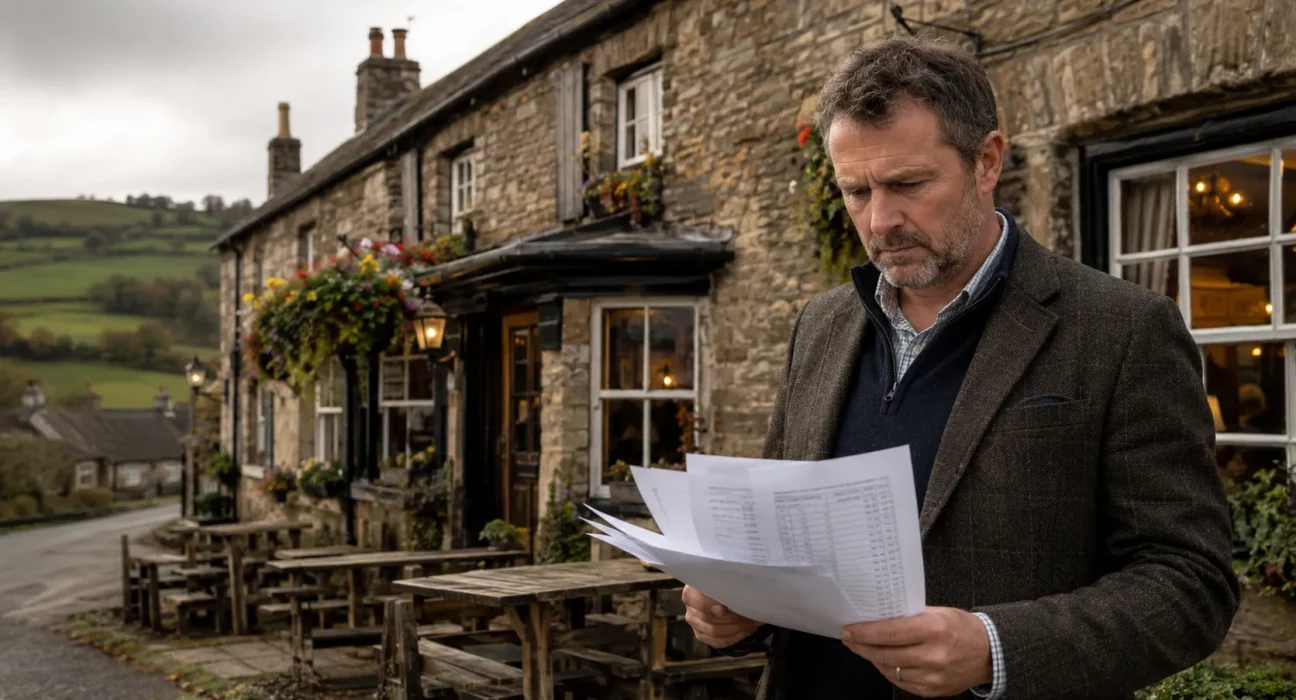
Labour Government Rural Pub Tax: Quick Snapshot for Landlords
Key Takeaway
Rural pub landlords face higher business rates due to revised valuation rules, rising rateable values, and reduced pandemic-era relief.
Government Response
Eligible pubs may receive a 15% business rates discount, transitional protection, and a two-year real-terms freeze.
Landlord Action
Landlords should check local authority portals to confirm relief has been applied and review their rateable value.
At-a-Glance Snapshot
| Main Issue | Higher rural pub business rates after 2026 valuation changes |
| Nickname | “Nice Pub Tax” |
| Most Affected | Rural, historic, scenic, and community-focused pubs |
| Key Relief | 15% emergency business rates discount for eligible pubs |
| Next Review | Major business rates review expected around the 2029 revaluation cycle |
2026 Pub Business Rates Multipliers
How Are Rising Employment Costs Adding to the Pressure on Rural Pub Landlords?
While business rates have dominated headlines, they represent only one part of the financial challenge facing rural hospitality businesses.
Over the past several years, pub operators have been forced to absorb a steady increase in employment-related expenses. Labour-intensive businesses such as pubs rely heavily on staff across bar operations, kitchens, housekeeping, management, and customer service functions.
National Insurance Contribution Increases
Many landlords have highlighted rising employer National Insurance contributions as a significant concern.
Although individual changes may appear modest on paper, the cumulative impact can be substantial for businesses employing multiple staff members. For independent pubs operating on narrow margins, increased payroll expenses directly affect profitability.
National Living Wage Growth
The hospitality industry has generally supported higher wages for workers. However, many operators argue that rapid increases in employment costs have not been matched by reductions elsewhere.
Rural pubs often employ local residents and provide valuable employment opportunities within villages and market towns. Rising wage obligations therefore create additional financial pressure on businesses already dealing with increased property taxation.
Recruitment and Retention Challenges
Staff shortages remain a persistent issue throughout the hospitality sector.
Many rural areas face limited labour pools, forcing businesses to offer higher wages and enhanced benefits to attract and retain employees. As a result, operating costs continue to rise even before business rates are taken into account.
For many landlords, the challenge is no longer a single tax increase but rather the combined impact of multiple cost pressures occurring simultaneously.
How Could the Labour Government Rural Pub Tax Affect Rural Communities?
The discussion surrounding business rates is not solely about pub owners.
Many rural communities view their local pub as essential infrastructure that contributes to social wellbeing, economic activity, and community cohesion.
The Social Role of Village Pubs
In many villages, the local pub serves multiple functions beyond hospitality.
It may act as:
- A meeting place for community groups
- A venue for local events
- A support network for older residents
- A gathering space for sports teams
- A tourism attraction that brings visitors into the local economy
The closure of a pub can therefore have consequences that extend far beyond the business itself.
Economic Impact on Rural Areas
Pubs support local economies through direct and indirect spending.
They create employment opportunities, purchase goods from local suppliers, and attract visitors who may also spend money in nearby shops, accommodation providers, and attractions.
When operating costs increase significantly, investment in these areas may slow.
Some landlords may postpone renovations, reduce staffing levels, or scale back services in order to manage rising expenses.
Community Concerns About Closures
Industry organisations have repeatedly warned that excessive cost burdens could accelerate the closure of independent pubs.
While not every rural pub faces closure, community groups remain concerned about the long-term sustainability of smaller venues that lack the financial resources of larger pub chains.
How Can Rural Pub Landlords Reduce the Impact of Higher Business Rates?
Although landlords cannot control government policy, they can take practical steps to manage financial risks and improve resilience.
Reviewing Business Rates Assessments
The first step is ensuring that rateable values are accurate.
Errors in property information, measurements, or valuation assumptions can sometimes result in inflated assessments.
Landlords should carefully review their latest valuation notices and seek professional advice where appropriate.
Checking Relief Eligibility
Many businesses fail to claim all available reliefs.
Available support may include:
- Small Business Rates Relief
- Transitional Relief
- Rural Rate Relief
- Pubs and Live Music Venues Relief
- Local authority discretionary relief schemes
Eligibility rules can vary, making regular reviews important.
Improving Operational Efficiency
Many operators are investing in measures designed to offset rising costs.
Common strategies include:
- Energy efficiency improvements
- Menu engineering
- Enhanced booking systems
- Diversification into accommodation
- Event hosting
- Tourism partnerships
These initiatives can help generate additional revenue streams while reducing operational expenditure.
Seeking Professional Advice
Business rates legislation can be complex.
Professional advisers specialising in hospitality property taxation may help identify opportunities for relief, appeals, or future planning.
For landlords facing significant increases, expert advice can often provide valuable long-term savings.
What Could the Future Hold for Rural Hospitality Businesses?
The future of rural pubs will depend on a combination of government policy, economic conditions, consumer behaviour, and industry adaptation.
Despite current challenges, many analysts remain optimistic about the long-term appeal of traditional British pubs.
Continued Demand for Authentic Experiences
Consumer preferences continue to favour authentic hospitality experiences.
Historic pubs, countryside venues, and community-focused establishments remain popular among both local residents and tourists.
This demand provides opportunities for operators who can successfully adapt to changing market conditions.
Potential Policy Reforms
The Treasury’s ongoing review suggests that policymakers recognise concerns surrounding current valuation methods.
Future reforms may seek to create a better balance between taxation, business sustainability, and community preservation.
However, meaningful changes are unlikely to occur before the next major revaluation cycle.
Innovation Across the Sector
Many rural pubs are evolving beyond their traditional role.
Operators are increasingly introducing:
- Boutique accommodation
- Premium dining experiences
- Local produce partnerships
- Event spaces
- Community services
- Tourism packages
These developments may help strengthen the sector’s resilience against future economic challenges.
How Are Heritage and Listed Buildings Being Affected by the New Valuation Rules?
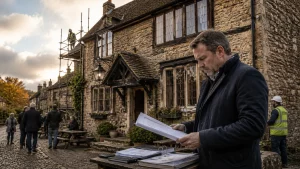
One of the most controversial aspects of the 2026 business rates changes is the impact on heritage pubs and listed buildings.
Many of Britain’s most iconic rural pubs operate from historic properties that are often centuries old. These buildings contribute significantly to local tourism, community identity, and the preservation of British architectural heritage. However, under the revised valuation framework, some of the very features that make these pubs unique may now contribute to higher rateable values.
Historic Character and Commercial Value
Valuation officers increasingly consider factors that influence a property’s attractiveness and earning potential.
These factors may include:
- Listed building status
- Original architectural features
- Traditional interiors
- Historic significance
- Tourism appeal
- Unique character not found in modern premises
From a valuation perspective, these qualities can make a pub more desirable and therefore potentially more valuable as a commercial asset.
However, many landlords argue that historic buildings also come with significant financial burdens. Maintenance costs are often considerably higher than those associated with modern properties. Repairs frequently require specialist materials and skilled tradespeople, while planning restrictions can limit the ability to make cost-saving alterations.
The Cost of Preserving Heritage
Unlike newer hospitality venues, listed pubs often face strict regulations regarding renovations and improvements.
Common challenges include:
- Higher maintenance expenses
- Specialist conservation requirements
- Increased insurance costs
- Energy efficiency limitations
- Longer approval processes for building works
As a result, many operators believe that valuation systems should give greater consideration to the financial realities of maintaining heritage properties.
Balancing Preservation and Taxation
The debate raises an important policy question: should historic community assets be taxed in the same way as purely commercial properties?
Supporters of the current approach argue that business rates should reflect market value and earning potential.
Critics contend that heritage pubs provide cultural and social benefits that extend far beyond commercial activity. They believe future reforms should better recognise the role these establishments play in preserving Britain’s rural character.
This issue is expected to remain a significant part of the government’s ongoing review of business rates methodology ahead of the 2029 revaluation cycle.
How Can Pub Investors and Landlords Prepare for Future Business Rates Changes?

While much attention has focused on current tax increases, experienced operators are already planning for the next phase of business rates reform.
Business rates are not static. Economic conditions, government policy, property values, and future revaluations can all influence future liabilities.
For landlords and investors, preparation is becoming increasingly important.
Conducting Regular Property Reviews
One of the most effective strategies is conducting periodic reviews of property assessments.
Landlords should regularly examine:
- Rateable value notices
- Local authority communications
- Relief eligibility requirements
- Property alterations affecting valuations
- Future development plans
Early identification of potential issues can help businesses avoid unexpected financial surprises.
Building Greater Financial Resilience
Many successful pub operators are focusing on strengthening their financial position through diversification.
Examples include:
- Expanding food-led operations
- Introducing accommodation offerings
- Hosting private events
- Developing outdoor hospitality spaces
- Partnering with local tourism businesses
Additional revenue streams can help offset future increases in taxation or operating costs.
Monitoring Government Policy Developments
The Treasury’s review of business rates methodology may lead to significant changes over the coming years.
Landlords who stay informed about consultations, industry recommendations, and policy announcements will be better positioned to adapt to future reforms.
Industry bodies such as hospitality trade associations often provide updates and guidance regarding proposed legislative changes.
Taking a Long-Term Approach
Despite current challenges, many industry experts remain optimistic about the long-term future of well-run rural pubs.
Demand for authentic hospitality experiences continues to grow, particularly among domestic tourists seeking traditional British venues.
By combining careful financial planning, operational efficiency, and strategic investment, many landlords can position their businesses to remain competitive regardless of future business rates reforms.
For investors, understanding the evolving taxation landscape will be just as important as location, customer demand, and operational performance when assessing opportunities within the rural hospitality sector.
Conclusion
The Labour Government Rural Pub Tax has become one of the most debated issues within the UK hospitality sector during 2026. Although there is no official tax bearing this name, the combination of revised valuation rules, significant business rates increases, and the withdrawal of pandemic-era relief has created substantial financial pressure for thousands of rural pubs.
The controversy surrounding the so-called “Nice Pub Tax” highlights a broader debate about how Britain values its community assets. Supporters of the current system argue that business rates should reflect a property’s true commercial value. Critics believe that rural pubs are being penalised for preserving heritage buildings, maintaining attractive venues, and serving as vital community hubs.
The government’s emergency intervention, including the 15% business rates discount, transitional protections, and temporary rate freezes, has provided important relief. However, many landlords remain concerned about long-term affordability and future valuation changes.
For pub owners, the most important action is to remain proactive. Reviewing rateable values, checking relief eligibility, monitoring local authority communications, and seeking specialist advice where necessary can help reduce unnecessary costs.
As the Treasury prepares for the next major review leading towards the 2029 revaluation cycle, the future of rural pubs will remain closely linked to the balance between taxation, economic sustainability, and community preservation. The coming years are likely to determine whether these cherished institutions continue to thrive at the heart of rural Britain.
FAQs
Can pub landlords appeal their business rates valuation?
Yes. Landlords who believe their rateable value is inaccurate can challenge the assessment through the Valuation Office Agency process. Supporting evidence is usually required to demonstrate why the valuation may be incorrect.
Does the 15% relief apply automatically?
In many cases, eligible businesses should receive the relief through their local authority. However, landlords should always review their business rates bill to confirm the discount has been correctly applied.
Are urban pubs affected by the valuation changes?
Yes. The 2026 revaluation applies across England. However, rural pubs have attracted greater attention because qualitative factors such as heritage value and scenic locations can have a more pronounced effect on their assessments.
Can community-owned pubs receive business rates relief?
Community-owned pubs may qualify for certain relief schemes depending on their structure, rateable value, and local authority policies. Eligibility should be checked individually.
How often are business rates reassessed in England?
Business rates revaluations are generally conducted on a periodic basis to ensure assessments reflect current market conditions and trading environments.
Will future governments reverse the current valuation rules?
There is no certainty regarding future policy changes. Any reforms would depend on Treasury reviews, political priorities, and recommendations arising from the 2029 revaluation process.
Why are rural pubs considered important to local economies?
Rural pubs generate employment, attract tourism, support local suppliers, and provide social spaces that contribute to community wellbeing. Their economic and social value often extends beyond direct hospitality revenue.