








Acne remains one of the most common skin concerns among college students and young adults. Between academic pressures, changing routines, fluctuating hormones, inconsistent sleep schedules, and dietary habits, many students find themselves struggling with persistent breakouts at a time when confidence and self-image matter greatly.
When searching for effective skincare solutions, two names frequently emerge: La Roche-Posay and Neutrogena. Both brands have established strong reputations in the skincare industry and offer dedicated products designed to address acne-prone skin. However, choosing between them can be challenging, particularly for students balancing skincare needs with limited budgets.
The question is not simply which brand is more popular. The more important consideration is which brand offers formulations that effectively manage acne while supporting long-term skin health.
This guide provides an evidence-based comparison of La Roche-Posay and Neutrogena, examining their ingredients, formulations, suitability for different skin types, pricing, and overall effectiveness for acne-prone skin in the UK.
Why Is Acne-Prone Skin So Common Among College Students?

Acne develops when pores become clogged with excess oil, dead skin cells, and bacteria. While acne can affect individuals of any age, it is particularly prevalent among students and young adults.
Several factors contribute to this trend:
- Hormonal fluctuations increase oil production.
- Academic stress may contribute to inflammation and skin sensitivity.
- Irregular sleep patterns can affect skin repair processes.
- Dietary choices may influence acne in some individuals.
- Frequent use of makeup, sunscreen, and skincare products can sometimes lead to congestion if products are not suitable.
For many students, acne is not simply a cosmetic concern. It can affect confidence, social interactions, and overall wellbeing.
Understanding the causes of acne is the first step towards selecting products that address the root of the problem rather than simply masking symptoms.
Understanding Acne-Prone Skin: What Causes Persistent Breakouts?
Acne-prone skin typically exhibits one or more of the following characteristics:
Excess Sebum Production
Sebaceous glands produce oil to protect the skin. However, excessive oil production can contribute to blocked pores and breakouts.
Blocked Hair Follicles
Dead skin cells can accumulate within pores, preventing oil from exiting normally.
Bacterial Activity
Cutibacterium acnes (formerly Propionibacterium acnes) naturally exists on the skin. When trapped within clogged pores, it may contribute to inflammation.
Inflammation
Inflammatory responses can lead to red, swollen pimples and deeper cystic lesions.
Genetic Predisposition
Family history often plays a significant role in determining acne severity and persistence.
Because multiple factors contribute to acne, effective treatment typically requires products that address more than one underlying cause.
What Is the Difference Between La Roche-Posay and Neutrogena?
Although both brands target acne-prone skin, they approach skincare differently.
La Roche-Posay
La Roche-Posay is a French dermatological skincare brand known for developing products with sensitive skin in mind. Its formulations often combine active acne-fighting ingredients with barrier-supporting compounds designed to minimise irritation.
The brand’s Effaclar range has become particularly popular among dermatologists and skincare professionals.
Neutrogena
Neutrogena is a globally recognised skincare brand offering a broad range of affordable products. Its acne-focused lines frequently feature active ingredients such as salicylic acid and benzoyl peroxide.
Neutrogena products are widely accessible and often appeal to consumers seeking cost-effective acne solutions.
While both brands target similar concerns, their formulation philosophies differ significantly.
How Does La Roche-Posay Address Acne-Prone Skin?
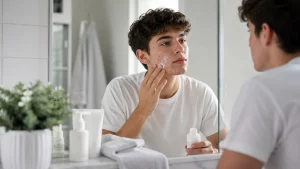
La Roche-Posay has built much of its reputation around creating effective products that remain suitable for sensitive skin.
The Effaclar Range
The Effaclar collection specifically targets acne-prone and oily skin.
Popular products include:
- Effaclar Purifying Foaming Gel
- Effaclar Duo+
- Effaclar Micro-Peeling Purifying Gel
- Effaclar Serum
Salicylic Acid
Many Effaclar products contain salicylic acid, a beta-hydroxy acid known for its ability to penetrate pores and dissolve excess oil and debris.
Benefits include:
- Unclogging pores
- Reducing blackheads
- Preventing future breakouts
- Improving skin texture
Niacinamide
Niacinamide is frequently included to help calm inflammation and strengthen the skin barrier.
Potential benefits include:
- Reduced redness
- Improved hydration
- Better tolerance of acne treatments
- Support for post-acne marks
Skin Barrier Support
One of La Roche-Posay’s strengths is its focus on maintaining skin barrier integrity while treating acne.
This approach can be particularly beneficial for individuals whose skin becomes irritated by stronger acne treatments.
How Effective Are Neutrogena Products for Acne-Prone Skin?
Neutrogena offers numerous products specifically designed to target breakouts.
Common Acne-Focused Products
Popular options include:
- Oil-Free Acne Wash
- Clear & Defend Range
- Stubborn Acne Products
- Hydro Boost formulations for oily skin
Salicylic Acid-Based Solutions
Many Neutrogena products rely heavily on salicylic acid to reduce congestion and excess oil.
Benzoyl Peroxide Treatments
Certain products incorporate benzoyl peroxide, an ingredient recognised for reducing acne-causing bacteria.
Benefits may include:
- Reduced inflammatory acne
- Fewer active breakouts
- Faster spot treatment results
Considerations for Sensitive Skin
While effective, some users report dryness, tightness, or irritation when using stronger Neutrogena acne treatments.
Students with highly sensitive skin may need to introduce these products gradually.
La Roche-Posay vs Neutrogena: A Detailed Comparison for Acne-Prone Skin
Overall Assessment
For students with sensitive or reactive skin, La Roche-Posay often demonstrates an advantage due to its balanced formulations.
For students prioritising affordability, Neutrogena remains a highly competitive option.
Which Brand Performs Better for Different Skin Types?

Oily Acne-Prone Skin
Both brands perform well.
La Roche-Posay’s Effaclar range excels at controlling excess oil without excessive dryness.
Neutrogena’s Oil-Free Acne Wash remains a popular budget-friendly choice.
Combination Skin
Combination skin benefits from products that balance oil control with hydration.
La Roche-Posay generally offers greater flexibility in this area.
Sensitive Acne-Prone Skin
La Roche-Posay is typically the stronger choice.
Many formulations are specifically designed to minimise irritation.
Mild to Moderate Acne
Both brands can provide effective management.
The choice often depends on budget and skin sensitivity.
Persistent Breakouts
For recurrent acne, product consistency and ingredient selection become increasingly important.
La Roche-Posay’s barrier-supportive approach may encourage better long-term adherence.
What Do Dermatologists Look for in Acne Skincare Products?
Professionals rarely evaluate products solely based on brand reputation.
Instead, they assess:
Active Ingredients
Evidence-supported ingredients include:
- Salicylic acid
- Benzoyl peroxide
- Niacinamide
- Retinoids
- Azelaic acid
Non-Comedogenic Formulations
Products should avoid contributing to pore blockage.
Barrier Preservation
Overly aggressive treatment can worsen irritation and compromise results.
Consistency
The most effective routine is often the one that can be maintained consistently over time.
A simple routine followed regularly usually outperforms a complicated routine used inconsistently.
Are La Roche-Posay Products Worth the Additional Cost for Students?
Cost is a significant factor for many college students.
Advantages of Investing in La Roche-Posay
Students may benefit from:
- Advanced formulations
- Reduced irritation
- Better tolerance for long-term use
- Strong dermatological credibility
Advantages of Choosing Neutrogena
Students may appreciate:
- Lower upfront cost
- Broad availability
- Effective active ingredients
- Accessible entry point into acne treatment
Cost-Benefit Perspective
The best value depends on individual needs.
A student with sensitive skin may ultimately save money by using products that minimise irritation and reduce trial-and-error purchases.
Meanwhile, students with resilient skin may achieve excellent results using Neutrogena at a lower cost.
Student Case Study: Choosing Between La Roche-Posay and Neutrogena
Consider a hypothetical university student in London.
The student experiences:
- Oily skin
- Occasional inflammatory acne
- Frequent blackheads
- Sensitivity after using harsh cleansers
Initially, the student uses a strong acne cleanser that leaves the skin feeling tight and uncomfortable.
After switching to a gentler routine incorporating a salicylic acid cleanser, lightweight moisturiser, and daily SPF, the student notices:
- Fewer breakouts
- Less redness
- Improved skin comfort
- Better consistency with the routine
This example illustrates an important principle.
Successful acne management often depends less on using the strongest products and more on selecting balanced formulations that can be used consistently.
Expert Recommendations for Building an Effective Acne-Prone Skincare Routine
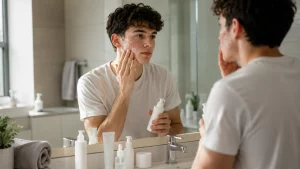
Step 1: Gentle Cleanser
Choose a cleanser containing acne-supportive ingredients without excessive stripping.
Step 2: Targeted Treatment
Introduce ingredients such as:
- Salicylic acid
- Benzoyl peroxide
- Niacinamide
Start gradually to minimise irritation.
Step 3: Moisturiser
Acne-prone skin still requires hydration.
A lightweight non-comedogenic moisturiser can help maintain barrier function.
Step 4: Daily Sunscreen
Sun protection is essential.
UV exposure may worsen post-acne pigmentation and compromise skin recovery.
Step 5: Patience and Consistency
Many acne treatments require six to twelve weeks before significant improvement becomes visible.
Frequent product switching often delays progress.
Confirmed Facts and Evidence-Based Insights About Acne Skincare
Final Verdict: Is La Roche-Posay Better Than Neutrogena for Acne-Prone Skin?
For acne-prone skin, both La Roche-Posay and Neutrogena offer effective products supported by established acne-fighting ingredients.
However, when evaluating formulation quality, skin barrier support, and suitability for sensitive skin, La Roche-Posay generally holds a modest advantage.
Students with sensitive, reactive, or persistent acne-prone skin may find that La Roche-Posay provides a more balanced long-term solution.
Neutrogena remains an excellent option for students seeking affordable and accessible acne treatments, particularly for mild to moderate breakouts.
Ultimately, the most effective choice depends on individual skin type, sensitivity level, acne severity, and budget. Rather than focusing solely on brand names, students should prioritise evidence-based ingredients, consistent routines, and products that support long-term skin health.
FAQs
Can La Roche-Posay help reduce acne scars?
La Roche-Posay products may help improve the appearance of post-acne marks through ingredients such as niacinamide and exfoliating acids. Deep acne scars often require professional treatment.
Is Neutrogena suitable for sensitive acne-prone skin?
Some Neutrogena products are suitable for sensitive skin, although certain acne treatments may cause dryness or irritation. Product selection is important.
How long does it take to see results from acne skincare products?
Most individuals require six to twelve weeks of consistent use before significant improvement becomes noticeable.
Should students use salicylic acid every day?
Many people can use salicylic acid daily, but those with sensitive skin may benefit from starting with a lower frequency.
Can moisturiser make acne worse?
A non-comedogenic moisturiser is unlikely to worsen acne and may actually improve treatment outcomes by supporting the skin barrier.
Which brand offers better value for money in the UK?
Neutrogena generally provides better affordability, while La Roche-Posay may offer greater value for individuals requiring gentler formulations.
Is it possible to combine products from both brands?
Yes. Many people successfully combine products from different brands provided the ingredients complement one another and do not cause irritation.