







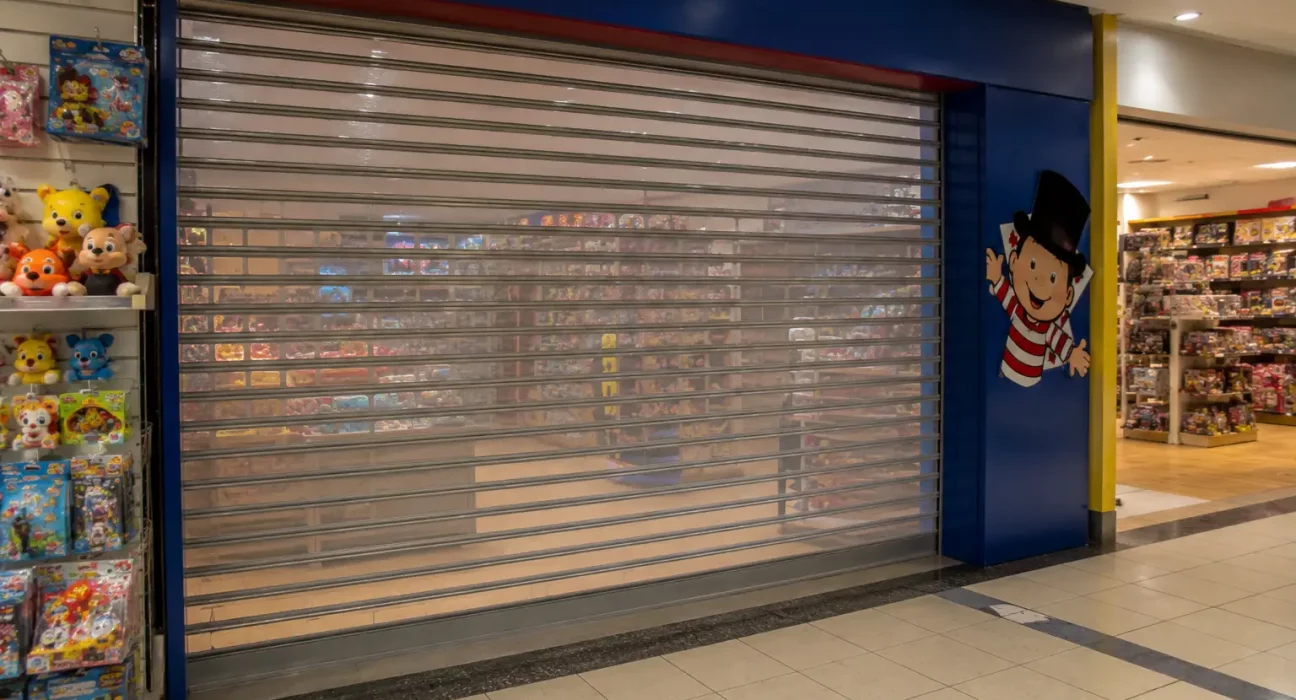
Quick Snapshot: UK Toy Chain Entertainer Store Closure
The Entertainer is not simply disappearing from the UK high street. Recent store closures appear to be part of a wider shift towards selected flagship stores, Tesco concessions, online retail, and more flexible shopping options for families.
Main Reason
Closures are mainly linked to lease costs, rent pressure, footfall changes, and store-by-store profitability.
Shopper Impact
Customers may lose some local branches, but products can still be available online or through Tesco toy concessions.
Business Meaning
The company appears to be reshaping its retail model rather than facing a full-scale collapse.
Key Takeaways
- Some Entertainer stores have closed, but this does not mean the entire chain is shutting down.
- London stores face higher cost pressure because of rents, business rates, and changing footfall.
- Tesco concessions are changing the strategy by giving shoppers easier access to toys during grocery trips.
- Store closures may reflect restructuring, not necessarily financial failure.
| Issue | What It Means | Impact on Shoppers |
|---|---|---|
| Store closures | Some locations may close when leases become too expensive. | Local shoppers may need to use another branch, Tesco concession, or online store. |
| Tesco partnership | The Entertainer is expanding through supermarket toy sections. | Toys may become easier to buy during regular grocery shopping. |
| London retail pressure | High rents and changing footfall can affect store decisions. | Some branches may be more vulnerable than premium destination stores. |
The UK’s retail landscape continues to evolve at a rapid pace, and few sectors illustrate that transformation better than toy retail. Recent headlines about Entertainer store closures have sparked concern among shoppers, parents, employees, and local communities across the country. For many London residents, an important question has emerged: could their local Entertainer store be next?
The answer is more complex than the headlines suggest.
While several Entertainer locations have closed in recent years, the evidence does not point to a company in collapse. Instead, The Entertainer appears to be undergoing a significant strategic transformation, shifting from a traditional high-street retail model towards a broader network that includes supermarket concessions, digital channels, and destination flagship stores.
Understanding what is really happening requires looking beyond individual store closures and examining the wider forces reshaping the UK retail industry.
Is The Entertainer Really Closing Stores Across the UK?
Yes, some Entertainer stores have closed, but this does not mean the retailer is disappearing from Britain’s shopping landscape.
Like many retailers, The Entertainer regularly reviews the performance of its property portfolio. Locations facing lease expirations, significant rent increases, or declining footfall may be considered for closure if they no longer meet commercial objectives.
Recent closures in locations including Croydon, Southside Wandsworth, Romford, Luton, Dundee, Sheffield, and Wrexham have generated attention. However, these closures represent a relatively small portion of the retailer’s overall network.
What makes the current situation different is that closures are occurring alongside expansion. While some standalone stores have disappeared, the company has dramatically increased its presence through supermarket partnerships and alternative retail channels.
This distinction is important because store closures alone do not necessarily indicate financial distress. In many cases, they reflect a strategic decision to allocate resources more efficiently.
Why Are Some London Entertainer Stores More Vulnerable Than Others?
Not all retail locations face the same economic pressures.
London remains one of the most attractive retail markets in Europe, but it is also one of the most expensive. Retailers operating in the capital must balance high rents, business rates, staffing costs, and changing consumer habits.
The Impact of Rising Commercial Costs
For many retailers, property costs have become one of the largest operational challenges.
A store may perform reasonably well from a sales perspective but still become commercially unattractive if lease renewal terms increase significantly. In some cases, landlords seek substantial rent increases that make long-term occupation uneconomic.
This appears to be one factor behind certain Entertainer closures. Rather than accepting significantly higher costs, the company has shown a willingness to exit locations where profitability may be compromised.
The Role of Shopping Centre Performance
Consumer behaviour has changed considerably over the past decade.
Many shoppers now combine purchases into fewer trips, increasingly favouring retail destinations that offer convenience, entertainment, dining, and multiple shopping options under one roof.
As a result, major destinations such as Westfield London, Westfield Stratford City, and The O2 continue to attract substantial visitor numbers. Secondary shopping centres and traditional high streets often face greater challenges.
This helps explain why some flagship locations remain strategically important while other sites may become vulnerable when leases come up for renewal.
Is The Entertainer in Financial Trouble?
One of the most common misconceptions surrounding recent closures is that The Entertainer is facing a financial crisis.
Available evidence suggests a different story.
The company has continued to invest heavily in its future through technology upgrades, logistics infrastructure, supply chain improvements, and expansion partnerships. While financial results have reflected some of these investments, they should not automatically be interpreted as signs of business failure.
A significant development has been the transition to an Employee Ownership Trust model. Under this structure, ownership is held on behalf of employees rather than external investors.
This model can provide several advantages:
- Long-term strategic planning
- Reduced pressure from external shareholders
- Greater employee engagement
- Increased operational stability
The company’s leadership has also continued to pursue growth initiatives rather than implementing widespread retrenchment measures typically associated with distressed retailers.
How Has Tesco Changed The Entertainer’s Business Strategy?

Perhaps the most important development in The Entertainer’s recent evolution is its growing partnership with Tesco.
Traditionally, toy retailers relied heavily on standalone stores to reach customers. Today, consumer shopping patterns have changed dramatically.
Many parents now purchase toys while completing routine grocery shopping rather than making dedicated visits to specialist toy shops.
Recognising this shift, The Entertainer has expanded its presence within Tesco stores across the UK.
Instead of relying solely on high-street locations, the company now benefits from exposure to millions of weekly supermarket shoppers.
This approach delivers several advantages:
The result is a retail model that combines specialist toy expertise with the convenience of supermarket shopping.
For consumers, this means that even if a standalone Entertainer branch closes, access to many products may still remain available through nearby Tesco locations.
Are Families Changing the Way They Buy Toys?
Consumer behaviour is one of the most important factors shaping the future of toy retail.
The traditional model of visiting a dedicated toy shop remains relevant, particularly during major seasonal events such as Christmas. However, purchasing habits have diversified significantly.
Many parents now research products online, compare prices across multiple retailers, and expect flexible delivery options.
At the same time, convenience shopping continues to grow.
Rather than planning a separate trip to buy a toy, consumers often make purchases while already shopping for groceries or household essentials.
Another emerging trend is the growth of the so-called “kidult” market. Adult collectors increasingly purchase toys, collectibles, licensed merchandise, and nostalgia-driven products for personal enjoyment rather than for children.
This trend has expanded the potential customer base for toy retailers and encouraged businesses to diversify their product ranges.
The Entertainer’s evolving strategy appears designed to capture both convenience shoppers and destination shoppers, creating multiple pathways for future growth.
Why Fewer Stores Does Not Always Mean Business Decline?
Store closures often generate negative headlines because they are highly visible.
However, modern retail success is not necessarily measured by the number of physical locations a company operates.
Many successful retailers have reduced their physical footprints while simultaneously increasing revenue, profitability, and customer reach.
Several factors explain this shift:
- Growth of online shopping
- Expansion of click-and-collect services
- Partnership-based retail models
- Improved logistics networks
- Rising property costs
- Greater emphasis on destination retail
The Entertainer’s approach mirrors broader trends visible across the retail sector.
Rather than maintaining every historical location, the company appears focused on retaining strategically important flagship stores while expanding through alternative channels.
This strategy reduces exposure to expensive leases and provides greater operational flexibility.
For business observers, this may represent adaptation rather than contraction.
What Could Happen Next for The Entertainer in London?
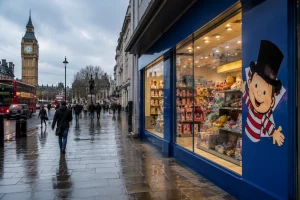
Predicting future store decisions is difficult because each location operates under different commercial circumstances.
However, several factors are likely to influence future outcomes:
- Lease renewal negotiations
- Local footfall trends
- Shopping centre performance
- Consumer demand
- Operating costs
- Success of Tesco partnerships
Stores located in premium retail destinations with strong visitor numbers are likely to remain strategically important.
Locations facing declining footfall, increasing costs, or overlapping customer coverage from nearby concessions may face greater scrutiny during future reviews.
Importantly, there is currently no clear evidence suggesting a large-scale withdrawal from London.
The capital remains one of the UK’s most significant retail markets and continues to offer substantial opportunities for both physical and concession-based retail operations.
Key Takeaways for London Shoppers and Businesses
The Entertainer’s recent store closures have understandably attracted attention, but the broader picture is far more nuanced than many headlines imply.
Confirmed closures should be viewed within the context of a wider transformation occurring across the retail sector.
The company appears to be pursuing a strategy that balances:
- Selective property rationalisation
- Supermarket partnerships
- Digital expansion
- Destination retail experiences
- Operational efficiency
For London consumers, this means that the disappearance of a local branch does not necessarily indicate a reduction in product availability.
Instead, it may reflect a changing retail model designed to meet evolving consumer expectations.
Conclusion
“The impact of recent Entertainer store closures cannot be reduced to a simple narrative of retail decline.”
Some locations may continue to face pressure from rising rents, changing shopping habits, and lease-related challenges. However, the available evidence suggests that The Entertainer is not simply shrinking. Rather, it is reshaping its business to operate more effectively in a rapidly changing retail environment.
The growth of Tesco concessions, continued investment in infrastructure, evolving consumer behaviour, and the company’s focus on operational flexibility all point towards a retailer adapting to new market realities rather than retreating from them.
For London shoppers, the future of The Entertainer may involve fewer traditional high-street stores, but that does not necessarily mean fewer opportunities to access the brand’s products and services.
FAQs
Is The Entertainer going out of business?
No. Current evidence indicates that The Entertainer continues to operate extensively across the UK while investing in new partnerships, infrastructure, and retail formats.
Why are some Entertainer stores closing?
Most closures appear linked to commercial factors such as lease expirations, rent increases, and changing local retail conditions.
Are London stores at greater risk than other UK locations?
Some London locations face higher operating costs, but the city remains a strategically important retail market for the company.
What role does Tesco play in The Entertainer’s strategy?
Tesco provides access to a large customer base through in-store toy concessions, helping the company expand its reach beyond standalone stores.
Can customers still buy Entertainer products if a local branch closes?
In many cases, products remain available online or through Tesco concession locations.
Why are toy shopping habits changing?
Consumers increasingly prioritise convenience, online research, flexible delivery options, and one-stop shopping experiences.
Does a store closure mean the company is struggling?
Not necessarily. Many retailers close individual locations as part of broader efficiency and growth strategies.
What should London shoppers watch for in the future?
Key indicators include lease renewals, changes in shopping centre performance, expansion of concession partnerships, and wider retail market trends.
Leave feedback about this